Emperor Joseph II (1780-90), before his accession,…
1780 CE to 1791 CE
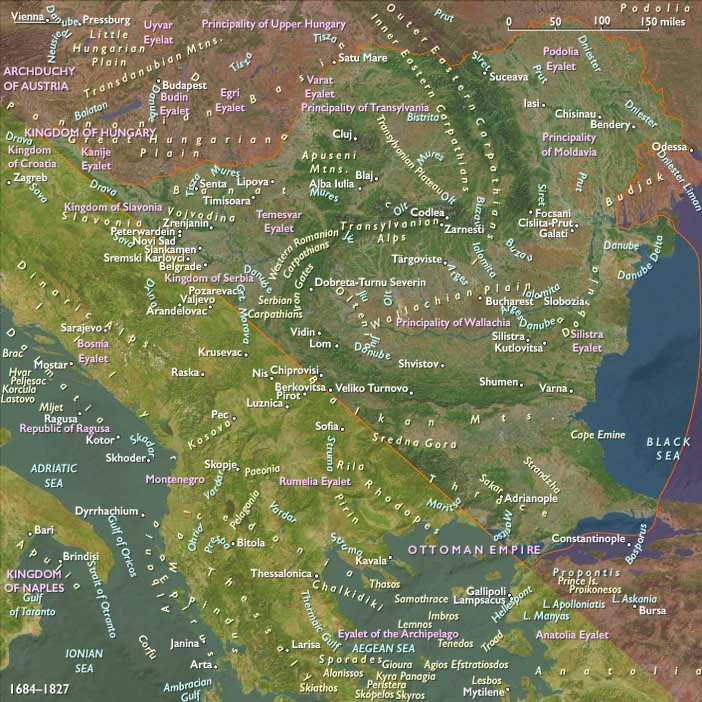
Emperor Joseph II (1780-90), before his accession, witnesses the serfs' wretched existence during three tours of Transylvania.
As emperor he launches an energetic reform program.
Steeped in the teachings of the French Enlightenment, he practices "enlightened despotism," or reform from above designed to preempt revolution from below.
He brings the empire under strict central control, launches an education program, and institutes religious tolerance, including full civil rights for Orthodox Christians.
In 1784 Transylvanian serfs under Vasile Ursu Nicola Horea, convinced they have the emperor's support, rebel against their feudal masters, sack castles and manor houses, and murder about one hundred nobles.
Joseph orders the revolt repressed but grants amnesty to all participants except Horea and two other leaders, whom the nobles torture and put to death before peasants brought to witness the execution.
Joseph, aiming to strike at the rebellion's root causes, emancipates the serfs, annuls Transylvania's constitution, dissolves the Union of Three Nations, and decrees German the official language of the empire.
Hungary's nobles and Catholic clergy resist Joseph's reforms, and the peasants soon grow dissatisfied with taxes, conscription, and forced requisition of military supplies.
Faced with broad discontent, Joseph rescinds many of his initiatives toward the end of his life.
Locations
Groups
Commodities
Subjects
Regions
Southeast Europe
View →Subregions