The Manchu-led Qing dynasty had consolidated its…
1841 CE
From then until late into the nineteenth century, the Qing rule of the region is unchallenged.
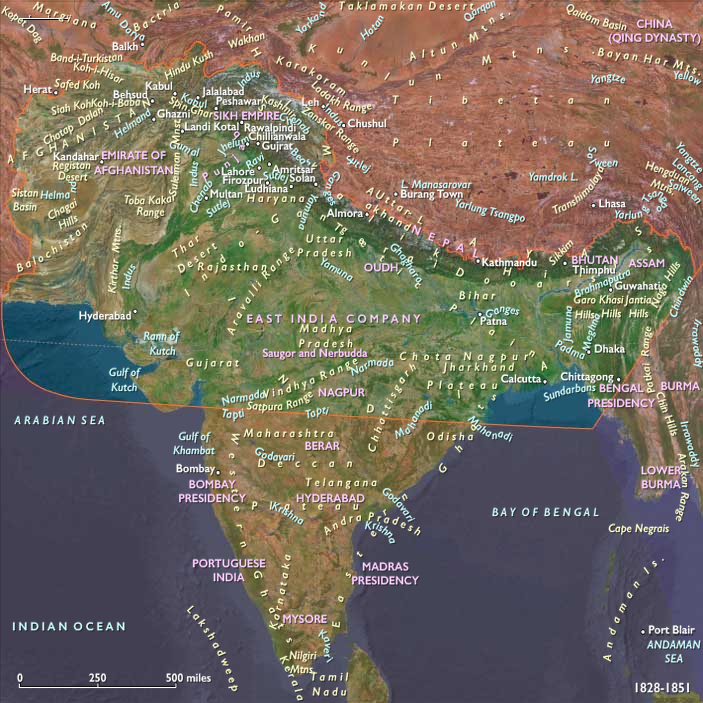
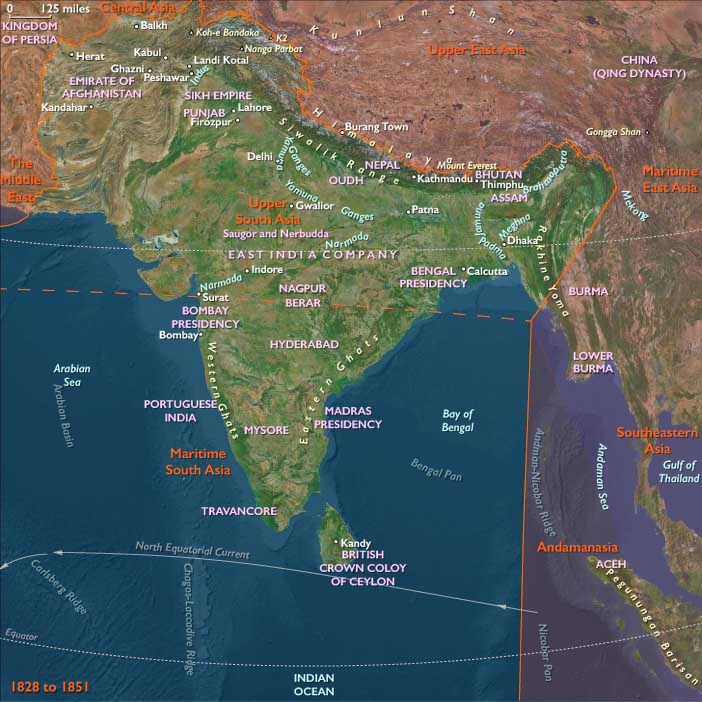
South of the Himalayas, Ranjit Singh had established his empire in the Punjab region in 1799.
In 1808, Ranjit Singh had conquered Jammu, which was under control of the Hindu Rajput Dogra dynasty from Dougar Desh in Jammu and incorporated them into his empire as vassals.
Historians continue to debate the reasons for the invasion; some say control of Tibet would have given Gulab Singh a monopoly on the lucrative pashmina wool trade of Tibet, others believe that he aimed to establish a land bridge between Ladakh and Nepal to create a Sikh-Gorkha alliance against the British.
Locations
People
Groups
Chinese (Han) people
View →
Tibetan people
View →
Sikhs
View →
Chinese Empire, Qing (Manchu) Dynasty
View →
East India Company, British (United Company of Merchants of England Trading to the East Indies)
View →
Tibet under Qing rule
View →
India, East India Company rule in
View →
Sikh Empire
View →
Britain (United Kingdom of Great Britain and Ireland)
View →
Punjab, Sikh Kingdom of the
View →
Regions
South Asia
View →Subregions