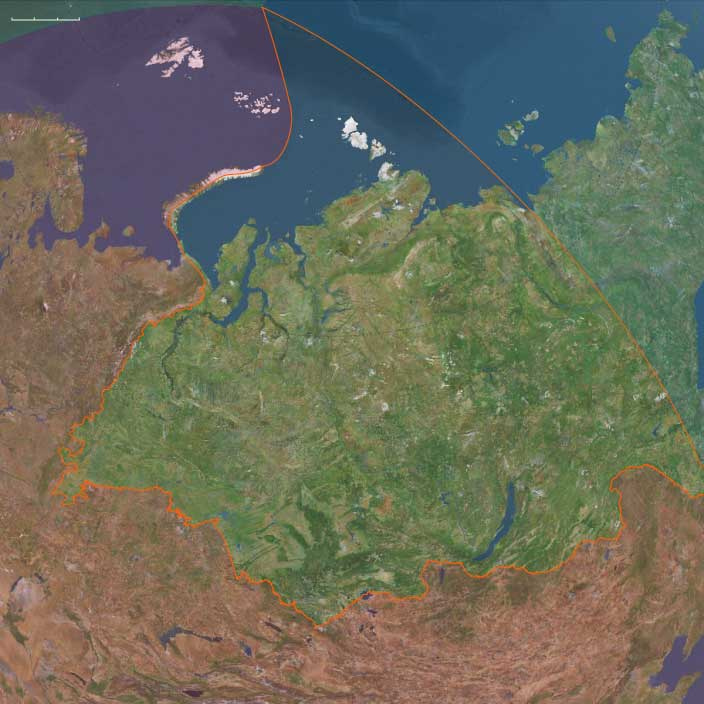
Northwest Asia (2,637 – 910 BCE): Bronze…
2637 BCE to 910 BCE
Northwest Asia (2,637 – 910 BCE): Bronze Age and Early Iron — Andronovo, Karasuk, and Early Nomads
Geographic and Environmental Context
Northwest Asia includes the lands from the Ural Mountains east to ~130°E, encompassing Western and Central Siberia.
-
Anchors: Altai–Minusinsk Basin, Middle Yenisei, Ob steppes, Ural forelands.
Climate & Environmental Shifts
-
Cooling trend, steppe desiccation in places; taiga remained rich in rivers/fisheries.
Subsistence & Settlement
-
Andronovo culture herders (2000–900 BCE): pastoral nomadism with wheeled vehicles, chariots, and dairying.
-
Karasuk culture (1500–800 BCE): metallurgy and horse pastoralism in Minusinsk Basin.
-
Taiga foragers maintained hunting–fishing traditions.
Technology & Material Culture
-
Bronze sickles, daggers, ornaments; iron appears late.
-
Petroglyphs show chariots, riders, solar symbols.
Movement & Interaction Corridors
-
Steppe corridor tied Ural–Altai to Central Asia and beyond.
-
Trade in bronze, horses, and woolens.
Cultural & Symbolic Expressions
-
Burial kurgans with horse gear, bronze weapons.
-
Rock art integrated solar/celestial motifs.
Environmental Adaptation & Resilience
-
Pastoral nomadism flexible across steppe–taiga ecotones; forager–herder exchange maintained resilience.
Images
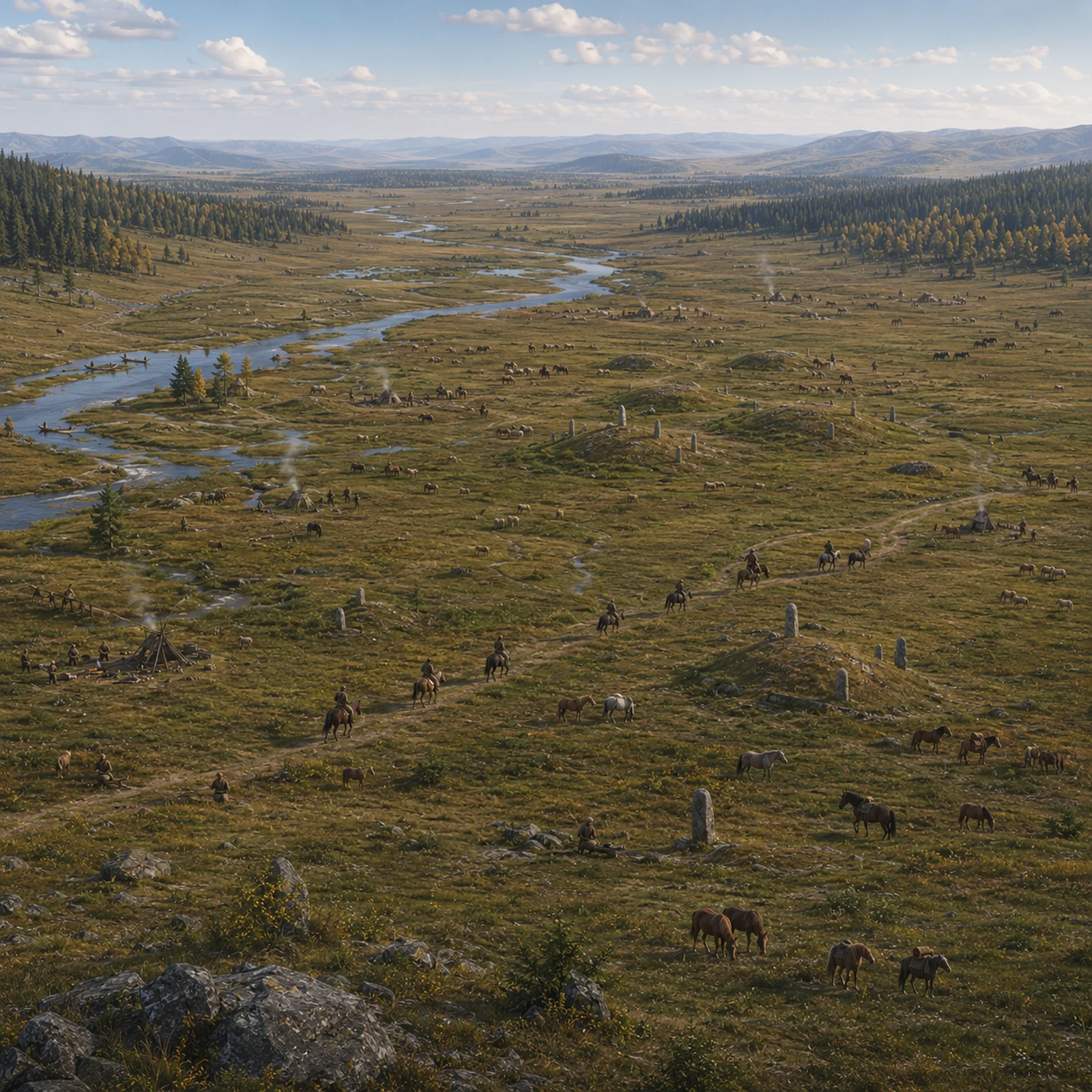
Northwest Asia in Early Antiquiity
Groups
Commodities
Subjects
Regions
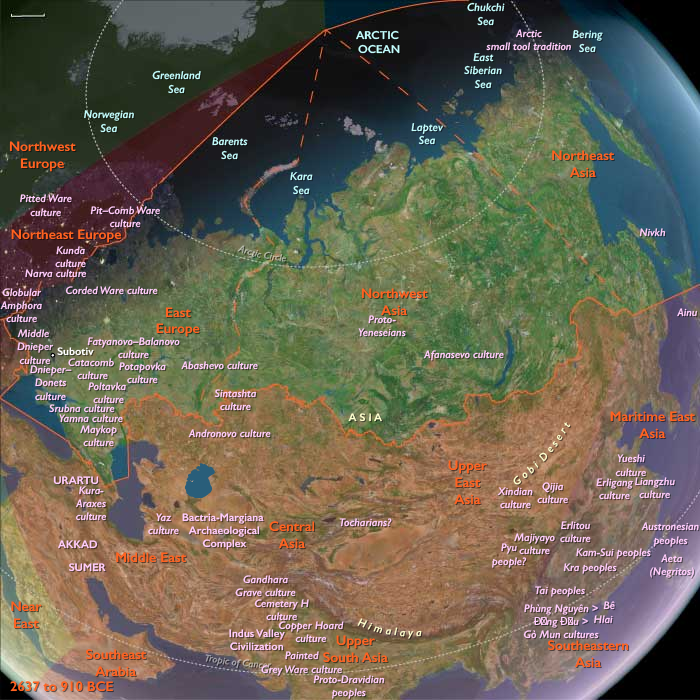
Northeastern Eurasia
View →Subregions