Dirk Bouts and The Entombment (c. 1456–1459)…
1460 CE
Dirk Bouts and The Entombment (c. 1456–1459)
Around 1456–1459, Flemish painter Dirk Bouts completed one of his influential early masterpieces, The Entombment. This painting, often previously identified as The Lamentation or The Entombment of Christ, demonstrates Bouts's meticulous attention to emotional depth and striking realism, characteristic of the Northern Renaissance artistic tradition in Atlantic West Europe. Notably, this work has occasionally been confused or conflated with another painting attributed to him, commonly but inaccurately known as The Pirna Altarpiece or the "Lamentation Triptych."
Artistic and Cultural Context
Bouts's painting emphasizes emotional intensity, realism, and the delicate use of color, representative of Northern European artistic innovations of the mid-fifteenth century. The work's stark yet poignant depiction of grief highlights a profound devotional spirituality characteristic of Bouts and his contemporaries, marking a shift from stylized medieval iconography to more personal, humanized religious expression.
Economic and Social Significance
Commissioned for affluent patrons in the Low Countries, paintings such as The Entombment reflect a growing market among wealthy merchants and nobility who sought works with both devotional and aesthetic value. The increasing prosperity of cities like Leuven, where Bouts maintained his workshop, fueled demand for sophisticated religious artworks, aligning with broader economic trends within Atlantic West Europe.
Long-Term Impact
This painting established Bouts’s reputation as a master of devotional art, influencing subsequent generations of Northern Renaissance artists. His unique synthesis of realism and emotional expression would shape Flemish painting traditions well into the following decades, positioning him among key figures—such as Rogier van der Weyden and Hans Memling—influencing Northern Renaissance art.
Bouts's meticulous technique and emotional nuance continued to influence artistic trends across Europe for generations, firmly situating him among the pivotal Flemish painters of his era.
Images

Dieric Bouts: Lamentation. circa 1460; oil on oak panel; 69 cm (27.2 in) by 49 cm (19.3 in). Louvre Museum
Regions
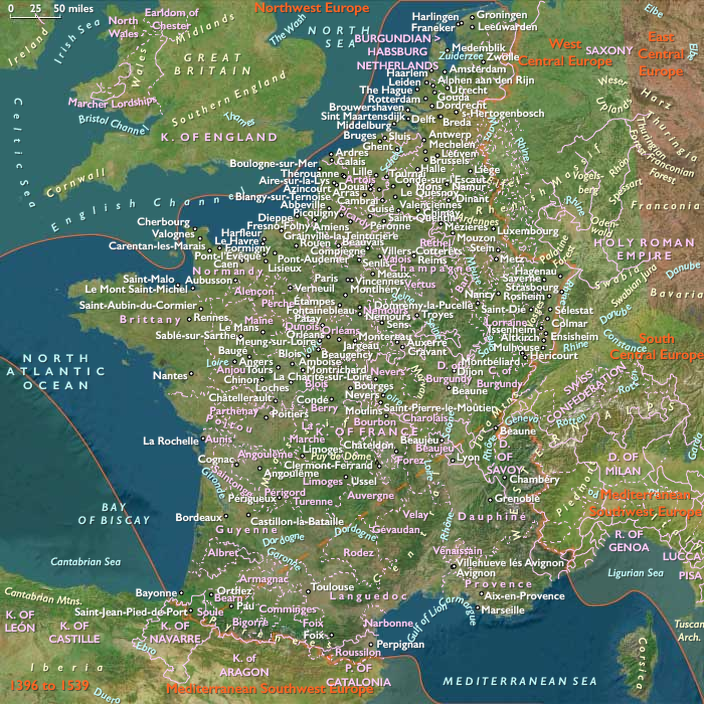
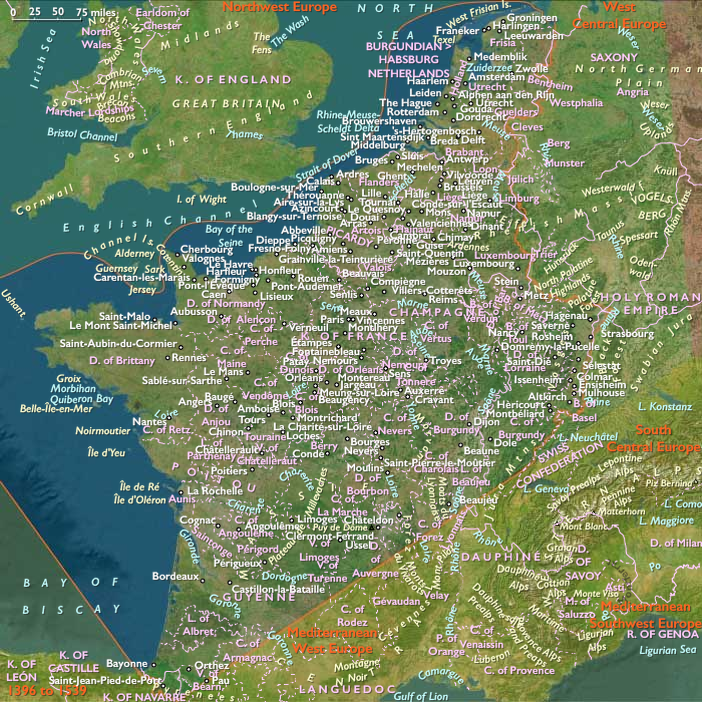
West Europe
View →Subregions