
Filters:
The growing prominence of Turks in military …
Years: 820 - 963
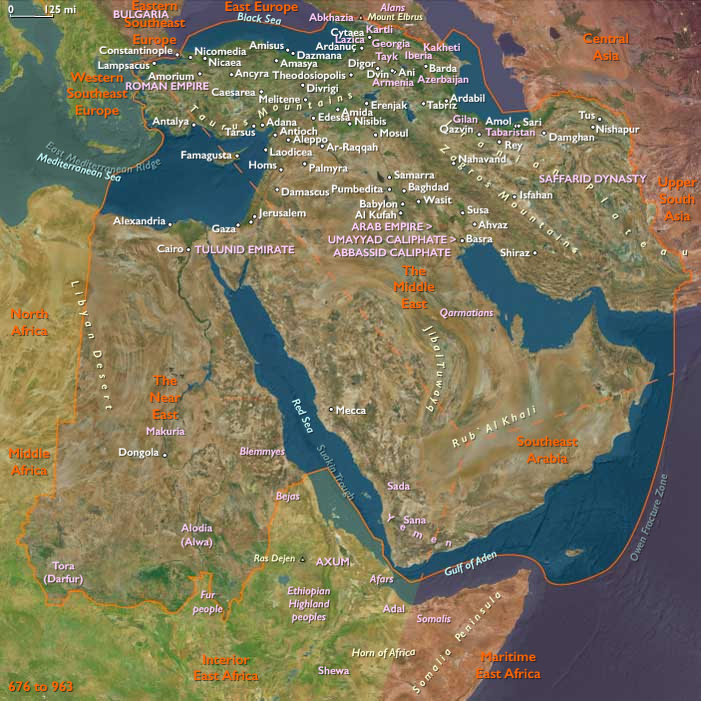
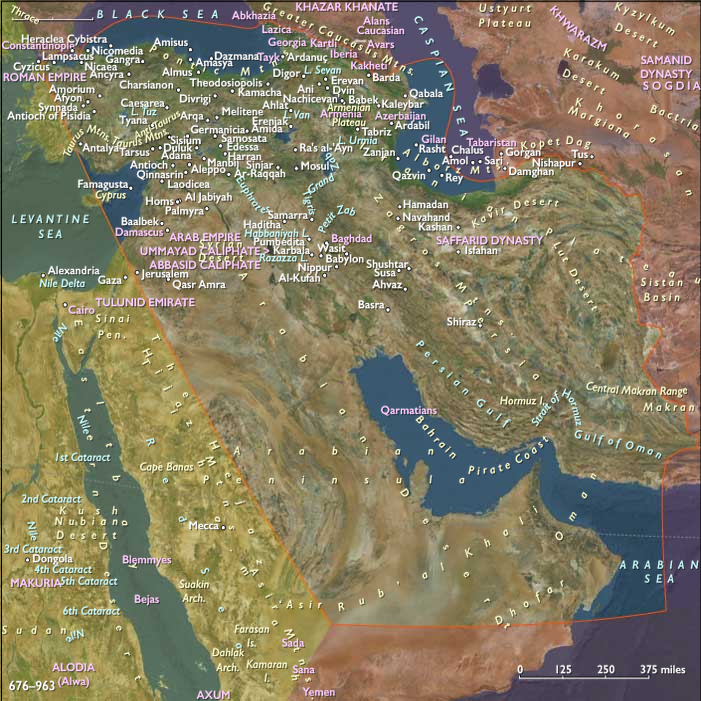
The growing prominence of Turks in military and in political affairs, in addition to the cleavages between Arabs and Iranians and between Sunnis and Shias, give cause for discontent and rivalry at court.
Nomadic, Turkic-speaking warriors have been moving out of Central Asia into Transoxiana (i.e., across the Oxus River) for more than a millennium.
The Abbasid caliphs had begun importing Turks as slave-warriors (Mamluks) early in the ninth century.
The imperial palace guards of the Abbasids were Mamluks who were originally commanded by free Iraqi officers.
By 833, however, Mamluks themselves are officers and gradually, because of their greater military proficiency and dedication, they begin to occupy high positions at court.
The mother of Caliph Mutasim (who comes to power in 833) had been a Turkish slave, and her influence is substantial.
The Turkish commanders, no longer checked by their Iranian and Arab rivals at court by the tenth century, are able to appoint and depose caliphs.
The political power of the caliphate is fully separate from its religious function for the first time.
The Mamluks continue to permit caliphs to come to power because of the importance of the office as a symbol for legitimizing claims to authority.
A military family known as the Buwayhids occupies Baghdad in 945 after subjugating western Iran.
Shias from the Iranian province of Daylam south of the Caspian Sea, the Buyids continue to permit Sunni Abbasid caliphs to ascend to the throne.
The humiliation of the caliphate at being manipulated by Shias, and by Iranian ones at that, is immense.
Nomadic, Turkic-speaking warriors have been moving out of Central Asia into Transoxiana (i.e., across the Oxus River) for more than a millennium.
The Abbasid caliphs had begun importing Turks as slave-warriors (Mamluks) early in the ninth century.
The imperial palace guards of the Abbasids were Mamluks who were originally commanded by free Iraqi officers.
By 833, however, Mamluks themselves are officers and gradually, because of their greater military proficiency and dedication, they begin to occupy high positions at court.
The mother of Caliph Mutasim (who comes to power in 833) had been a Turkish slave, and her influence is substantial.
The Turkish commanders, no longer checked by their Iranian and Arab rivals at court by the tenth century, are able to appoint and depose caliphs.
The political power of the caliphate is fully separate from its religious function for the first time.
The Mamluks continue to permit caliphs to come to power because of the importance of the office as a symbol for legitimizing claims to authority.
A military family known as the Buwayhids occupies Baghdad in 945 after subjugating western Iran.
Shias from the Iranian province of Daylam south of the Caspian Sea, the Buyids continue to permit Sunni Abbasid caliphs to ascend to the throne.
The humiliation of the caliphate at being manipulated by Shias, and by Iranian ones at that, is immense.
Locations
People
Groups
- Iranian peoples
- Arab people
- Khorasan, Greater
- Daylamites
- Oghuz Turks
- Egypt in the Middle Ages
- Muslims, Sunni
- Muslims, Shi'a
- Turkmen, Iraqi
- Córdoba, Umayyad Emirate of
- Abbasid Caliphate (Baghdad)
- Idrisid dynasty (independent)
- Ifriqiya, Aghlabid Emirate of
- Samanid dynasty
- Tahirid dynasty
- Saffarid dynasty
- Tulunids
- Ifriqiya, Fatimid Caliphate of
- Idrisid Caliphate (Fatimid dynasty overlordship)
- Córdoba, (Umayyad) Caliphate of
- Buyid dynasty
- Ikhshidid dynasty
- Ifriqiya, Fatimid Caliphate of
Topics
Commodoties
Subjects
Regions
Subregions
Years: 820 - 963
Locations
People
Groups
- Iranian peoples
- Arab people
- Khorasan, Greater
- Daylamites
- Oghuz Turks
- Egypt in the Middle Ages
- Muslims, Sunni
- Muslims, Shi'a
- Turkmen, Iraqi
- Córdoba, Umayyad Emirate of
- Abbasid Caliphate (Baghdad)
- Idrisid dynasty (independent)
- Ifriqiya, Aghlabid Emirate of
- Samanid dynasty
- Tahirid dynasty
- Saffarid dynasty
- Tulunids
- Ifriqiya, Fatimid Caliphate of
- Idrisid Caliphate (Fatimid dynasty overlordship)
- Córdoba, (Umayyad) Caliphate of
- Buyid dynasty
- Ikhshidid dynasty
- Ifriqiya, Fatimid Caliphate of
Topics
Commodoties
Subjects
Regions
Subregions