The tension is heightened after the Irish…
March 1642 CE
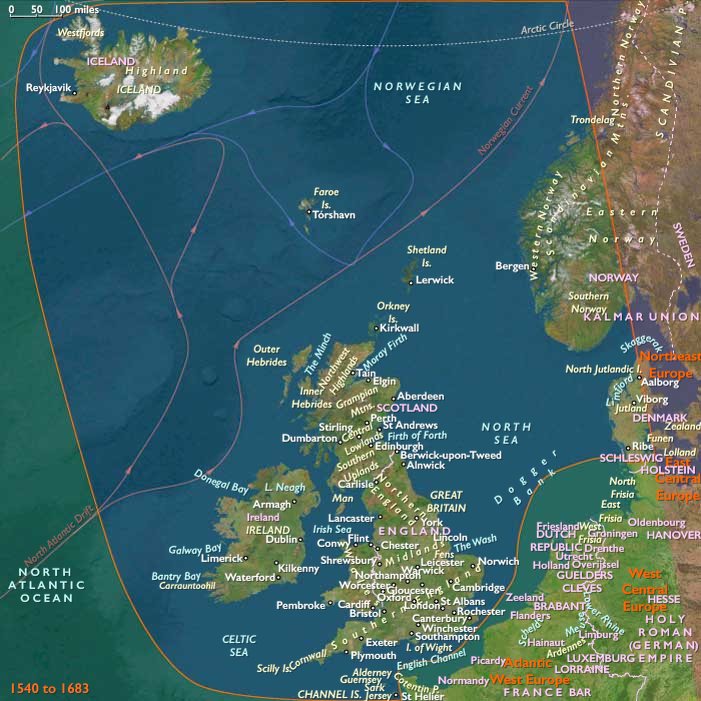
The tension is heightened after the Irish rebel against Protestant English rule and rumors of Charles's complicity reach Parliament.
The support of the 'Papist Army' established by Strafford for the king, whose religious convictions are already doubted by the English Parliament, coupled with the massacres of Protestant New English in Ireland by Gaelic Irish who cannot be controlled by their lords, proves to be the final antinomy between the English Parliament and the king in relation to Charles' authority to govern.
The English Parliament does not trust Charles' motivations when he calls for funds to put down the Irish rebellion, many members of the House of Commons fearing that forces raised by Charles might later be used against Parliament itself.
The Adventurers' Act, an Act of the Parliament of England, with the long title "An Act for the speedy and effectual reducing of the rebels in His Majesty's Kingdom of Ireland", is passed by the Long Parliament on March 19, 1642 as a way of raising funds to suppress the Irish Rebellion.
The Act invites members of the public to invest £200 for which they will receive one thousand acres (four square kilometers) of lands that will be confiscated from rebels in Ireland.
Two million five hundred thousand acres (ten thousand square kilometers) of Irish land are set aside by the English Government for this purpose.
Ireland's size is about twenty million acres.
The Militia Bill is intended to wrest control of the army from the King, but Charles refuses to agree to it.
Tthe Militia Ordinance of March 1642, however, appears to be the single most decisive moment in prompting an exodus from the Upper House to support the king.
This is the first time that Parliament has ever put a law into effect without royal assent.
Such an unprecedented assertion of Parliamentary sovereignty makes war far more likely.
Groups
Topics
Commodities
Subjects
Regions
North Europe
View →Subregions