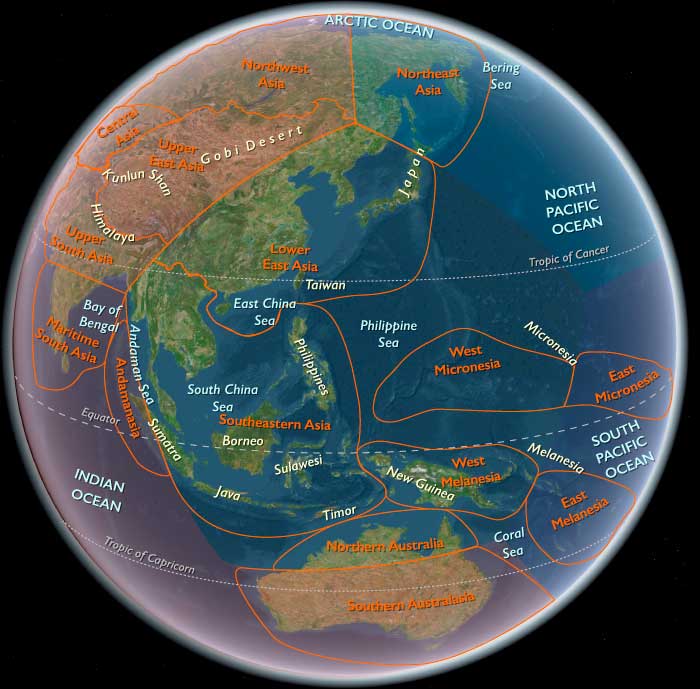
Event
A struggle arises in Japan in the…
A struggle arises in Japan in the face of political limitations that the shogun imposes on the entrepreneurial class.
The government ideal of an agrarian society fails to square with the reality of commercial distribution.
A huge government bureaucracy has evolved, which now stagnates because of its discrepancy with a new and evolving social order.
Compounding the situation, the population increases significantly during the first half of the Tokugawa period.
Although the magnitude and growth rates are uncertain, there are at least twenty-six million commoners and about four million members of samurai families and their attendants when the first nationwide census is taken in 1721.
Drought, followed by crop shortages and starvation, results in twenty great famines between 1675 and 1837.
Peasant unrest grows, and by the late eighteenth century, mass protests over taxes and food shortages have become commonplace.
Newly landless families become tenant farmers while the displaced rural poor move into the cities.
As the fortunes of previously well-to-do families decline, others move in to accumulate land, and a new, wealthy farming class emerges.
Those people who benefit are able to diversify production and to hire laborers, while others are left discontented.
Many samurai fall on hard times and are forced into handicraft production and wage jobs for merchants.
-
{# Image navigates to the detail page; the magnifying-glass chip is the only Fancybox lightbox trigger (kept a separate sibling — anchors can't nest). #}
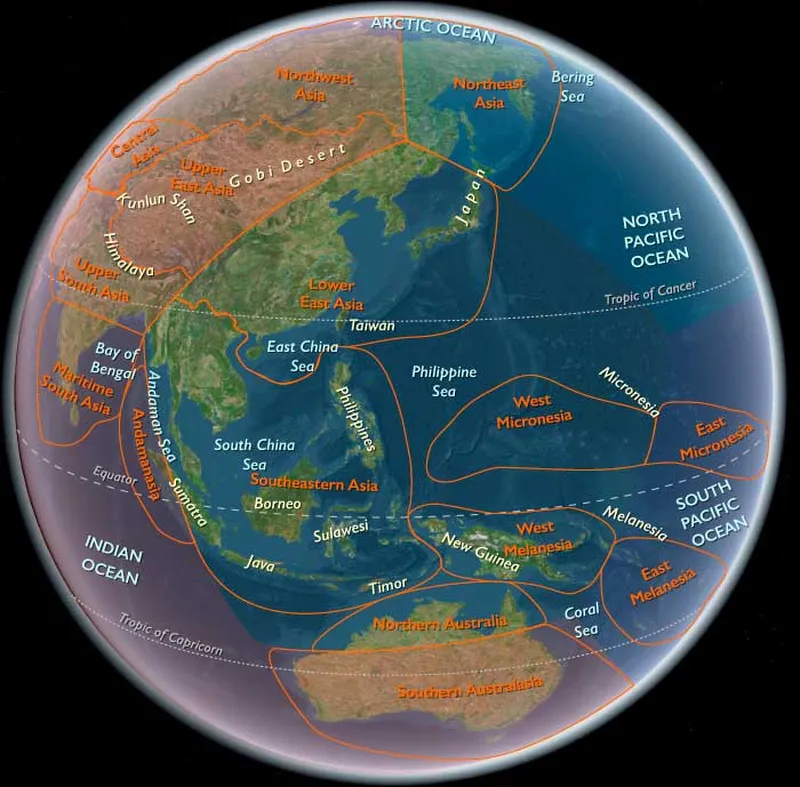 The Far East
World
-
{# Image navigates to the detail page; the magnifying-glass chip is the only Fancybox lightbox trigger (kept a separate sibling — anchors can't nest). #}
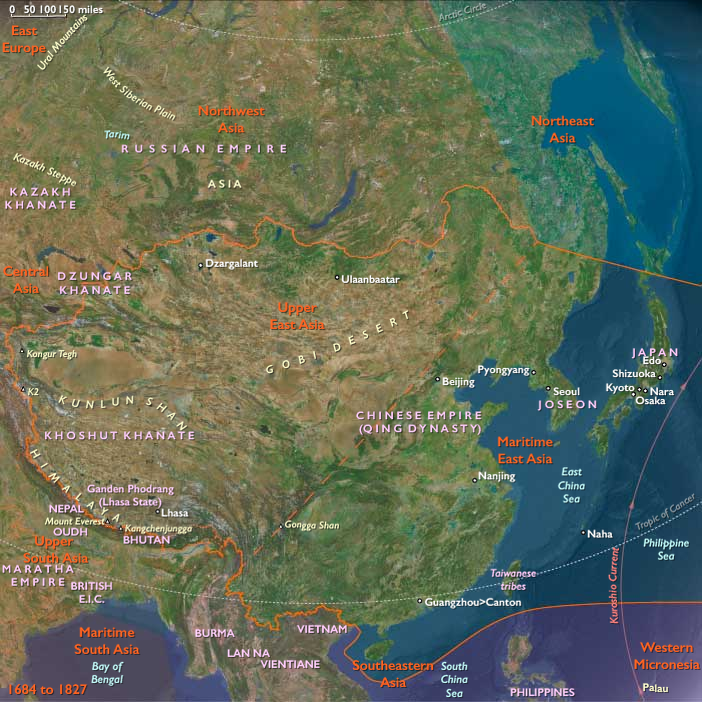 East Asia
Region
-
{# Image navigates to the detail page; the magnifying-glass chip is the only Fancybox lightbox trigger (kept a separate sibling — anchors can't nest). #}
 Maritime East Asia
Subregion