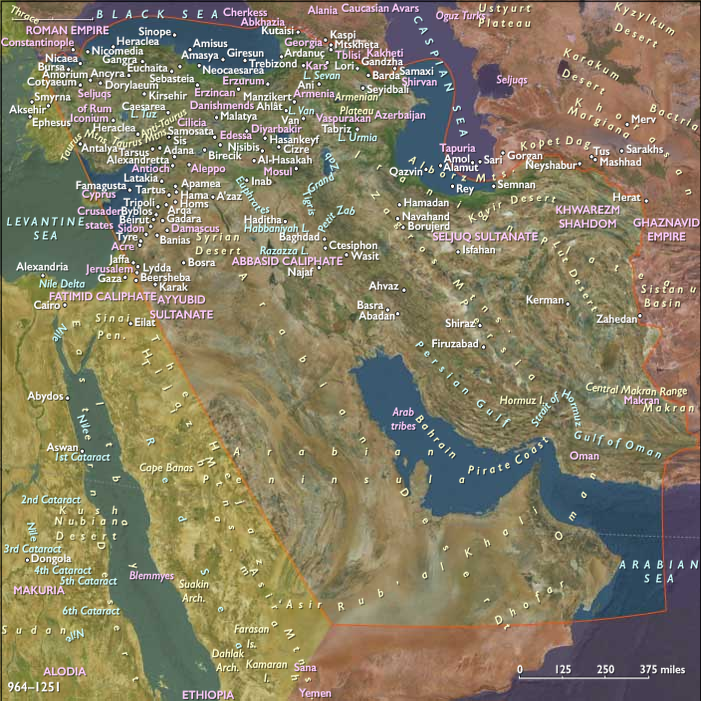
The Treaty of Devol, viewed as typical…
1108 CE
The Treaty of Devol, viewed as typical example of the Constantinopolitan tendency to settle disputes through diplomacy rather than warfare, is both a result of and a cause for the distrust between the Greeks and their Western European neighbors.
In accepting the Emperors’ terms, Bohemond suffers humiliation even though he retains control of Antioch.
Having used the crusade against Emperor Alexios Komnenos I to further his ambition for an empire that stretches from Apulia to Antioch, he has thereby cheapened the crusading idea.
Bohemond returns to Italy (where he will die in 1111 at the age of sixty).
Though Tancred of Hauteville, now the chief Latin magnate of northern Syria, disregards his uncle's oath, Antioch and its patriarchate will remain a source of controversy; for decades afterwards Antioch will remain independent of the Empire.
Antioch will come temporarily under Constantinople’s sway in 1137, but it will not be until 1158 that it will truly become an imperial vassal.
Locations
Groups
Topics
Commodities
Subjects
Regions
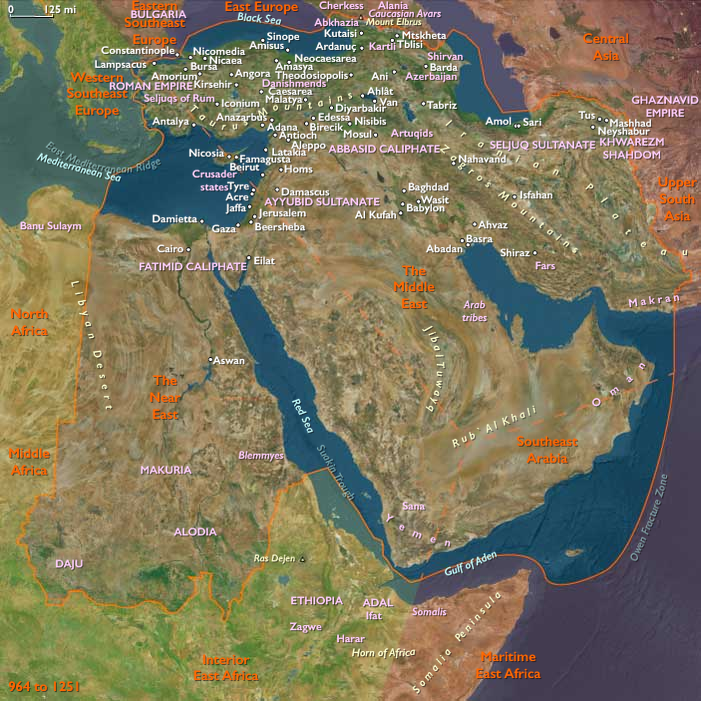
The Near and Middle East
View →Subregions