
Jeanne de Clisson’s Revenge and War Against …
Years: 1343 - 1343
December
Jeanne de Clisson’s Revenge and War Against the French Crown (1343–1345)
Following the execution of her husband, Olivier IV de Clisson, in August 1343, Jeanne de Clisson swore vengeance against King Philip VI of France and Charles of Blois, believing their actions constituted a cowardly and unjust murder. She took up arms against the French monarchy, launching a personal war of retribution, which would earn her the title of the “Lioness of Brittany.”
Jeanne’s Oath of Vengeance and Initial Campaign
- After Olivier IV’s execution, Jeanne took her two young sons, Olivier and Guillaume, to Nantes, where she showed them their father’s severed head, still displayed on a pike at the Sauvetout Gate.
- Determined to exact revenge, she:
- Sold off the de Clisson estates to raise funds.
- Gathered a force of loyal men from among her husband’s supporters.
- Began targeting French strongholds and military outposts in Brittany.
Key Attacks by Jeanne de Clisson
Jeanne’s forces struck against French garrisons and noble supporters of Charles of Blois, engaging in brutal raids and massacres:
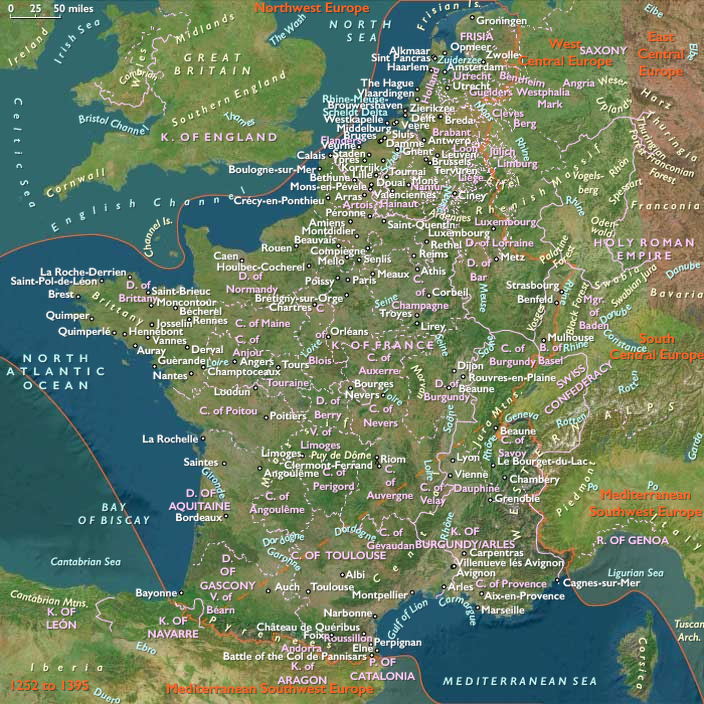
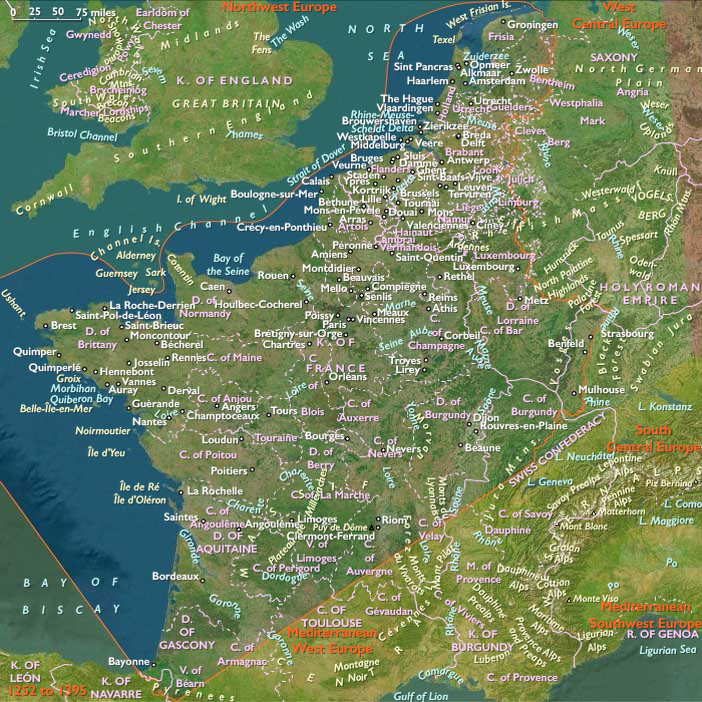
- Touffou Castle (near Bonnes) – One of the first fortifications she attacked.
- A castle occupied by Galois de la Heuse, a French officer serving Charles of Blois – Jeanne and her men massacred the entire garrison, sparing only one survivor as a warning.
- Château-Thébaud, located 20 km southeast of Nantes – This garrison, once controlled by her husband, was recaptured by Jeanne and her forces.
Her merciless tactics, especially the massacres of French soldiers, earned her a fearsome reputation and made her a legendary figure in Breton resistance against France.
Conviction and Confiscation of the de Clisson Estates (1343)
- In 1343, a French court convicted Jeanne de Clisson of treason, officially stripping her of all remaining lands and titles.
- This effectively made her an outlaw, but she continued her campaign against the French monarchy.
English Support and Funding
- English records from 1343 show that King Edward III granted Jeanne an income from lands controlled by the English in Brittany.
- This indicates that her anti-French activities aligned with English interests, making her a valuable ally in the ongoing conflict.
Legacy and Continued Resistance
- Jeanne’s revenge campaign did not end with land-based raids—she would soon turn to piracy, attacking French ships in the English Channel with a fleet of black-painted ships.
- Her relentless campaign against France ensured that she remained one of the most formidable figures in the Breton War of Succession.
The execution of Olivier IV de Clisson in 1343 had unintended consequences for the French monarchy, as it created one of the most determined and ruthless enemies of the Capetian cause in Brittany—a woman who would not rest until she had avenged her husband’s death.
Locations
People
- Charles of Blois Châtillon
- Edward III of England
- Jeanne de Clisson
- John IV, Duke of Brittany
- John of Montfort
- Olivier de Clisson
- Philip VI of France
- Pope Clement VI
Groups
Topics
- Avignon Papacy
- Hundred Years' War: Beginning of the War
- Hundred Years' War
- Breton Succession, War of the
Subjects
Regions
Subregions
Related Events
Showing 10 events out of 44425 total
Years: 1343 - 1343
December
Locations
People
- Charles of Blois Châtillon
- Edward III of England
- Jeanne de Clisson
- John IV, Duke of Brittany
- John of Montfort
- Olivier de Clisson
- Philip VI of France
- Pope Clement VI
Groups
Topics
- Avignon Papacy
- Hundred Years' War: Beginning of the War
- Hundred Years' War
- Breton Succession, War of the
Subjects
Regions
Subregions