Event
The Uralic-speaking peoples who were living in…
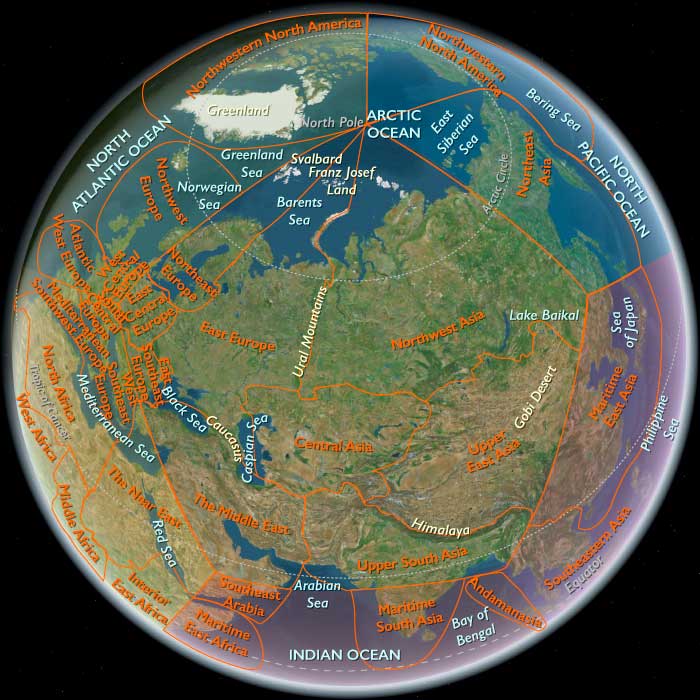
The Uralic-speaking peoples who were living in the central and southern regions of the Urals had split up during the fourth millennium BCE.
Some dispersed towards the west and northwest and encountered Iranian speakers who were spreading northwards.
The Ugrian speakers became distinguished from the rest of the Uralic community from at least 2000 BCE onward.
Judging by evidence from burial mounds and settlement sites, they interacted with the Andronovo culture.
Around the year 1000 BCE, the linguistic ancestors of the Hungarians move southwestwards from their preceding territories, the region west of the Ural Mountains, the eastern frontier of Europe; hence the Hungarian language separates from its closest relatives, the Ob-Ugric languages, a small group including the Mansi language and the Khanty language. (The latter two languages separated only later, their speakers influenced by an Asian—possibly Western-Siberian—tribe, as the Mansies and Khanties had moved northeast.)
The proto-Hungarians gradually changed their way of living from settled hunters to nomadic cattle-raising.
Their most important animals include sheep and cattle.
There are no written resources on the era, thus only a little is known about it.
-
{# Image navigates to the detail page; the magnifying-glass chip is the only Fancybox lightbox trigger (kept a separate sibling — anchors can't nest). #}
 The Great Crossroads
World
-
{# Image navigates to the detail page; the magnifying-glass chip is the only Fancybox lightbox trigger (kept a separate sibling — anchors can't nest). #}
 Northeastern Eurasia
Region
-
{# Image navigates to the detail page; the magnifying-glass chip is the only Fancybox lightbox trigger (kept a separate sibling — anchors can't nest). #}
 East Europe
Subregion