Event
The soft spot that Koreans have in…
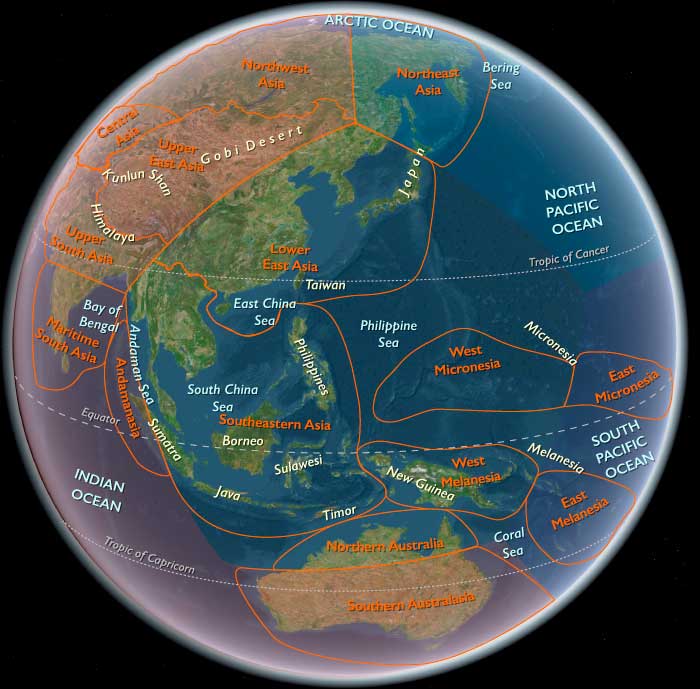
The soft spot that Koreans have in their hearts for China is not, however, the main characteristic of Korea's traditional diplomacy: that is isolationism, even what scholar Kim Key-hiuk has called exclusionism.
For three centuries after the Japanese invasions of the 1590s, Korea will isolate itself from Japan, deal harshly with errant Westerners washing up on its shores, and keep the Chinese at arm's length.
Thus Westerners call Korea the "hermit kingdom," the term expressing the pronounced streak of obstinate hostility toward foreign power and the deep desire for independence that mars traditional Korea.
Ethnocentric and obnoxious to foreigners, a self-contained, autonomous Korea not besmirched by things foreign will remain an ideal for many Koreans.
North Korea will exercise a "hermit kingdom" option by remaining one of the more isolated states in the world; it will really be South Korea that, since 1960, will be revoluionary in the Korean context by pursuing an open-door policy toward world markets and seeking a multilateral, varied diplomacy.
-
{# Image navigates to the detail page; the magnifying-glass chip is the only Fancybox lightbox trigger (kept a separate sibling — anchors can't nest). #}
 The Far East
World
-
{# Image navigates to the detail page; the magnifying-glass chip is the only Fancybox lightbox trigger (kept a separate sibling — anchors can't nest). #}
 East Asia
Region
-
{# Image navigates to the detail page; the magnifying-glass chip is the only Fancybox lightbox trigger (kept a separate sibling — anchors can't nest). #}
 Maritime East Asia
Subregion