Rome establishes the first permanent court in 149 BCE.
After Galba returns in this year to Rome, the tribune, Titus Scribonius Libo, brings a charge against him for the outrage he had committed on the Lusitanians; and Cato the Elder, now eighty-five years old, attacks him most unsparingly in the assembly of the people.
Galba, although a man of great oratorical power himself, has nothing to say in his own justification; but bribery, and the fact of his bringing his own children and the orphan child of a relative before the people, and imploring mercy, procure his acquittal.
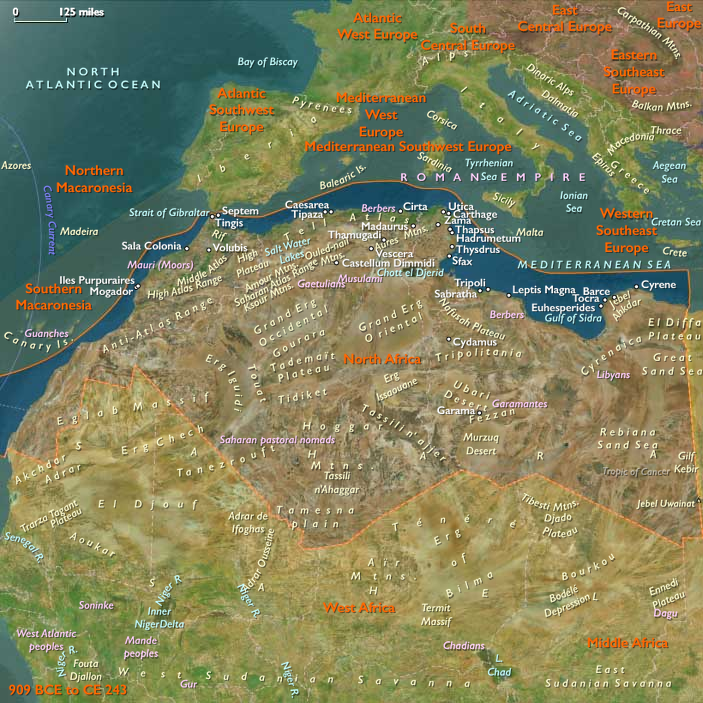
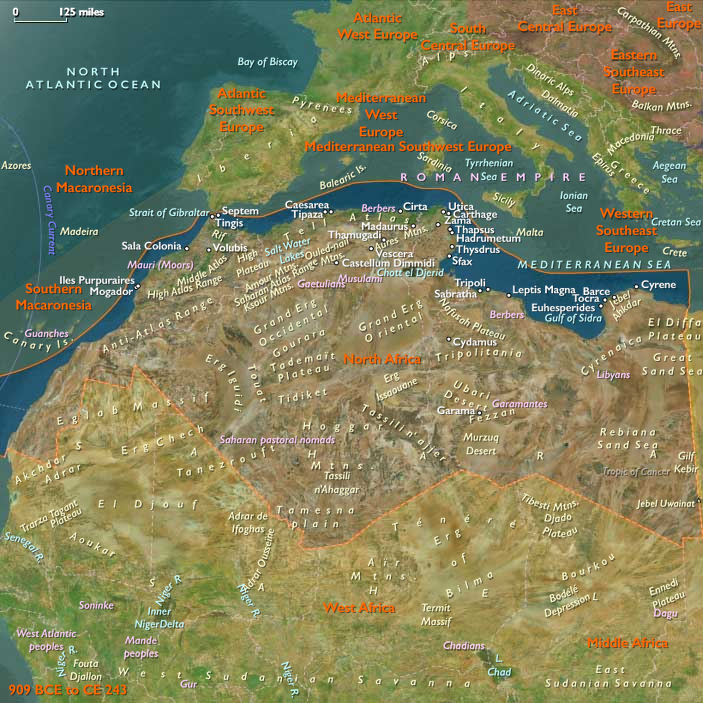
Meanwhile, Scipio Aemilianus sides with the conservatives, including the elderly Cato, in pressing for a third Punic War.
The older conservatives, scarred by their earlier experience, harbor fear and loathing of Carthage; younger Romans, such as Aemilianus, see another war as an avenue to glory.
Rome therefore declares war shortly before Cato’s death in 149 BCE.