
The Battle of the Douro – The …
Years: 1762 - 1762
May
The Battle of the Douro – The Spanish Defeat at the Hands of Portuguese Peasants (May 25, 1762)
As part of the Spanish invasion of Portugal during the Seven Years’ War, a Spanish force of 3,000 to 6,000 men, commanded by General Alejandro O'Reilly, marched out of Chaves in northern Portugal, advancing toward Oporto. Their objective was to capture the strategic port city, striking a direct blow at British commerce while further isolating Lisbon from potential reinforcements.
Alarm in Oporto and British Evacuation Plans
The British community in Oporto, which had long established strong economic ties with the region through the wine trade, panicked at the prospect of a Spanish occupation. Their warehouses were filled with provisions and 30,000 pipes of wine awaiting shipment. Recognizing the imminent threat, the British Admiralty began preparing evacuation measures for British citizens and commercial interests.
Meanwhile, the Portuguese governor of Oporto was ordered to abandon the city, but he refused, choosing to remain at his post as the Spaniards approached the River Douro.
The Battle at the Douro – O’Hara’s Unlikely Defense
On May 25, 1762, the Spanish forces attempted to cross the Douro River between Torre de Moncorvo and Vila Nova de Foz Côa. However, they unexpectedly met resistance from a makeshift Portuguese force led by Colonel O’Hara, consisting of:
- Hundreds of armed peasants
- Some units of the Ordenanças (Portugal’s irregular militia)
- Women and children from local villages, positioned in the hills along the southern bank
Despite their numerical superiority and professional training, the Spanish troops failed to dislodge the defenders. Repeated assaults were repelled, with heavy losses inflicted on the invading force.
Spanish Panic and Retreat
As the battle turned against them, panic spread through the Spanish ranks. The disorganized force began a hasty retreat, fleeing back toward Chaves, the very town from which they had set out. Their withdrawal was anything but orderly, as they were pursued relentlessly by the local peasantry, who harassed them all the way to their starting point.
Significance of the Battle
The failed Spanish advance on Oporto was a major embarrassment for the Bourbon forces, demonstrating the unexpected resilience of Portuguese resistance. Even a force of armed civilians, using their knowledge of the terrain, had been able to halt a professional army, delivering a humiliating defeat that shattered Spanish morale.
This battle reinforced the idea that Spain had vastly underestimated Portugal’s ability to defend itself, even in the absence of a well-equipped standing army. The Bourbon invasion, which had initially been seen as a swift conquest, was proving to be a costly and frustrating campaign.
In the months to come, the combined British-Portuguese forces, led by the Count of Lippe, would further turn the tide, culminating in Spain’s ultimate failure to subdue Portugal and its withdrawal by the end of the year.
Locations
People
- Charles III of Spain
- José I of Portugal
- Nicolás de Carvajal, Marquis of Sarria
- Sebastião José de Carvalho e Melo, 1st Marquis of Pombal
- William Pitt
- William, Count of Schaumburg-Lippe
Groups
- Austria, Archduchy of
- Saxony, Electorate of
- Portuguese Empire
- Río de la Plata, Governorate of the
- Brazil, Colonial
- France, (Bourbon) Kingdom of
- Portugal, Bragança Kingdom of
- Spain, Bourbon Kingdom of
- Prussia, Kingdom of
- Britain, Kingdom of Great
- Russian Empire
Topics
Subjects
Regions
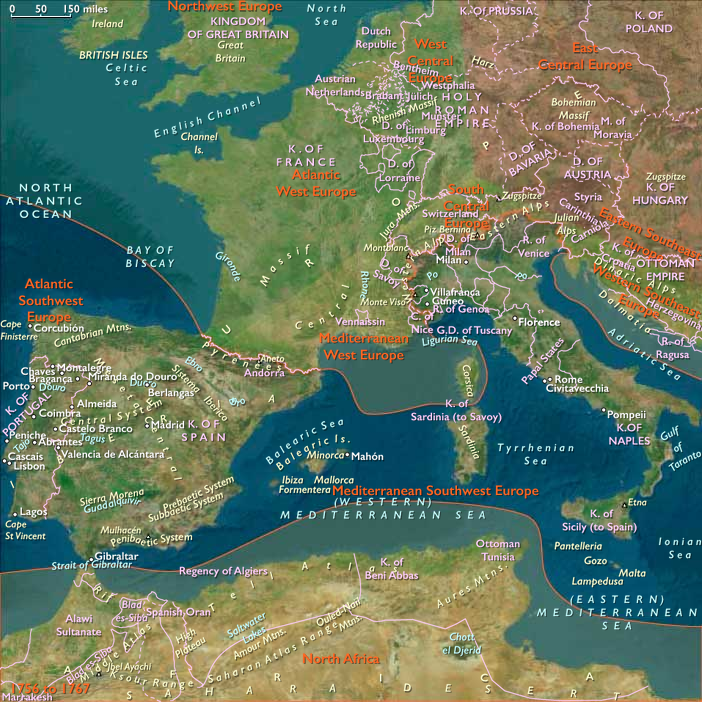
Subregions
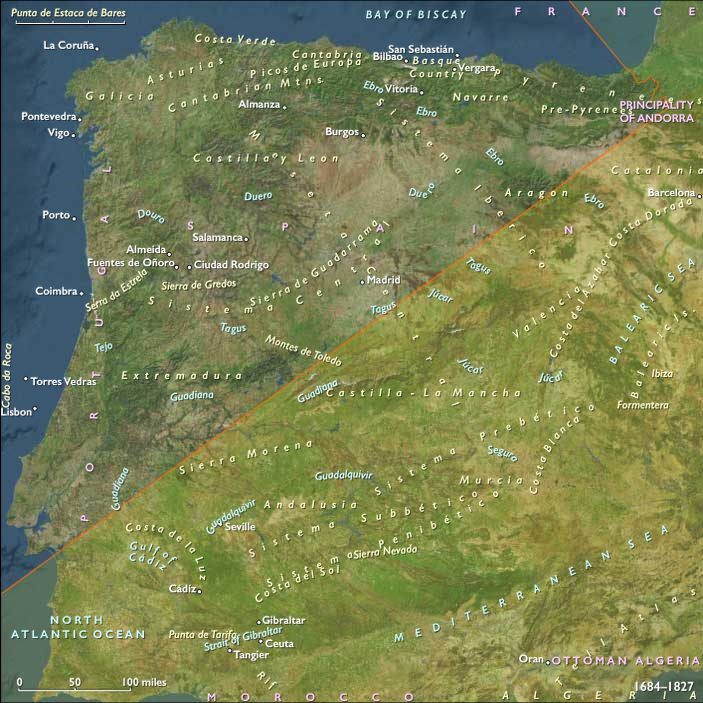
Related Events
Showing 3 events out of 3 total
Years: 1762 - 1762
May
Locations
People
- Charles III of Spain
- José I of Portugal
- Nicolás de Carvajal, Marquis of Sarria
- Sebastião José de Carvalho e Melo, 1st Marquis of Pombal
- William Pitt
- William, Count of Schaumburg-Lippe
Groups
- Austria, Archduchy of
- Saxony, Electorate of
- Portuguese Empire
- Río de la Plata, Governorate of the
- Brazil, Colonial
- France, (Bourbon) Kingdom of
- Portugal, Bragança Kingdom of
- Spain, Bourbon Kingdom of
- Prussia, Kingdom of
- Britain, Kingdom of Great
- Russian Empire
Topics
Subjects
Regions
Subregions