Jean Erdman, Baron Dieskau, with a view…
September 1755 CE
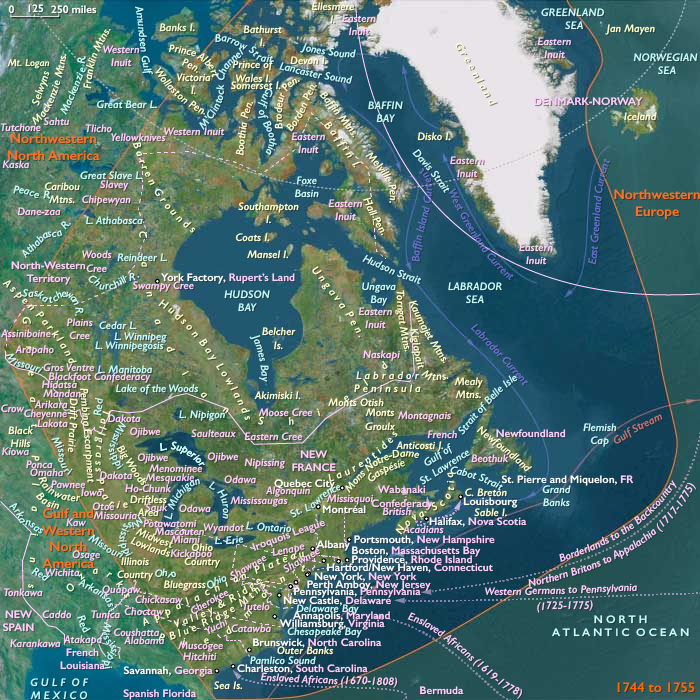
Dieskau had decided on September 4 to launch a raid on Johnson's base, the recently constructed Fort Edward (at this time called Fort Lyman) on the Hudson River.
His aim is to destroy the boats, supplies and artillery that Johnson needs for his campaign.
Leaving half his force at Carillon, Dieskau leads the rest on an alternate route to the Hudson by landing his men at South Bay and then marching them east of Lake George along Wood Creek.
Dieskau arrives near Fort Edward on the evening of September 7, 1755 with two hundred and twenty-two French regular grenadiers from the Régiment de la Reine and the Régiment de Languedoc, six hundred Canadian militia and seven hundred Abenaki and Caughnawaga Mohawk allies.
Johnson, camped fourteen miles (twenty-three kilometers) north of Fort Edward at the southern end of Lake George, is alerted by scouts to the presence of the enemy forces to his south, and he dispatches a messenger to warn the five hundred-man garrison at Fort Edward, but the messenger is intercepted, and soon afterward a supply train is captured, with the result that the disposition of all of Johnson's forces becomes known to Dieskau.
People
Groups
Iroquois (Haudenosaunee, also known as the League of Peace and Power, Five Nations, or Six Nations)
View →
Maliseet, or Wolastoqiyik, people (Amerind tribe)
View →
Abenaki people (Amerind tribe)
View →
Mi'kmaq people (Amerind tribe)
View →
Christians, Roman Catholic
View →
Mohawk people (Amerind tribe)
View →
Wabanaki Confederacy
View →
Passamaquoddy (Amerind tribe)
View →
New France (French Colony)
View →
Anglicans (Episcopal Church of England)
View →
Puritans
View →
France, (Bourbon) Kingdom of
View →
New York, Province of (English Colony)
View →
Massachusetts, Province of (English Crown Colony)
View →
Britain, Kingdom of Great
View →
Nova Scotia (British Colony)
View →
Topics
Subjects
Regions
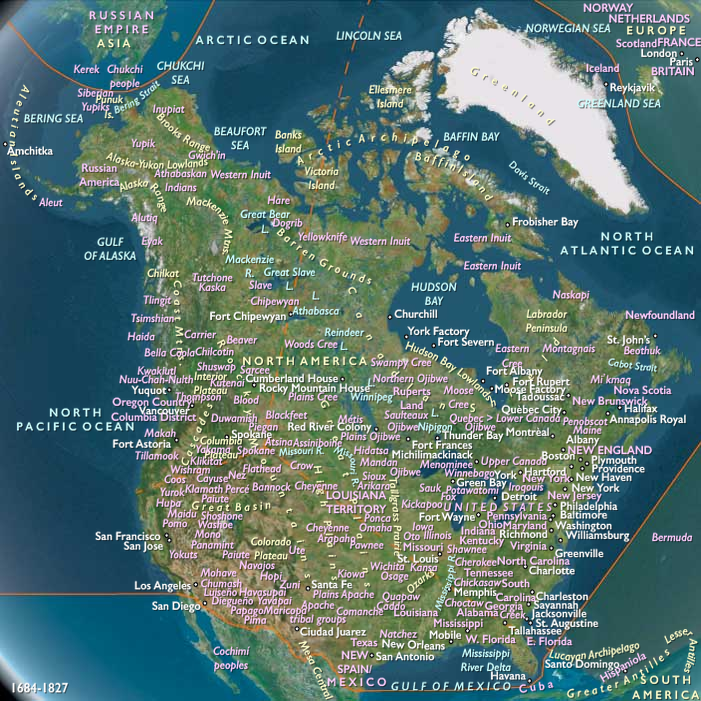
Northern North America
View →Subregions