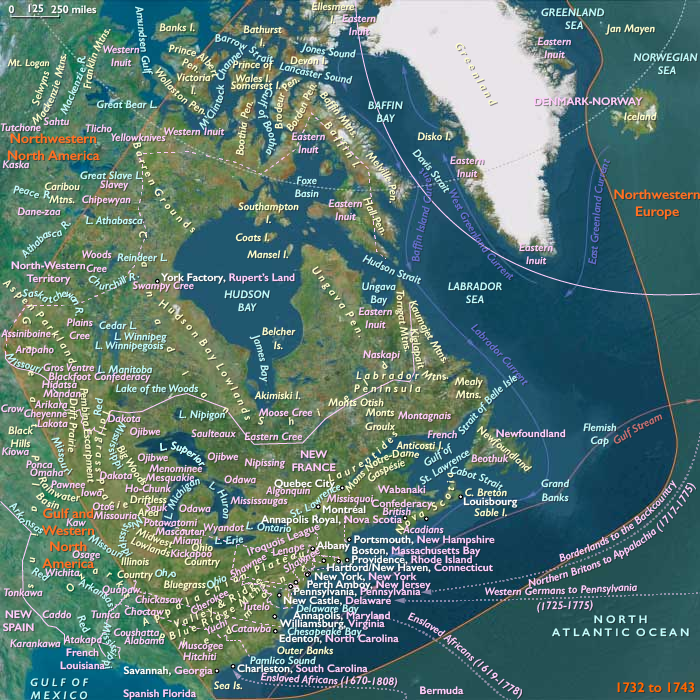
The increase in enslaved Africans in New…
January 1741 CE
The increase in enslaved Africans in New York during the early decades of the eighteenth century, has been accompanied by both real revolts and periodic fears in the white community about revolts.
Fears about slavery have been used by different political factions to fan other tensions, as well.
Enslaved people comprise one in five of New York's total population of ten thousand by 1741, by which time a slave plot had been "discovered" on average every two and one half years since 1687.
Residents remember the New York Slave Revolt of 1712, when more than twenty slaves had met to destroy property and their abusers in retaliation for the injustices they had suffered.
One of the slaves, Kofi, (called Cuffee by whites), had set fire to his master’s outhouse.
When townspeople had gathered to put it out, the slaves had attacked the crowd, killing nine whites and injuring six.
The governor had tried and executed twenty-one slaves.
The winter of 1740–1741 has been a miserable period for the poor in the city.
An economic depression has contributed to declining food and fuel supply, aggravated by record low temperatures and snowfall.
Many people are in danger of starving and freezing to death.
These conditions cause many denizens, especially the poor whites and slaves, to grow resentful of the government.
The tension between the whites and the blacks is great.
The fear of a slave revolt is high in 1741, following slave revolts in South Carolina in 1739) and in the Caribbean on St. John in 1734.
In addition, Britain has recently gone to war with Spain in the War of Jenkins' Ear, which adds to the tensions in the seaport and increases anti-Catholic and anti-Spanish feelings by the authorities.
Spain at this time is frequently viewed by the enslaved in Anglophone colonies as a liberator due to the fact the Spanish have offered freedom to any enslaved person who joins their cause.
The British have recruited soldiers from New York to attack Cuba, and reduced the number of troops normally kept here.
The upper classes are nervous and tensions during the winter remind them of the times of the Slave Revolt of 1712.
The government bans slave meetings on street corners.
They limit slaves in groups to three, but allowed twelve at funerals.
The government reduces other rights of assembly and movement.
People
Groups
Topics
Commodities
Subjects
Regions
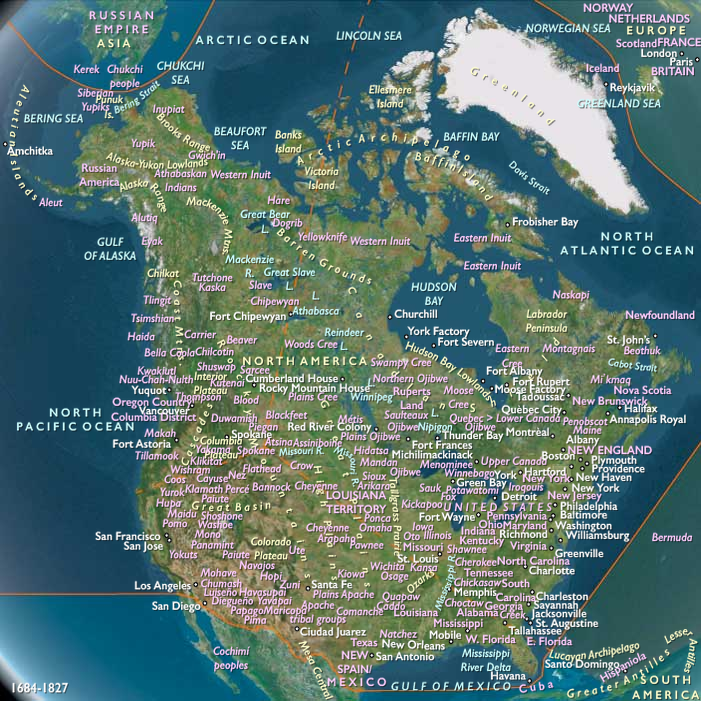
Northern North America
View →Subregions