
Filters:
The Emergence of …
Years: 25101BCE - 23374BCE
Groups
Topics
Commodoties
Subjects
- Commerce
- Sculpture
- Painting and Drawing
- Environment
- Labor and Service
- Conflict
- Faith
- Government
- Custom and Law
- Technology
- Anthropology
Regions
- Australasia
- East Asia
- South Asia
- The Near and Middle East
- Southeast Europe
- Central Europe
- West Europe
- Southern Africa
- East Africa
- West Africa
- North Africa
- Southwest Europe

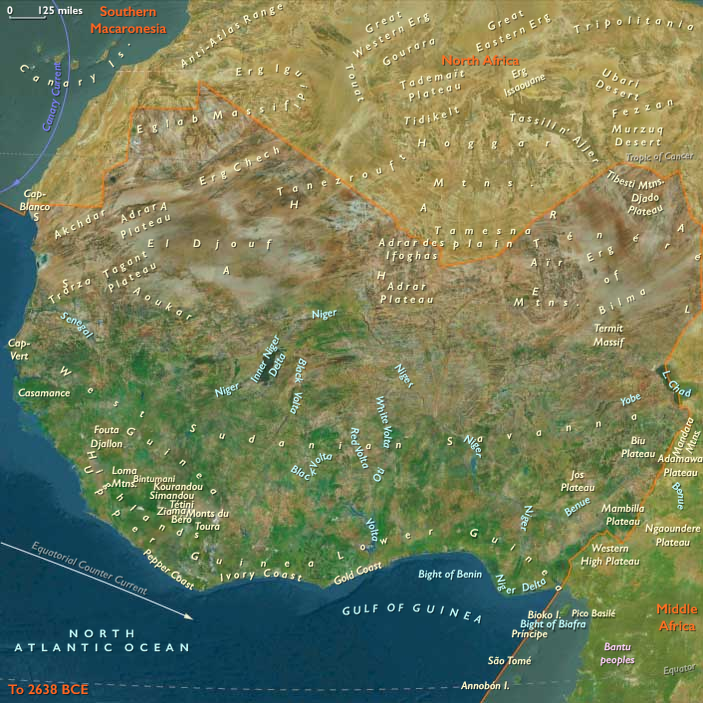
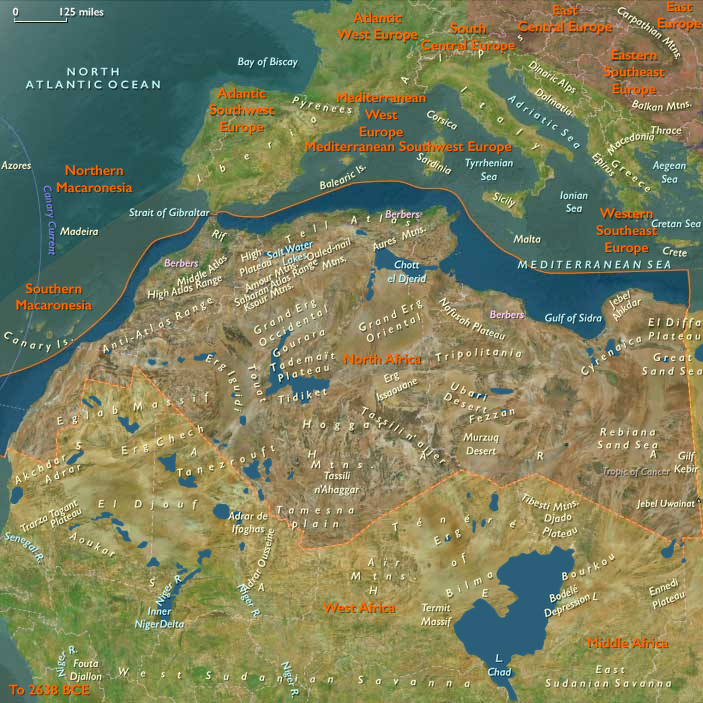
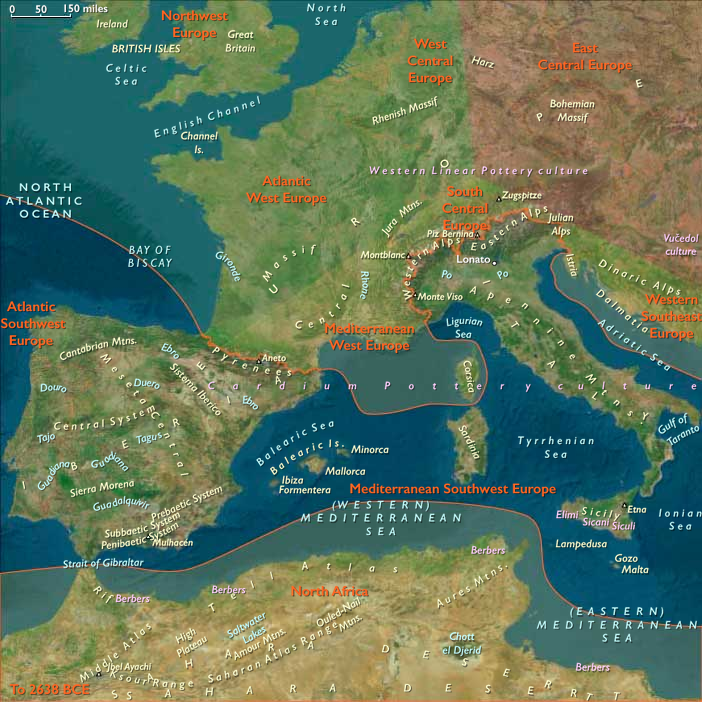
Subregions
- Southern Australasia
- Southeastern Asia
- Maritime East Asia
- East Europe
- Eastern Southeast Europe
- Middle East
- Maritime East Africa
- Temperate Southern Africa
- West Africa
- Interior East Africa
- Near East
- Western Southeast Europe
- Mediterranean West Europe
- Mediterranean Southwest Europe
- North Africa
- Atlantic Southwest Europe
- Atlantic West Europe
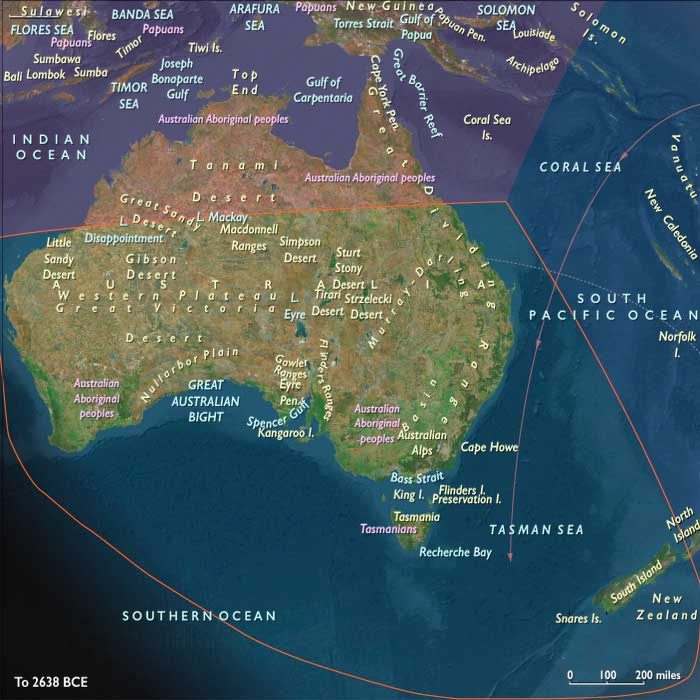
Years: 25101BCE - 23374BCE
Groups
Topics
Commodoties
Subjects
- Commerce
- Sculpture
- Painting and Drawing
- Environment
- Labor and Service
- Conflict
- Faith
- Government
- Custom and Law
- Technology
- Anthropology
Regions
- Australasia
- East Asia
- South Asia
- The Near and Middle East
- Southeast Europe
- Central Europe
- West Europe
- Southern Africa
- East Africa
- West Africa
- North Africa
- Southwest Europe
Subregions
- Southern Australasia
- Southeastern Asia
- Maritime East Asia
- East Europe
- Eastern Southeast Europe
- Middle East
- Maritime East Africa
- Temperate Southern Africa
- West Africa
- Interior East Africa
- Near East
- Western Southeast Europe
- Mediterranean West Europe
- Mediterranean Southwest Europe
- North Africa
- Atlantic Southwest Europe
- Atlantic West Europe