Gallaecia (Roman province)
Substate | Defunct
297 CE to 409 CE
Gallaecia or Callaecia, also known as Hispania Gallaecia, is the name of a Roman province that comprises a territory in the northwest of Hispania, approximately present-day Galicia, northern Portugal, Asturias and Leon and the later Suebic Kingdom of Gallaecia.
The Roman cities include the port Cale (Porto), the governing centers Bracara Augusta (Braga), Lucus Augusti (Lugo) and Asturica Augusta (Astorga) and their administrative areas Conventus bracarensis, Conventus lucensis and Conventus asturicensis.
Capital
Worlds
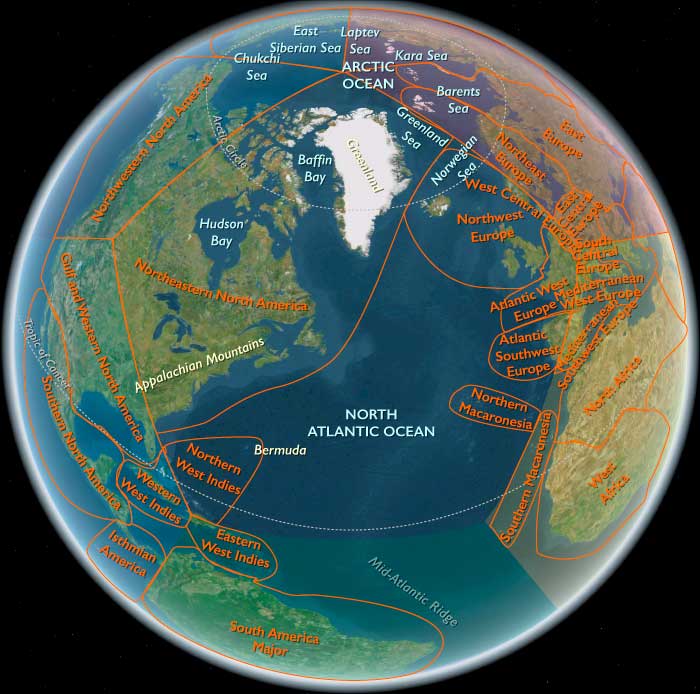
The Atlantic Lands
View →Related Events
Showing 10 events out of 17 total
Atlantic Southwest Europe (244–387 CE): Provincial Resilience, Economic Transformation, and Christianization Amid Imperial Turmoil
From 244 to 387 CE, Atlantic Southwest Europe—including northern and central Portugal, Galicia, Asturias, Cantabria, and northern Spain south of the Franco-Spanish border (43.05548° N, 1.22924° W)—navigated a complex era marked by persistent imperial instability, economic shifts, and deep cultural and religious transformations. As the Roman Empire grappled with the Crisis of the Third Century and subsequent administrative restructuring under Diocletian and Constantine, this region preserved notable provincial stability and economic resilience. Christianity, meanwhile, emerged as a dominant cultural force, reshaping local traditions and institutions.
Political and Administrative Developments
Provincial Administration and Local Governance
Hispania was divided into several provinces, notably Gallaecia (covering modern Galicia and northern Portugal) and Lusitania (encompassing much of modern Portugal and Extremadura). Lusitania was governed from Emerita Augusta (modern Mérida), a thriving administrative and economic hub that served as the provincial capital. Under Diocletian’s reforms, these provinces became part of the larger Diocese of Hispania, governed from Tarraco (modern Tarragona), significantly strengthening imperial bureaucracy and administrative oversight.
Imperial Military Presence and Local Security
Roman military units, primarily auxiliary troops rather than full legions, were stationed in northern regions such as Asturias and Cantabria. Their primary roles were to maintain control, prevent rebellions, and guard against incursions by less-assimilated local tribes. Despite broader imperial turmoil, this localized military presence ensured a considerable degree of internal stability.
Germanic Raids and Frontier Security
Throughout the late 3rd and the 4th centuries, coastal settlements occasionally suffered raids by Germanic groups, notably the Franks. Although these incursions disrupted trade and settlements, they did not yet lead to permanent Germanic settlements, which only began in earnest after the early 5th century.
Economic and Social Transformations
Regional Production and Economic Stability
Northern Iberia and Lusitania remained economically vital to the empire, producing:
-
Gold and silver mined extensively in Asturias and Galicia.
-
Olive oil and grain from the fertile territories of Lusitania.
-
Fish products and salt from coastal settlements like Olissipo (Lisbon) and Bracara Augusta (Braga).
Despite imperial disruptions, regional trade remained resilient, maintaining commercial connections with Gaul, North Africa, and the broader Mediterranean, though sporadic pirate activities and border instability occasionally hindered commerce.
Transition from Slavery to Localized Labor Systems
A significant economic shift occurred as traditional widespread slavery declined. Increasingly, regional economies relied upon tenant farming, semi-free laborers (coloni), free artisans, and localized community-based labor arrangements. This shift reflected broader imperial trends toward economic self-sufficiency and foreshadowed medieval economic structures.
Decline of Urban Life and Rise of Villa Economies
While larger cities such as Emerita Augusta, Bracara Augusta, and Asturica Augusta (Astorga) remained vibrant regional centers, many smaller towns and municipalities declined. Local elites (curiales) took on greater administrative responsibilities as imperial oversight weakened. By the late 4th century, fortified rural estates (villae) increasingly replaced urban centers as economic focal points, laying early foundations for feudal economic and social structures characteristic of medieval Iberia.
Cultural and Religious Developments
Expansion and Institutionalization of Christianity
Christianity expanded rapidly across Atlantic Southwest Europe in the 3rd and 4th centuries, with the earliest known communities emerging by the late 2nd century. Emperor Constantine’s Edict of Milan (313 CE) granted religious tolerance to Christians, facilitating the establishment of influential bishoprics in key regional cities, notably Bracara Augusta and Emerita Augusta.
The Council of Elvira (c. 306 CE), convened near modern Granada, emerged as one of the earliest Christian synods in Hispania, playing a central role in shaping the regional structure of the early church. By the end of the 4th century, Christianity became the dominant religion following Emperor Theodosius I’s declaration of Nicene Christianity as the official state religion (380 CE). Bishops and clergy began to hold significant civic authority, profoundly influencing local governance and regional cultural identities.
Decline of Paganism and Enduring Syncretism
Traditional Roman polytheism and indigenous religious practices gradually declined, especially within urban and elite circles, as Christianity solidified its influence. Temples were progressively converted into churches, with Christian basilicas emerging prominently in urban centers. Nevertheless, rural areas—particularly in Galicia and northern Portugal—continued to practice indigenous and Roman pagan traditions, creating distinctive regional syncretism that blended older rituals with Christian beliefs and practices.
Civic Identity and Regional Cohesion
Civic identity in Atlantic Southwest Europe evolved significantly during this era, blending traditional Iberian, Roman, and emerging Christian elements. The universal citizenship first granted by Caracalla’s Constitutio Antoniniana (212 CE) remained foundational, while increasingly Christian affiliations reshaped regional and local identities amid ongoing imperial reorganization.
Notable Tribal Groups and Settlements
-
Lusitanians: Maintained economic prosperity and vibrant cultural traditions while deeply integrating Christianity into local governance and social life.
-
Vettones and Vaccaei: Sustained regional stability, autonomy, and economic resilience, effectively adapting to shifting religious and economic contexts.
-
Gallaeci, Astures, Cantabri: Continued stable governance, prosperous economic activity, and culturally resilient identities, preserving traditional indigenous practices alongside significant Christian integration.
-
Vascones: Successfully maintained diplomatic neutrality, territorial autonomy, internal stability, and distinct cultural identity, enhancing overall regional resilience.
Long-Term Significance and Legacy
From 244 to 387 CE, Atlantic Southwest Europe demonstrated exceptional regional stability, economic resilience, and cultural adaptability. By effectively navigating imperial crises, embracing significant economic transitions, and deeply institutionalizing Christianity, the region established enduring foundations for its future historical, cultural, and social evolution, profoundly influencing the subsequent medieval character of the Iberian Peninsula.
Atlantic Southwest Europe (292–303 CE): Provincial Reorganization, Administrative Consolidation, and Cultural Adaptation under the Tetrarchy
Between 292 and 303 CE, Atlantic Southwest Europe—covering northern and central Portugal, Galicia, Asturias, Cantabria, and northern Spain south of the Franco-Spanish border (43.05548° N, 1.22924° W)—experienced significant administrative and political shifts under Emperor Diocletian’s sweeping reforms known as the Tetrarchy (established 293 CE). These reforms reorganized imperial governance to stabilize Rome following decades of instability, altering provincial administration and strengthening central oversight. Despite these substantial administrative changes, the region maintained considerable internal stability, economic resilience, and vibrant cultural continuity, adapting effectively to evolving political structures.
Political and Military Developments
Imperial Reorganization under Diocletian’s Tetrarchy
-
Diocletian’s establishment of the Tetrarchy in 293 CE significantly reshaped provincial administration. Atlantic Southwest Europe was incorporated into a more centralized imperial framework, becoming part of reorganized administrative divisions aimed at improving governance, tax collection, military oversight, and bureaucratic efficiency.
-
Local civic elites adapted to increased centralization, continuing their essential role in regional governance. Despite enhanced central oversight, the region maintained substantial local autonomy due to the effectiveness of pre-existing municipal institutions and local leadership.
Stability and Continued Integration of Northern Tribes
-
Northern tribal groups—especially the Gallaeci, Astures, and Cantabri—remained stable and integrated, continuing active participation in restructured provincial administration. Cooperation between local elites and imperial authorities ensured peaceful regional governance and internal cohesion.
-
The Vascones preserved territorial autonomy, cultural distinctiveness, and diplomatic neutrality, effectively adapting to evolving imperial frameworks.
Economic and Technological Developments
Economic Stability and Regional Consolidation
-
Despite administrative reorganization, Atlantic Southwest Europe maintained economic stability through adaptive regional strategies and internal self-sufficiency. Local agriculture, livestock production, mining (silver, copper, tin), textiles, pottery, and timber industries remained resilient, reinforcing provincial economic independence from reduced external trade.
-
Provincial elites skillfully managed new imperial taxation and economic directives, preserving regional prosperity through strengthened local economic networks.
Continued Transition from Slavery to Local Labor Systems
-
The shift away from traditional reliance on slavery further accelerated, driven by economic necessity and reduced external slave trade. Local economies increasingly relied on free tenant farmers, semi-free laborers (coloni), and community-based labor arrangements.
Infrastructure Consolidation and Technological Adaptations
-
Imperial reorganization prompted focused maintenance and selective enhancement of provincial infrastructure—roads, fortifications, urban walls, aqueducts, and public amenities—to ensure economic efficiency, administrative effectiveness, and urban resilience.
-
Technological advancements continued locally, particularly in agriculture, metallurgy, and construction, enhancing productivity and provincial economic self-sufficiency.
Cultural and Religious Developments
Cultural Continuity and Adaptive Integration
-
Indigenous cultural traditions persisted actively, reflecting vibrant integration of Iberian, Celtic, and Roman influences. Material culture—including elaborate metalwork, jewelry, ceramics, and ceremonial artifacts—remained strong markers of local identities and cultural vitality.
-
Indigenous communities—particularly Lusitanians, Gallaeci, Astures, Cantabri, and Vascones—maintained resilient cultural expressions, creatively adapting traditions within evolving Roman administrative and cultural frameworks.
Religious and Ritual Resilience
-
Ritual traditions continued vigorously, integrating indigenous Iberian, Celtic, and Roman religious practices. Sacred landscapes, temples, communal ceremonies, and local rites persisted, reinforcing social cohesion, regional identity, and cultural continuity.
-
Traditional ancestral rites, warrior rituals, and local festivals endured strongly, maintaining social solidarity and cultural resilience amid changing imperial structures.
Civic Identity and Imperial Integration
-
Civic identity increasingly reflected a dual orientation, combining strong local and regional identities with enhanced imperial administrative integration under Diocletian’s tetrarchic reforms. Universal Roman citizenship remained foundational, yet regional and local affiliations intensified amid reorganized imperial governance.
Notable Tribal Groups and Settlements
-
Lusitanians: Continued economic stability and cultural vibrancy, effectively adapting to strengthened imperial oversight while maintaining robust regional autonomy.
-
Vettones and Vaccaei: Preserved prosperity, autonomy, and stability, navigating new administrative structures through effective civic participation and local governance.
-
Gallaeci, Astures, Cantabri: Remained prosperous, stable, and culturally resilient, actively integrating within provincial administration and preserving local traditions.
-
Vascones: Successfully maintained diplomatic neutrality, territorial autonomy, and cultural distinctiveness, contributing significantly to regional stability and cohesion.
Long-Term Significance and Legacy
Between 292 and 303 CE, Atlantic Southwest Europe:
-
Successfully adapted to Diocletian’s sweeping tetrarchic reforms, reinforcing provincial stability and effective regional governance within a reorganized imperial structure.
-
Further consolidated economic self-sufficiency and stability, accelerating shifts from traditional slavery toward sustainable local labor systems.
-
Demonstrated continued cultural resilience and robust regional identities, dynamically integrating indigenous traditions with evolving Roman administrative and cultural frameworks.
This era significantly reinforced Atlantic Southwest Europe's historical trajectory, establishing a durable balance between strengthened imperial oversight and vibrant local autonomy, economic adaptability, and cultural continuity, crucial for navigating subsequent imperial and regional developments.
Atlantic Southwest Europe (304–315 CE): Imperial Transitions, Provincial Stability, and Emerging Christian Influence
Between 304 and 315 CE, Atlantic Southwest Europe—encompassing northern and central Portugal, Galicia, Asturias, Cantabria, and northern Spain south of the Franco-Spanish border (43.05548° N, 1.22924° W)—experienced significant transformations during the final phase of Emperor Diocletian’s reign (ending in 305 CE), the collapse of the first tetrarchy, and the subsequent rise of Constantine the Great (306–337 CE). Amid these imperial transitions, the region maintained provincial stability, economic resilience, and robust cultural continuity, while beginning to encounter the early influence of Christianity, reshaping local religious landscapes and cultural dynamics.
Political and Military Developments
Stability Amid Imperial Power Shifts
-
The abdication of Diocletian in 305 CE and subsequent political struggles within the empire did not significantly disrupt Atlantic Southwest Europe’s provincial stability. The region’s well-established governance structures, local bureaucracies, fortified urban centers, and integrated tribal leadership ensured continuity of effective administration and internal peace.
-
Local civic elites continued to manage provincial affairs effectively, adapting to evolving central authorities and successfully maintaining internal order despite external uncertainties.
Continued Integration and Stability of Northern Tribes
-
Northern tribes—including the Gallaeci, Astures, and Cantabri—remained peaceful, stable, and actively integrated into provincial administration. Their cooperation with regional authorities maintained effective governance and internal cohesion.
-
The Vascones preserved territorial autonomy, cultural distinctiveness, diplomatic neutrality, and internal stability, significantly contributing to overall regional resilience.
Economic and Technological Developments
Economic Resilience and Local Adaptation
-
Atlantic Southwest Europe sustained economic resilience through increased regional self-sufficiency and internal trade networks, continuing to produce agricultural goods, livestock, metals (silver, copper, tin), textiles, pottery, and timber. Although Mediterranean trade gradually recovered under Constantine, local production remained key to economic stability.
-
Provincial elites effectively adapted to shifting economic conditions and imperial taxation policies, maintaining regional prosperity through prudent management of resources and trade relations.
Continued Decline in Slavery and Rise of Local Labor Systems
-
The transition away from traditional reliance on widespread slavery further intensified, with local economies increasingly depending on tenant farmers, free artisans, semi-free laborers (coloni), and community-based labor arrangements.
Infrastructure Maintenance and Technological Innovation
-
Maintenance and limited expansion of provincial infrastructure—including roads, aqueducts, public amenities, fortifications, and temples—continued, supporting economic efficiency, urban resilience, and administrative effectiveness.
-
Local technological innovations persisted, particularly in agriculture, metallurgy, and construction, enhancing productivity and supporting regional economic sustainability.
Cultural and Religious Developments
Persistent Cultural Identity and Early Christian Presence
-
Traditional indigenous cultures remained vibrant, dynamically blending Iberian, Celtic, and Roman influences. Material culture, including metalwork, jewelry, fine pottery, and ceremonial artifacts, continued reflecting robust regional identities and sustained cultural vitality.
-
Early Christian influences began emerging in urban centers, particularly among provincial elites and merchant communities. Christianity slowly spread along trade routes and through urban networks, initiating gradual religious and cultural transformations within the region.
Continued Ritual Practices and Religious Adaptation
-
Indigenous Iberian, Celtic, and traditional Roman religious practices persisted strongly in rural and tribal communities, reinforcing social cohesion, regional identity, and cultural continuity.
-
While traditional ancestral rites, warrior ceremonies, and local festivals remained prevalent, Christian ideas began subtly reshaping religious discourse and urban religious practices, laying foundations for later broader religious shifts.
Civic Identity and Imperial Integration under Constantine
-
Under Constantine’s early rule, regional civic identities continued reflecting a blend of local traditions and stronger imperial administrative integration. The foundational universal citizenship established by Caracalla remained influential, yet regional identities adapted increasingly to new imperial realities and emerging religious changes.
Notable Tribal Groups and Settlements
-
Lusitanians: Maintained economic stability and vibrant cultural traditions, adapting effectively to imperial transitions and emerging religious influences.
-
Vettones and Vaccaei: Preserved prosperity, autonomy, and stability, effectively managing economic and political shifts while actively engaging with early Christian influences in urban areas.
-
Gallaeci, Astures, Cantabri: Continued stable governance and active cultural resilience, preserving indigenous traditions amid evolving religious and imperial dynamics.
-
Vascones: Successfully preserved diplomatic neutrality, territorial autonomy, cultural distinctiveness, and internal stability, contributing significantly to regional cohesion.
Long-Term Significance and Legacy
Between 304 and 315 CE, Atlantic Southwest Europe:
-
Navigated complex imperial transitions effectively, maintaining significant provincial stability and administrative continuity amid broader imperial power struggles.
-
Sustained resilient economic adaptation, further shifting away from traditional reliance on slavery toward local labor systems and regional self-sufficiency.
-
Experienced initial exposure to Christianity, subtly reshaping religious practices and cultural identities, laying crucial foundations for subsequent religious transformations within the region.
This era marked a significant transitional phase, reinforcing Atlantic Southwest Europe's stability and resilience while introducing transformative religious influences, ultimately shaping its long-term cultural and historical trajectory.
Atlantic Southwest Europe (316–327 CE): Provincial Stability, Imperial Consolidation, and Expanding Christian Influence
Between 316 and 327 CE, Atlantic Southwest Europe—encompassing northern and central Portugal, Galicia, Asturias, Cantabria, and northern Spain south of the Franco-Spanish border (43.05548° N, 1.22924° W)—experienced continued provincial stability and increased imperial coherence under Emperor Constantine the Great (306–337 CE). Constantine’s victory over his rival Licinius in 324 CE reunited the empire, enhancing central authority and stability. Locally, the period was marked by economic resilience, continued cultural vitality, and the steady growth of Christianity, significantly reshaping the region’s religious and cultural landscape.
Political and Military Developments
Enhanced Imperial Stability under Constantine
-
Constantine’s decisive defeat of Licinius in 324 CE and subsequent reunification of the Roman Empire increased central imperial stability, positively affecting Atlantic Southwest Europe. The region benefited from strengthened administrative cohesion, clearer imperial directives, and improved provincial governance, supported by effective local civic elites.
-
Provincial administration continued relying upon municipal councils, fortified towns, local bureaucracies, and stable military garrisons, which maintained internal peace and efficient regional management.
Continued Stability and Integration of Northern Tribes
-
Northern tribes, including the Gallaeci, Astures, and Cantabri, remained peaceful, stable, and fully integrated within provincial governance. Cooperation between tribal leaders and provincial authorities continued reinforcing internal cohesion and effective local governance.
-
The Vascones preserved their longstanding territorial autonomy, cultural distinctiveness, diplomatic neutrality, and internal stability, contributing significantly to regional resilience.
Economic and Technological Developments
Economic Stability and Regional Prosperity
-
Atlantic Southwest Europe maintained economic stability, increasingly benefiting from restored Mediterranean trade under Constantine’s unified rule. Local production—agriculture, livestock, metals (silver, copper, tin), textiles, pottery, and timber—remained robust, complemented by improved external commercial interactions and trade networks.
-
Provincial elites managed economic resources and imperial taxation effectively, ensuring regional prosperity and strengthened internal economic ties.
Declining Reliance on Slavery and Expanded Local Labor Systems
-
Continued economic transformations further reduced traditional reliance on widespread slavery. Regional economies increasingly depended on tenant farmers, semi-free laborers (coloni), free artisans, and locally organized labor systems, reflecting broader shifts throughout the Roman Empire.
Infrastructure Consolidation and Local Technological Innovations
-
Infrastructure—roads, urban fortifications, aqueducts, public amenities, bridges—continued receiving maintenance and limited expansion, significantly enhancing provincial connectivity, administrative effectiveness, and urban amenities.
-
Technological innovations persisted locally, particularly in agriculture, metallurgy, and construction, boosting productivity, economic sustainability, and regional prosperity.
Cultural and Religious Developments
Persistent Cultural Vitality and Growing Christianization
-
Indigenous cultural traditions remained vibrant, dynamically integrating Iberian, Celtic, and Roman elements. Material culture, including intricate metalwork, jewelry, fine pottery, and ceremonial artifacts, continued reflecting strong regional identities and cultural resilience.
-
Christianity expanded significantly during this period, especially within urban areas and among provincial elites. Churches and early Christian communities began emerging more prominently, gradually reshaping regional religious identities and cultural expressions.
Continued Indigenous Ritual Practices and Religious Adaptation
-
Traditional Iberian, Celtic, and Roman religious practices persisted actively, especially in rural and tribal areas. Sacred landscapes, temples, and communal ceremonies continued reinforcing cultural continuity and regional identity.
-
Traditional ancestral rites, warrior rituals, and local festivals remained strong, though increasingly influenced and gradually supplemented by emerging Christian rituals and religious observances.
Civic Identity and Enhanced Imperial Integration
-
Under Constantine’s increasingly centralized imperial rule, civic identity in Atlantic Southwest Europe balanced local traditions with strengthened integration into imperial administrative and religious frameworks. Universal citizenship continued as a foundational identity, reinforced by expanding Christian affiliations.
Notable Tribal Groups and Settlements
-
Lusitanians: Maintained economic prosperity and cultural vitality, effectively navigating imperial transitions and increasingly adopting Christian practices, especially within urban communities.
-
Vettones and Vaccaei: Preserved regional stability, prosperity, and autonomy, engaging actively with emerging Christian influences alongside traditional practices.
-
Gallaeci, Astures, Cantabri: Continued prosperous, culturally resilient, and closely integrated governance, preserving local identities amidst ongoing religious and administrative transitions.
-
Vascones: Successfully maintained diplomatic neutrality, territorial autonomy, and cultural distinctiveness, reinforcing regional stability.
Long-Term Significance and Legacy
Between 316 and 327 CE, Atlantic Southwest Europe:
-
Benefited significantly from Constantine’s reunification and enhanced imperial stability, sustaining effective provincial governance and regional prosperity.
-
Experienced continued economic adaptation, increasingly integrating restored Mediterranean trade networks while shifting further away from traditional slavery toward local labor systems.
-
Saw marked growth in Christianity, beginning a profound religious and cultural shift, complementing and gradually reshaping traditional indigenous identities and practices.
This era significantly advanced Atlantic Southwest Europe's integration within a re-stabilized Roman Empire, strengthening local resilience, economic stability, and initiating long-term religious and cultural transformations crucial to the region’s historical trajectory.
Atlantic Southwest Europe (328–339 CE): Provincial Stability, Economic Integration, and Deepening Christian Influence
Between 328 and 339 CE, Atlantic Southwest Europe—encompassing northern and central Portugal, Galicia, Asturias, Cantabria, and northern Spain south of the Franco-Spanish border (43.05548° N, 1.22924° W)—enjoyed ongoing provincial stability and economic prosperity during the mature phase of Constantine the Great’s rule (306–337 CE) and the early years of his sons’ reigns. The region benefited from Constantine’s comprehensive administrative and economic reforms, enjoying strengthened imperial governance, sustained regional prosperity, and increased Mediterranean trade integration. Concurrently, Christianity expanded significantly, profoundly reshaping the region's religious landscape, cultural identity, and social dynamics.
Political and Military Developments
Consolidated Imperial Stability and Effective Provincial Governance
-
Under Constantine’s mature reign, Atlantic Southwest Europe experienced reinforced provincial governance, marked by administrative efficiency, effective taxation systems, improved bureaucratic structures, and enhanced provincial security. Local civic elites continued actively managing regional governance, sustaining internal peace and stability amid strengthened central imperial authority.
-
After Constantine’s death in 337 CE, his sons—Constantine II, Constantius II, and Constans—maintained initial imperial continuity, ensuring ongoing stability within the region.
Stability and Integration of Northern Tribes
-
Northern tribal groups—particularly the Gallaeci, Astures, and Cantabri—continued peaceful and stable integration within provincial governance structures. Cooperation between tribal leaders and provincial authorities sustained effective regional management and cohesive internal governance.
-
The Vascones continued successfully preserving territorial autonomy, diplomatic neutrality, cultural distinctiveness, and internal stability, significantly bolstering regional resilience.
Economic and Technological Developments
Economic Prosperity and Renewed Mediterranean Trade
-
Atlantic Southwest Europe experienced sustained economic prosperity and increasingly active integration into restored Mediterranean trade networks. Exports—including agricultural products, livestock, valuable metals (silver, copper, tin), timber, salt, textiles, and pottery—increased, enriching provincial economies. Imports of luxury goods, ceramics, wine, and olive oil reinforced regional economic vitality.
-
Provincial elites skillfully managed resources and taxation under improved imperial economic frameworks, maintaining regional prosperity through strengthened internal trade and renewed Mediterranean commercial connections.
Continued Decline in Slavery and Expanded Local Labor Systems
-
The shift away from widespread slavery continued, driven by regional economic changes, reduced external slave trade, and imperial economic restructuring. Local economies increasingly relied on tenant farming, semi-free laborers (coloni), free artisans, and community-based labor arrangements.
Infrastructure Development and Local Technological Innovation
-
Infrastructure continued receiving significant investment and maintenance, including roads, urban fortifications, public amenities, aqueducts, bridges, and temples. These improvements substantially enhanced provincial connectivity, administrative effectiveness, and urban living standards.
-
Technological innovation, especially in agriculture, metallurgy, and construction, continued locally, further boosting productivity and regional economic sustainability.
Cultural and Religious Developments
Expanded Christian Influence and Cultural Adaptation
-
Christianity expanded considerably during this era, gaining significant presence among provincial elites, urban communities, and increasingly among rural populations. Churches, Christian burial practices, and early religious communities multiplied, profoundly reshaping regional religious identities and cultural expressions.
-
Despite growing Christian influence, traditional indigenous cultural practices remained robust, blending dynamically with the new religious context. Material culture—such as metalwork, jewelry, ceramics, and ceremonial artifacts—continued reflecting enduring regional identities.
Indigenous Religious Continuity and Syncretism
-
Indigenous Iberian, Celtic, and Roman religious practices persisted, particularly in rural and tribal communities. Sacred sites, temples, ritual landscapes, and communal ceremonies maintained social cohesion, regional identity, and cultural continuity.
-
Traditional ancestral rites, warrior ceremonies, and regional festivals continued actively but began reflecting increasing Christian syncretism, blending older traditions with new religious practices and beliefs.
Civic Identity and Imperial Integration under Constantine and his Sons
-
Civic identity in Atlantic Southwest Europe increasingly blended local traditions with enhanced imperial integration and Christian affiliations under Constantine’s reforms and his sons’ early reigns. Universal citizenship remained influential, with local identities adapting dynamically to religious and administrative shifts.
Notable Tribal Groups and Settlements
-
Lusitanians: Maintained economic prosperity, cultural vibrancy, and increased adoption of Christianity, especially in urban areas and elite communities.
-
Vettones and Vaccaei: Continued regional stability, prosperity, autonomy, and effective civic integration, engaging actively with emerging Christian practices.
-
Gallaeci, Astures, Cantabri: Remained prosperous, culturally resilient, and closely integrated within provincial governance, actively preserving local traditions alongside expanding Christianity.
-
Vascones: Preserved diplomatic neutrality, territorial autonomy, cultural distinctiveness, and internal stability, significantly contributing to regional cohesion.
Long-Term Significance and Legacy
Between 328 and 339 CE, Atlantic Southwest Europe:
-
Benefited from Constantine’s administrative and economic reforms, ensuring provincial stability, economic prosperity, and renewed Mediterranean trade integration.
-
Experienced significant expansion of Christianity, profoundly reshaping religious landscapes, cultural identities, and social practices, while maintaining resilient indigenous traditions.
-
Continued transitioning economically and socially away from widespread slavery toward sustainable, localized labor systems.
This era firmly established Atlantic Southwest Europe's historical trajectory as a stable, economically prosperous, culturally resilient region undergoing substantial religious transformation, laying crucial foundations for its future historical and cultural evolution within a Christianized Roman world.
Atlantic Southwest Europe (340–351 CE): Provincial Stability amid Imperial Rivalries and Consolidation of Christian Influence
Between 340 and 351 CE, Atlantic Southwest Europe—encompassing northern and central Portugal, Galicia, Asturias, Cantabria, and northern Spain south of the Franco-Spanish border (43.05548° N, 1.22924° W)—maintained provincial stability despite renewed imperial tensions following the division and conflicts among Constantine’s sons, Constantine II, Constantius II, and Constans. This period saw continued economic prosperity, effective local governance, and the deepening consolidation of Christianity as a dominant cultural and religious force, reshaping social institutions and identities across the region.
Political and Military Developments
Provincial Stability Amid Imperial Rivalries
-
Following Constantine’s death (337 CE), the empire divided among his sons, sparking renewed imperial rivalries. Atlantic Southwest Europe, however, experienced limited direct impact due to its geographical distance and effective provincial governance. Local civic elites continued efficiently managing regional administration, preserving internal peace and administrative continuity despite external political instability.
-
Following Constantine II’s defeat and death in 340 CE, Constans (west) and Constantius II (east) remained, with Constans governing the western provinces, including Atlantic Southwest Europe. His relatively stable rule supported continued provincial tranquility and economic vitality until his assassination in 350 CE and subsequent rise of Magnentius, prompting new political uncertainty toward the period's end.
Stability and Continued Integration of Northern Tribes
-
Northern tribes—including the Gallaeci, Astures, and Cantabri—remained stable, prosperous, and fully integrated within provincial governance frameworks. Their collaboration with provincial authorities ensured regional stability and effective local governance.
-
The Vascones continued preserving their territorial autonomy, diplomatic neutrality, internal stability, and distinct cultural identity, significantly enhancing regional cohesion and resilience.
Economic and Technological Developments
Economic Prosperity and Sustained Regional Trade
-
Economic prosperity persisted, driven by continued robust agricultural production, livestock, mining (silver, copper, tin), timber, salt, textiles, pottery, and active Mediterranean trade. Provincial economies remained resilient, benefitting from established regional trade networks and stable local resource management.
-
Provincial elites effectively navigated new imperial taxation demands and shifting political conditions, sustaining economic stability through strengthened internal commerce and careful resource management.
Declining Slavery and Strengthening Local Labor Systems
-
The decline of widespread slavery continued, with local economies increasingly reliant on tenant farmers, free artisans, and semi-free laborers (coloni). This transformation reflected broader imperial economic restructuring, promoting more sustainable local labor arrangements.
Infrastructure Maintenance and Technological Advancements
-
Infrastructure—including roads, aqueducts, bridges, urban fortifications, temples, and public buildings—continued receiving essential maintenance and targeted enhancements, improving provincial connectivity, economic efficiency, and urban living standards.
-
Technological innovations persisted in agriculture, metallurgy, and construction, further supporting regional economic resilience and sustainability.
Cultural and Religious Developments
Deepening Consolidation of Christianity
-
Christianity strengthened significantly during this era, solidifying its presence among urban and rural populations, provincial elites, and broader regional communities. The establishment and expansion of churches, Christian communities, and Christian burial practices increasingly reshaped social customs, cultural identities, and regional religious landscapes.
-
Bishops and clergy began emerging as influential local leaders, contributing significantly to regional governance and community life, reflecting Christianity’s deepening institutional and cultural integration.
Continuing Indigenous Cultural Traditions and Syncretism
-
Indigenous Iberian and Celtic cultural traditions persisted strongly, blending dynamically with the growing Christian context. Material culture, including metalwork, jewelry, pottery, and ceremonial artifacts, continued reflecting vibrant regional identities.
-
Indigenous and traditional Roman religious practices persisted, particularly among rural and tribal communities, increasingly influenced by Christian beliefs, creating a complex syncretic religious landscape.
Civic Identity and Provincial Integration Amid Imperial Rivalries
-
Civic identity in Atlantic Southwest Europe reflected an increasingly complex blend of local traditions, Christian affiliations, and imperial integration amid renewed central rivalries. Universal citizenship remained foundational, yet local and regional identities adapted fluidly to political uncertainty and evolving religious frameworks.
Notable Tribal Groups and Settlements
-
Lusitanians: Maintained economic prosperity, vibrant cultural traditions, and significant integration of Christianity into local social and religious life.
-
Vettones and Vaccaei: Preserved autonomy, stability, and regional prosperity, managing political shifts and deepening Christian influences effectively.
-
Gallaeci, Astures, Cantabri: Continued prosperous integration, cultural resilience, and effective regional governance, actively preserving indigenous traditions alongside deepening Christianization.
-
Vascones: Successfully maintained diplomatic neutrality, territorial autonomy, cultural distinctiveness, and internal stability, significantly contributing to overall regional resilience.
Long-Term Significance and Legacy
Between 340 and 351 CE, Atlantic Southwest Europe:
-
Successfully maintained provincial stability and effective regional governance despite renewed imperial rivalries and shifting central authority, demonstrating substantial administrative resilience.
-
Experienced continued economic prosperity, adaptive local labor systems, and sustainable regional trade integration, facilitating long-term economic stability.
-
Saw profound consolidation of Christianity, reshaping cultural identities, religious practices, and social structures, significantly influencing the region’s subsequent historical and cultural evolution.
This era solidified Atlantic Southwest Europe's historical trajectory as a resilient, economically prosperous, and culturally adaptive region undergoing deepening religious transformation, laying enduring foundations for future regional identity, governance, and cultural continuity.
Atlantic Southwest Europe (352–363 CE): Provincial Resilience Amid Imperial Turmoil and Maturing Christian Institutions
Between 352 and 363 CE, Atlantic Southwest Europe—encompassing northern and central Portugal, Galicia, Asturias, Cantabria, and northern Spain south of the Franco-Spanish border (43.05548° N, 1.22924° W)—navigated a complex period marked by imperial rivalries, military challenges, and religious shifts during the reigns of Constantius II (337–361 CE) and Julian the Apostate (361–363 CE). Despite broader imperial instability—especially following Magnentius’s failed rebellion (350–353 CE)—the region preserved significant provincial stability, economic prosperity, and cultural vitality, notably characterized by the maturing presence of Christian institutions that increasingly influenced local governance and social structures.
Political and Military Developments
Provincial Stability Amid Broader Imperial Uncertainty
-
Following Magnentius’s defeat in 353 CE, Constantius II reasserted imperial control over the western provinces, including Atlantic Southwest Europe. While central imperial authority faced continuing external threats and internal factionalism, the region benefited from established local governance structures, efficient administrative frameworks, fortified towns, and active civic elites, ensuring internal stability and effective provincial administration.
-
Julian’s brief rule (361–363 CE) and efforts to revive traditional Roman religion had limited direct impact on the region, given its geographical distance and well-established local governance systems.
Continued Stability and Integration of Northern Tribes
-
Northern tribes—including the Gallaeci, Astures, and Cantabri—remained stable, prosperous, and actively integrated into provincial governance frameworks. Ongoing collaboration with provincial authorities maintained effective regional stability and internal cohesion.
-
The Vascones successfully preserved their territorial autonomy, diplomatic neutrality, cultural distinctiveness, and internal stability, reinforcing overall regional resilience.
Economic and Technological Developments
Continued Economic Prosperity and Regional Stability
-
Economic prosperity persisted, supported by robust regional production in agriculture, livestock, mining (silver, copper, tin), timber, textiles, pottery, and sustained Mediterranean trade. Local economic structures demonstrated resilience, effectively navigating imperial taxation demands and fluctuating central authority.
-
Provincial elites skillfully managed economic resources, maintaining regional prosperity through strengthened internal commerce, efficient resource allocation, and prudent administrative strategies.
Further Transition from Slavery to Local Labor Systems
-
The shift away from traditional widespread slavery further deepened, reflecting ongoing economic and social restructuring. Regional economies relied increasingly on tenant farmers, free artisans, semi-free laborers (coloni), and community-based labor arrangements.
Infrastructure Consolidation and Technological Innovation
-
Infrastructure—roads, bridges, urban fortifications, aqueducts, temples, and public amenities—continued receiving critical maintenance and enhancements, significantly bolstering provincial connectivity, urban resilience, and economic efficiency.
-
Technological innovation persisted, particularly in agriculture, metallurgy, and construction, contributing to sustained regional productivity, economic viability, and resource management.
Cultural and Religious Developments
Mature Christian Institutions and Cultural Transformation
-
Christian institutions increasingly matured, firmly embedding themselves within local governance, social life, and cultural identities. Churches expanded, bishoprics became influential regional centers, and Christian leaders increasingly participated actively in civic administration, significantly reshaping regional social structures and cultural landscapes.
-
Traditional indigenous practices persisted robustly, particularly in rural and tribal communities, but gradually merged with, or adapted to, the expanding Christian religious context, creating distinct syncretic regional identities.
Syncretism and Continued Traditional Practices
-
Indigenous Iberian and Celtic religious traditions continued, blending dynamically with the increasingly dominant Christian religious framework. Material culture, rituals, local festivals, and social customs reflected enduring regional identities and adaptive cultural resilience.
-
Traditional ancestral rites, warrior rituals, and rural ceremonies continued robustly, though increasingly influenced and shaped by emerging Christian beliefs and practices.
Civic Identity Amid Religious and Imperial Shifts
-
Civic identity continued evolving amid imperial uncertainty and deepening Christian influence, blending local cultural traditions, Roman civic frameworks, and expanding Christian affiliations. Universal citizenship remained foundational, but local identities increasingly adapted dynamically to shifting religious and imperial circumstances.
Notable Tribal Groups and Settlements
-
Lusitanians: Sustained economic prosperity, vibrant cultural traditions, and significantly expanded Christian institutional influence, shaping local governance and regional identities.
-
Vettones and Vaccaei: Maintained regional stability, autonomy, and economic resilience, effectively adapting to religious shifts and strengthened local Christian institutions.
-
Gallaeci, Astures, Cantabri: Continued prosperous and stable integration, actively preserving indigenous traditions while embracing and adapting to expanding Christian practices.
-
Vascones: Successfully maintained diplomatic neutrality, territorial autonomy, internal stability, and cultural distinctiveness, reinforcing regional cohesion and resilience.
Long-Term Significance and Legacy
Between 352 and 363 CE, Atlantic Southwest Europe:
-
Demonstrated significant provincial resilience and stability, effectively navigating imperial uncertainty and complex administrative transitions, relying on established local governance and civic institutions.
-
Sustained economic prosperity and resourceful adaptation, further transitioning from traditional slavery toward sustainable localized labor systems, laying critical foundations for subsequent economic and social development.
-
Experienced the deepening maturity of Christian institutions, significantly reshaping social structures, regional identities, and cultural practices, profoundly influencing the region’s long-term historical trajectory.
This era reinforced Atlantic Southwest Europe's historical legacy as a resilient, economically prosperous, and culturally adaptive region undergoing significant religious and social transformations, establishing enduring foundations for future regional identities and institutions.
Atlantic Southwest Europe (364–375 CE): Stability and Adaptation under Valentinian, Continued Christian Expansion, and Local Resilience
Between 364 and 375 CE, Atlantic Southwest Europe—including northern and central Portugal, Galicia, Asturias, Cantabria, and northern Spain south of the Franco-Spanish border (43.05548° N, 1.22924° W)—experienced a period of relative imperial stability and effective governance under Emperor Valentinian I (364–375 CE). Despite broader imperial challenges, including military threats along the Rhine and Danube frontiers, the region maintained internal peace, economic stability, and deepening integration of Christian institutions. Strong local governance, adaptive economic strategies, and vibrant cultural traditions continued to define this era, demonstrating sustained regional resilience.
Political and Military Developments
Effective Imperial Administration and Provincial Stability
-
Valentinian I’s reign (364–375 CE) restored relative imperial stability to the western provinces, including Atlantic Southwest Europe, through administrative reforms, military reorganization, and clearer governance structures. This imperial consolidation positively affected the region, reinforcing provincial security, effective taxation systems, and stable administration.
-
Local civic elites maintained critical roles in governance, efficiently managing provincial administration, fortified towns, and regional security, ensuring continued internal stability and cohesion.
Continued Stability and Integration of Northern Tribes
-
Northern tribal groups—particularly the Gallaeci, Astures, and Cantabri—remained peaceful, prosperous, and effectively integrated within provincial governance structures. Ongoing collaboration with provincial authorities strengthened regional governance and internal stability.
-
The Vascones successfully preserved territorial autonomy, diplomatic neutrality, cultural distinctiveness, and internal stability, significantly bolstering overall regional resilience.
Economic and Technological Developments
Economic Prosperity and Sustained Regional Production
-
The economy of Atlantic Southwest Europe remained resilient, supported by robust regional production in agriculture, livestock, mining (silver, copper, tin), timber, textiles, pottery, and continuing Mediterranean trade. Economic prosperity persisted through strengthened internal networks and adaptive local trade strategies, despite broader imperial challenges elsewhere.
-
Provincial elites managed resources efficiently, navigating imperial taxation demands effectively, ensuring sustained regional economic stability.
Continued Shift from Slavery to Localized Labor Systems
-
The region’s economic structure continued moving decisively away from traditional reliance on widespread slavery toward increasingly sustainable local labor systems, including tenant farming, semi-free labor (coloni), free artisans, and community-based labor arrangements.
Infrastructure Maintenance and Technological Adaptation
-
Infrastructure—including roads, aqueducts, bridges, urban fortifications, public amenities, and temples—continued receiving targeted maintenance and enhancements, significantly improving provincial connectivity, economic efficiency, and urban resilience.
-
Technological innovations continued locally, particularly in agriculture, metallurgy, and construction, sustaining productivity, economic stability, and regional prosperity.
Cultural and Religious Developments
Deepening Integration of Christian Institutions
-
Christianity continued to expand, becoming increasingly influential throughout the region. Christian institutions—churches, bishoprics, monasteries, and urban Christian communities—strengthened their social presence, profoundly influencing local governance, social structures, and cultural identities.
-
Bishops and clergy assumed prominent civic and administrative roles, further integrating Christian institutions into provincial governance, significantly reshaping local power dynamics and social cohesion.
Continued Cultural Resilience and Syncretic Traditions
-
Traditional indigenous cultural practices remained robust, dynamically blending with expanding Christian religious influences. Material culture—including metalwork, jewelry, pottery, and ceremonial artifacts—continued reflecting strong regional identities and cultural resilience.
-
Indigenous Iberian, Celtic, and traditional Roman religious practices persisted actively in rural and tribal communities, increasingly integrating Christian symbolism, beliefs, and rituals, creating a distinct syncretic cultural landscape.
Civic Identity and Provincial Integration under Valentinian
-
Civic identity continued adapting to Valentinian’s effective imperial administration and deepening Christian integration. Regional identities blended strong local traditions, universal Roman citizenship, and expanding Christian affiliations, reinforcing regional coherence amid broader imperial developments.
Notable Tribal Groups and Settlements
-
Lusitanians: Maintained economic prosperity, cultural vibrancy, and significant integration of Christian institutions, deeply influencing local governance and regional identity.
-
Vettones and Vaccaei: Preserved regional stability, autonomy, and economic resilience, effectively managing religious shifts and integrating Christian practices into local society.
-
Gallaeci, Astures, Cantabri: Continued prosperous and culturally resilient governance, actively preserving indigenous traditions while increasingly adopting Christianity.
-
Vascones: Successfully maintained diplomatic neutrality, territorial autonomy, cultural distinctiveness, and internal stability, significantly reinforcing regional resilience.
Long-Term Significance and Legacy
Between 364 and 375 CE, Atlantic Southwest Europe:
-
Experienced enhanced provincial stability and effective governance under Valentinian I, successfully navigating broader imperial challenges through strong local administrative frameworks.
-
Sustained resilient economic prosperity and adaptive labor structures, significantly transitioning away from slavery toward sustainable local labor arrangements.
-
Saw deepening Christian institutional integration, profoundly reshaping cultural identities, social structures, and regional governance frameworks, setting critical foundations for future regional historical and cultural developments.
This era reinforced Atlantic Southwest Europe's historical legacy as a stable, economically resilient, culturally vibrant region undergoing substantial religious and social transformations, laying enduring foundations for its long-term identity and institutional stability.
Atlantic Southwest Europe (376–387 CE): Regional Stability Amid Imperial Crisis, Economic Adaptation, and Established Christian Dominance
Between 376 and 387 CE, Atlantic Southwest Europe—covering northern and central Portugal, Galicia, Asturias, Cantabria, and northern Spain south of the Franco-Spanish border (43.05548° N, 1.22924° W)—encountered a period marked by increasing imperial instability and external crises, notably the Gothic incursions and the disastrous Roman defeat at Adrianople (378 CE). Despite broader turmoil affecting the Roman Empire, the region sustained considerable internal stability, economic resilience, and deepening institutionalization of Christianity. Strong local governance, adaptive economic strategies, and cultural resilience allowed Atlantic Southwest Europe to effectively navigate imperial uncertainties, solidifying its long-term regional identity.
Political and Military Developments
Continued Provincial Stability Amid Broader Imperial Crisis
-
Following Emperor Valens’s defeat and death at Adrianople in 378 CE, the empire faced severe military and political crises. However, Atlantic Southwest Europe remained largely insulated from direct external threats due to geographical distance and established regional governance systems. Local civic elites effectively managed administration, security, and economic resources, maintaining internal peace and administrative continuity.
-
Emperor Theodosius I (379–395 CE), originally from the neighboring province of Hispania, emerged as the dominant imperial authority by 379 CE, restoring a degree of central stability that further reinforced the region’s internal security and effective provincial governance.
Continued Stability and Integration of Northern Tribes
-
Northern tribes—including the Gallaeci, Astures, and Cantabri—remained stable, prosperous, and closely integrated into provincial governance structures. Their continued cooperation with provincial authorities preserved regional stability and cohesion amid broader imperial instability.
-
The Vascones successfully preserved their territorial autonomy, diplomatic neutrality, cultural distinctiveness, and internal stability, significantly contributing to regional resilience and continuity.
Economic and Technological Developments
Economic Adaptation and Continued Regional Prosperity
-
Atlantic Southwest Europe maintained economic resilience through effective local adaptation and sustainable regional strategies. Robust agricultural productivity, livestock husbandry, mining (silver, copper, tin), timber, textiles, pottery production, and resilient local trade networks preserved economic stability, despite disruptions elsewhere in the empire.
-
Provincial elites adeptly managed regional resources and imperial taxation demands, ensuring ongoing economic stability and sustainability amid changing external conditions.
Final Stages in the Transition from Slavery to Localized Labor
-
The transition away from traditional widespread slavery reached advanced stages, with regional economies relying predominantly on tenant farmers, semi-free laborers (coloni), free artisans, and localized, community-based labor systems.
Infrastructure Maintenance and Local Technological Innovation
-
Infrastructure—including roads, aqueducts, urban fortifications, public amenities, bridges, and temples—continued receiving necessary maintenance and targeted improvements, sustaining provincial connectivity, urban resilience, and economic efficiency.
-
Local technological innovations, especially in agriculture, metallurgy, and construction, supported continued productivity, resource management, and economic adaptation.
Cultural and Religious Developments
Established Dominance of Christianity
-
Christianity firmly established its dominance within the region, profoundly reshaping religious institutions, cultural identities, and social structures. Churches, bishoprics, monasteries, and urban Christian communities expanded significantly, embedding Christian leadership deeply into local governance and regional administration.
-
Bishops and clergy solidified their roles as influential civic leaders, further integrating religious authority into provincial administration and social frameworks.
Enduring Cultural Traditions and Syncretic Practices
-
Indigenous Iberian, Celtic, and traditional Roman cultural practices persisted robustly, dynamically integrated within an increasingly dominant Christian cultural context. Material culture—metalwork, jewelry, pottery, and ceremonial artifacts—continued reflecting resilient regional identities and adaptive cultural vitality.
-
Traditional ancestral rites, warrior rituals, and local festivals remained prevalent, increasingly blending Christian symbolism and practices, creating distinctive regional religious syncretism.
Civic Identity and Imperial Integration Under Theodosius I
-
Civic identity during Theodosius I’s reign balanced strong local traditions, deeply rooted Roman civic structures, and firmly institutionalized Christian affiliations. Universal citizenship continued influencing civic identity, now intertwined closely with emerging Christian regional frameworks.
Notable Tribal Groups and Settlements
-
Lusitanians: Maintained economic prosperity, vibrant cultural traditions, and profound institutional integration of Christianity, significantly influencing local governance and cultural identity.
-
Vettones and Vaccaei: Sustained regional stability, prosperity, and effective autonomy, adapting effectively to religious transformations and deepening Christian institutional influence.
-
Gallaeci, Astures, Cantabri: Continued prosperous integration and active preservation of indigenous traditions alongside firmly established Christianity.
-
Vascones: Successfully preserved diplomatic neutrality, territorial autonomy, internal stability, and cultural distinctiveness, significantly contributing to regional resilience.
Long-Term Significance and Legacy
Between 376 and 387 CE, Atlantic Southwest Europe:
-
Demonstrated remarkable provincial resilience and internal stability amid broader imperial crises, navigating external uncertainties through effective local governance, regional autonomy, and resilient civic institutions.
-
Sustained adaptive economic prosperity, significantly completing transitions away from traditional slavery toward sustainable local labor systems, establishing enduring regional economic foundations.
-
Firmly established Christianity as the dominant religious and cultural framework, profoundly reshaping social institutions, cultural identities, and governance structures, significantly influencing the region’s subsequent historical and cultural development.
This era decisively consolidated Atlantic Southwest Europe's historical legacy as a resilient, economically adaptive, culturally vibrant region experiencing profound religious and social transformation, laying enduring foundations for future regional stability, identity, and institutional continuity.
Atlantic Southwest Europe (388–531 CE): Transformation from Roman Province to Early Medieval Society
Between 388 and 531 CE, Atlantic Southwest Europe—encompassing northern and central Portugal, Galicia, Asturias, Cantabria, and northern Spain south of the Franco-Spanish border (43.05548° N, 1.22924° W)—experienced profound transformation. Beginning with the late Roman Empire's gradual decline, the region transitioned through Germanic incursions, the establishment and consolidation of the Suebic Kingdom, Visigothic influences, and finally stabilized into an early medieval society characterized by regional autonomy, localized governance, resilient economies, and institutionalized Christianity.
Political and Military Developments
Collapse of Roman Authority and Germanic Settlement (388–411 CE)
-
Roman administrative structures steadily eroded following Emperor Theodosius I’s reign (d. 395 CE).
-
From 409 CE, the arrival of Germanic tribes (Suebi, Vandals, Alans) dramatically reshaped regional politics, with the Suebi establishing permanent settlements in Gallaecia (Galicia and northern Portugal).
Consolidation and Peak of Suebic Power (412–459 CE)
-
The Suebic Kingdom expanded and consolidated under kings Hermeric, Rechila, and Rechiar, reaching peak territorial control around 450 CE.
-
After King Rechiar’s defeat by the Visigoths in 456 CE, the Suebic Kingdom fractured but soon reorganized under new leadership, maintaining autonomy in Galicia and northern Portugal.
Visigothic Influence and Suebic Stability (460–495 CE)
-
Visigothic influence in Iberia intensified following the Battle of Órbigo (456 CE), though direct control over Atlantic Southwest Europe remained indirect.
-
The Suebi regained political stability under King Remismund (r. c. 464–469 CE), and later Veremund (469–508 CE), managing effective diplomatic relations with Visigothic neighbors and maintaining political autonomy.
Post-Visigothic Realignment and Suebic Autonomy (496–531 CE)
-
Following the Visigothic defeat at the Battle of Vouillé (507 CE), Visigothic political attention shifted southward to Toledo, further enhancing Suebic independence.
-
Under Theodemund (r. c. 508–550 CE), the Suebic Kingdom enjoyed sustained political stability, marking a definitive establishment of the region’s early medieval political structures.
Economic Developments
Resilient Local Economies and Ruralization
-
Despite political shifts, regional economies remained robust, centered on agriculture (grain, olives, vineyards), mining (silver, gold), livestock, and local manufacturing (pottery, textiles, metalwork).
-
Coastal settlements such as Olissipo (Lisbon) and Bracara Augusta (Braga) maintained moderate trade networks, though increasingly localized.
Villa-Based Economy and Early Feudal Structures
-
Rural fortified estates (villae) became dominant economic units, managed by local aristocrats and ecclesiastical leaders, clearly anticipating medieval feudal economies.
-
Major urban centers (Bracara Augusta, Emerita Augusta, and Asturica Augusta) retained administrative and ecclesiastical significance, though gradually eclipsed economically by rural estates.
Cultural and Religious Developments
Institutionalization of Christianity
-
Christianity solidified its position as the region’s dominant cultural and social force, with influential bishoprics (Braga, Emerita Augusta, Asturica Augusta) guiding local governance and community life.
-
Monastic communities grew significantly, becoming central to education, social welfare, agricultural innovation, and cultural preservation.
Arianism versus Chalcedonian Christianity
-
The Germanic Suebi initially embraced Arian Christianity, a doctrine emphasizing the subordinate nature of Christ relative to God the Father, creating significant religious distinctions with the local Romanized Iberian populations who adhered predominantly to Chalcedonian (Nicene) Christianity.
-
These theological differences initially fostered cultural and political tensions. However, over time, the Suebi began to shift towards Chalcedonian orthodoxy, gradually diminishing the religious divide. This religious integration significantly facilitated the blending of Germanic and Iberian cultures and strengthened ecclesiastical authority, culminating regionally in the later widespread adoption of Chalcedonian Christianity in the late 6th century.
Cultural Integration and Syncretism
-
The region saw extensive integration between Germanic settlers and Romanized Iberian, Celtic, and indigenous populations, resulting in distinctive cultural identities marked by rich syncretism.
-
Rural communities maintained unique forms of Christianity mixed with traditional indigenous beliefs, particularly in Galicia, Asturias, and northern Portugal.
Civic Identity and Governance
-
Civic identities became deeply localized, defined by religious affiliations, tribal traditions, and local governance rather than distant Roman or royal authorities.
-
Powerful local elites, bishops, and tribal leaders governed autonomously, establishing enduring regional identities and decentralized political structures.
Notable Tribal Groups and Settlements
-
Suebi: Central to the region’s political transformation, establishing a durable medieval kingdom in Galicia and northern Portugal.
-
Lusitanians, Vettones, Vaccaei: Maintained regional autonomy through skillful local governance and strategic diplomacy.
-
Gallaeci, Astures, Cantabri: Retained resilient indigenous traditions and local governance structures, pragmatically adapting to external influences.
-
Vascones: Remained autonomous and neutral, culturally distinctive, and politically independent, largely insulated from regional upheavals.
Long-Term Significance and Legacy
Between 388 and 531 CE, Atlantic Southwest Europe:
-
Transitioned decisively from Roman provincial systems into autonomous medieval polities, particularly evident in the consolidation of the Suebic Kingdom.
-
Established resilient villa-based economies and decentralized governance structures, directly shaping medieval feudal societies.
-
Deeply entrenched Christianity’s institutional influence, including the initial Arian–Chalcedonian divide, fundamentally shaping the region’s medieval cultural and social identities.
This transformative period laid enduring foundations for medieval Atlantic Southwest Europe, setting the stage for the region’s distinct historical, cultural, and political trajectory throughout the Middle Ages.
