
Guanahatabey
Nation | Defunct
1000 BCE to 1600 CE
The Guanahatabey (also spelled Guanajatabey) are an indigenous people of western Cuba at the time of European contact.
Archaeological and historical studies suggest the Guanahatabey were archaic hunter-gatherers with a distinct language and culture from their neighbors, the Taíno.
They may have been a relict of an earlier culture that spread widely through the Caribbean before the ascendance of the agriculturalist Taíno.
Worlds
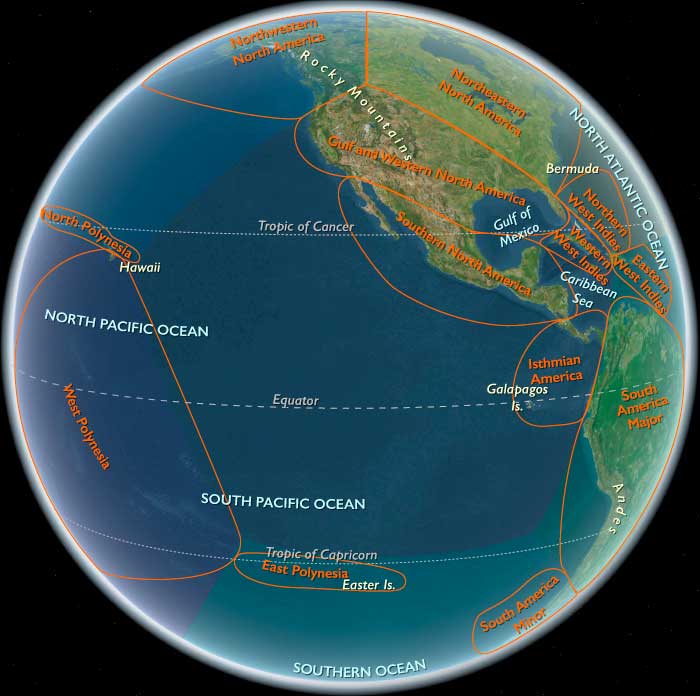
The Far West
View →Related Events
Showing 10 events out of 55 total
Linguistic, cultural and ceramic evidence indicate that the ancestors of the Taíno were Arawak speakers who migrated from the center of the Amazon Basin to the Orinoco valley on the north coast, whence they reached the Caribbean by way of what is now Guyana and Venezuela into Trinidad, migrating along the Lesser Antilles to Cuba and the Bahamian archipelago.
"[DNA] studies confirm that a wave of pottery-making farmers—known as Ceramic Age people—set out in canoes from the north-eastern coast of South America starting some 2,500 years ago and island-hopped across the Caribbean. They were not, however, the first colonizers. On many islands they encountered a foraging people who arrived some 6,000 or 7,000 years ago...The ceramicists, who are related to today's Arawak-speaking peoples, supplanted the earlier foraging inhabitants—presumably through disease or violence—as they settled new islands. (National Geographic, Lawler, Andrew (December 23, 2020). "Invaders nearly wiped out Caribbean's first people long before Spanish came, DNA reveals".
An alternate theory, originated by the late American anthropologist Julian H. Steward, contends that the ancestors of the Taíno diffused from the Colombian Andes to the Caribbean with parallel migrations into Central America and into the Guianas, Venezuela, and the Amazon Basin of South America.
The Arawaks have reached the Greater Antilles (specifically, Puerto Rico) by 200, and have begun to either intermingle with or displace the simple gatherer-society of the Ciboneys.
Venezuela’s Saladoid peoples migrate to the Caribbean Islands after apparently being driven from the Orinoco delta.
The Arawaks, including the largest representative group, the Taíno, have reached the Greater Antilles (specifically, Puerto Rico), and have begun to either intermingle or displace the simple gatherer-society of the Ciboneys.
Of the two schools of thought regarding the origin of the indigenous people of the West Indies, one group contends that the Arawakan ancestors of the Taíno came from the center of the Amazon Basin, subsequently moving to the Orinoco valley.
From there they reached the West Indies by way of Guyana and Venezuela into Trinidad, proceeding along the Lesser Antilles all the way to Cuba and the Bahamian archipelago.
Evidence that supports this theory includes the tracing of the ancestral cultures of these people to the Orinoco Valley and their languages to the Amazon Basin.
The alternate theory, known as the circum-Caribbean theory, contends that the ancestors of the Taíno diffused from the Colombian Andes.
Julian H. Steward, the theory's originator, suggested a radiation from the Andes to the West Indies and a parallel radiation into Central America and into the Guianas, Venezuela and the Amazon Basin.
Taíno culture as documented is believed to have developed in the Caribbean.
The Taíno creation story says that they emerged from caves in a sacred mountain on present-day Hispaniola.
In Puerto Rico, twenty-first-century studies have shown that a high proportion of people have Amerindian mtDNA.
Of the two major haplotypes found, one does not exist in the Taíno ancestral group, so other Native people are also among the genetic ancestors.
Western West Indies (820 – 963 CE): Ostionoid Settlements, Canoe Corridors, and the Western Gateways
Geographic and Environmental Context
The Western West Indies includes Cuba and its surrounding islands, Jamaica, the Cayman Islands, and western Haiti — including Tortuga Island, the Massif du Nord’s western flank, the Gonâve Gulf and Peninsula, and Port-de-Paix as its principal coastal node.
-
Cuba, the largest island in the Caribbean, offered broad alluvial plains (notably in the west and central valleys), karst uplands, and extensive coastlines.
-
Jamaica provided fertile volcanic soils and mountain-fed rivers.
-
Western Haiti, with the Massif du Nord, Gonâve Gulf, and Tortuga, was a crossroads between Hispaniola’s interior valleys and the northern Caribbean sea-lanes.
-
The Caymans, smaller and reef-fringed, offered turtle-rich waters but few permanent settlements in this early period.
Climate and Environmental Shifts
-
Tropical maritime climate, moderated by trade winds, with abundant rainfall in Cuba and Jamaica.
-
Western Hispaniola’s rainfall was variable, with fertile pockets along rivers and more arid rain-shadow zones.
-
Hurricanes periodically struck the northern coasts, shaping settlement dispersal.
Societies and Political Developments
-
Populations belonged to the Ostionoid cultural horizon, precursors to the Taíno.
-
Settlement was organized into hamlets of bohíos with incipient plazas, typically sited on river terraces and coastal flats.
-
Western Haiti (around Port-de-Paix, Tortuga, and the Massif du Nord) served as a canoe embarkation point to Cuba and Jamaica, making it a cultural hinge.
-
Cuba was still sparsely populated in its western reaches but saw growing Ostionoid presence in river valleys.
-
Jamaica’s first substantial Ostionoid settlements appeared in this age, linking it directly to Hispaniola and Cuba.
-
Political organization remained kin-based, with leadership vested in village elders rather than hereditary caciques.
Economy and Trade
-
Conuco horticulture in Cuba, Jamaica, and western Hispaniola produced cassava, sweet potato, beans, peppers, and peanuts.
-
Fishing and hunting: reef and lagoon harvests, turtles, manatees, birds, and small game.
-
Canoe-borne exchange:
-
Western Hispaniola exported cassava bread, stone celts, and cotton thread.
-
Cuba provided hardwoods, shell artifacts, and fertile conuco produce.
-
Jamaica contributed timber, feathers, and small quantities of cassava.
-
Caymans served primarily as turtle-fishing stations within this circuit.
-
Subsistence and Technology
-
Cassava processing used griddles and presses to remove toxins, yielding transportable bread.
-
Conucos (raised-mound fields) enhanced soil fertility.
-
Fishing technology: traps, nets, shell/bone hooks.
-
Canoes: dugouts, some large enough for dozens of paddlers, enabling crossings between Cuba, Jamaica, and Hispaniola.
-
Ceramics: Ostionoid red-on-buff wares with simple incised designs, transitioning toward Meillacoid styles.
Movement and Interaction Corridors
-
Windward Passage: linked western Hispaniola and eastern Cuba.
-
Jamaica Channel: tied Cuba to Jamaica through western Hispaniola nodes.
-
Old Bahama Channel: indirectly connected Cuba and Tortuga with the northern Bahamian banks.
-
Cayman waters: seasonal resource zones within the larger canoe network.
Belief and Symbolism
-
Animist traditions honored zemí spirits of rivers, caves, and fertility.
-
Ritual caves in Cuba and Haiti housed offerings of shell and stone.
-
Ancestor veneration: burials included shell ornaments and ochre.
-
Early ritual seats and carved stones foreshadowed the ceremonial life of later Taíno chiefdoms.
Adaptation and Resilience
-
Dual economies: root-crop horticulture plus reef/turtle harvests buffered communities against storms.
-
Dispersed settlement along multiple coastal nodes reduced vulnerability to hurricanes.
-
Archipelagic exchange ensured that shortages in one zone (e.g., arid Haiti) could be offset by imports from Cuba or Jamaica.
Long-Term Significance
By 963 CE, the Western West Indies had emerged as a canoe crossroads:
-
Western Hispaniola (Port-de-Paix, Tortuga) acted as the hinge between Cuba, Jamaica, and Hispaniola’s north.
-
Cuba and Jamaica saw Ostionoid expansion of conuco horticulture and ritual cave use.
-
Inter-island exchange was consolidating the cultural and economic web that would mature into Taíno cacicazgos by the 11th–12th centuries.
Western West Indies (964 – 1107 CE): Taíno Expansion, Tortuga Gateways, and Cayman Seasonality
Geographic and Environmental Context
-
Anchors: Tortuga–Port-de-Paix (western Haiti), Massif du Nord (western slopes), Gonâve Gulf (island and peninsulas), north–central Cuba (bank fisheries, cays), Jamaica’s leeward plains, and the Cayman Ridge.
Climate and Environmental Shifts
-
Continued warm period supported denser villages and larger gardens, punctuated by hurricane seasons.
-
Lagoon productivity and fertile alluvial pockets in Gonâve and Jamaica sustained surpluses.
Societies and Political Developments
-
Taíno lifeways matured: plaza-centered villages, enlarged bohíos, ritual seats (caneys), and incipient caciquescoordinating labor and exchange.
-
Tortuga–Port-de-Paix consolidated as a trans-shipment node between Massif du Nord valleys and the passages to Cuba and Jamaica.
-
Cayman Islands: seasonal fisheries and salt stations tied to western Hispaniola and Cuba; no permanent chiefdoms.
Economy and Trade
-
Conuco intensification: cassava dominant; maize, aji peppers, sweet potato, peanuts, and cotton expanded.
-
Inter-island traffic: cassava breads, cotton cloth, polished celts, and zemí carvings; turtles, dried fish, and sea salt from Cayman/Tortuga circuits.
Belief and Symbolism
-
Zemí shrines multiplied; ballcourts (bateyes) appeared as ritual–diplomatic spaces; cohoba (vision snuff) began to mark chiefly rites.
Long-Term Significance
By 1107, a Taíno western network cohered: Cuba–Jamaica–western Haiti linked by Tortuga–Port-de-Paix and the Gonâve Gulf, with Caymans provisioning the fish–salt leg of the salt–fish–cassava system.
Western West Indies (1108 – 1251 CE): Chiefly Hierarchies, Jamaica’s Growth, and the Western Triangle
Geographic and Environmental Context
Western West Indies includes Cuba and its surrounding islands, Jamaica, the Cayman Islands, and western Haiti — Tortuga Island, the Massif du Nord’s western flank, the Gonâve Gulf, the Gonâve Peninsula (and Île de la Gonâve), the western Tiburon Peninsula (including Île à Vache), with Port-de-Paix as the principal coastal node.
-
Anchors: Cibao spillover into Massif du Nord (west), Tortuga–Port-de-Paix hub, Gonâve Gulf & Île de la Gonâve, Jamaica’s coastal plains and interior valleys, north–central Cuba’s lagoon shelves, Cayman Islands.
Climate and Environmental Shifts
-
Warm centuries allowed population growth and agricultural surplus; hurricanes remained a structuring hazard.
Societies and Political Developments
-
Cacicazgos (chiefdoms) consolidated in western Haiti and Jamaica; Cuba’s river basins filled with ranked villages.
-
Port-de-Paix operated as a chiefly entrepôt, managing tribute and canoe convoys across the Windward Passage.
-
Caymans: salt–turtle seasonality under chiefly oversight from larger islands.
Economy and Trade
-
Staples: cassava breads, maize, beans; cotton cloth rose as a prestige currency.
-
Exports (per exchange): turtles and salt (Cayman/Tortuga), fish (all coasts), zemí and duho carvings (Cuba/Haiti).
-
Canoe caravans ran regular circuits: Port-de-Paix ⇄ Jamaica ⇄ Cuba, with Gonâve as a provisioning roadstead.
Belief and Symbolism
-
Zemí cults legitimated chiefly claims; batey games and cohoba rites formalized diplomacy and succession; caves and springs remained sacred loci.
Long-Term Significance
By 1251, the western triangle (Cuba–Jamaica–western Haiti) functioned as a hierarchized archipelagic economy, with Port-de-Paix/Tortuga managing the sea-lanes and Cayman stations supplying salt and turtle meat.
The Taíno (”good people”), an Arawakan group, populate Quisqueya, their name for the island presently known as Hispaniola. (An alternate name is Ayiti, meaning ”mountainous place”.)
Their Ciboney predecessors, an Arawakan people with lower technology, become concentrated in the west.
The Taíno practice a high-yielding form of slash-and-burn agriculture to grow their staple foods, cassava and yams.
Corn (maize), beans, squash, tobacco, peanuts (groundnuts), and peppers are also grown, and wild plants are gathered.
Birds, lizards, and small animals are hunted for food, the only domesticated animals being dogs and, occasionally, parrots used to decoy wild birds within range of hunters.
Fish and shellfish are another important food source.
Taíno settlements range from single families to groups of three thousand people, and houses are built of logs and poles with thatched roofs.
Men wear loincloths, and women wear aprons of cotton or palm fibers.
Both sexes paint themselves red on special occasions, and they wear earrings, nose rings, and necklaces, which are sometimes made of gold.
Other Taíno crafts are few; some pottery and baskets are made, and stone and wood are worked skillfully.
A favorite form of recreation among the Taíno is a ball game that they play on rectangular courts.
The Taíno follow an elaborate system of religious beliefs and rituals that involve the worship of spirits (zemis) by means of carved representations.
They also have a complex social order.
Their government is by hereditary chiefs and subchiefs, and there are classes of nobles, commoners, and serfs (or slaves).