
South Central Europe (1984–1995 CE) Late Cold…
1984 CE to 1995 CE
South Central Europe (1984–1995 CE)
Late Cold War Stability, EU Integration Pressures, and Environmental Agreements
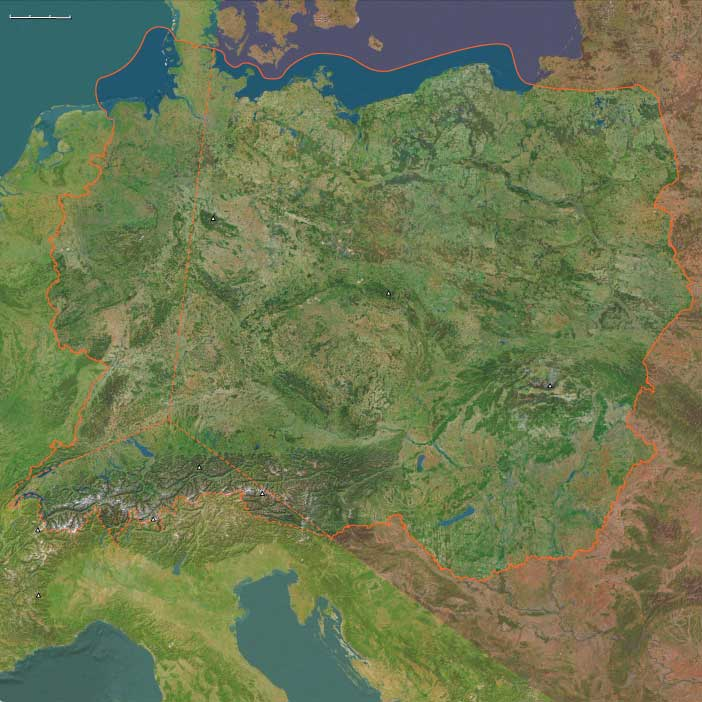
Geographic scope: Liechtenstein; most of Switzerland (excluding the far northwest); the extreme southern parts of Germany (southeastern Baden-Württemberg, southwestern Bavaria); and southwestern Austria—Vorarlberg, Tyrol, and Carinthia.
Environmental and Land Use
-
Alpine Convention groundwork: Discussions on cross-border environmental management in the Alps begin in the late 1980s, setting the stage for the 1991 Alpine Convention signed in Salzburg.
-
Transit pollution concerns: Growing freight traffic through the Gotthard and Brenner corridors heightens worries over air quality, noise, and glacier retreat.
-
Lake rehabilitation continues: Bodensee water quality improvements yield measurable gains in biodiversity; Swiss Plateau lakes benefit from wastewater-treatment upgrades.
Politics and Society
-
Switzerland: Maintains neutrality but faces debates over EFTA participation vs. closer EU integration. In 1992, Swiss voters reject European Economic Area (EEA) membership, affirming a cautious approach to European integration.
-
Liechtenstein: Deepens financial-sector regulation to align with European standards, joins the EEA in 1995.
-
West Germany → Reunified Germany: The Allgäu and Bodensee areas experience infrastructural upgrades and benefit from post-reunification economic expansion.
-
Austria: Pursues EEA membership in 1994 and joins the European Union in 1995, with Vorarlberg, Tyrol, and Carinthia adapting to new EU frameworks.
Economy and Infrastructure
-
Tunnel and rail projects: Planning intensifies for new Alpine rail tunnels (Gotthard Base Tunnel concept, Brenner Base Tunnel studies).
-
Tourism diversification: Resorts expand summer offerings (hiking, cultural festivals) alongside winter sports.
-
Finance and services: Zürich, Geneva, and Vaduz consolidate positions as niche global financial hubs.
-
Manufacturing modernization: Precision engineering, textiles, and high-value manufacturing benefit from automation and cross-border supply chains.
Culture and Everyday Life
-
Cross-border cultural zones: EU cultural funding in Austria boosts Alpine heritage programs; Bodensee region builds on shared festivals and museum networks.
-
Media and transport integration: Cross-border radio/TV signals and growing highway connectivity reduce cultural isolation in mountain valleys.
Security and Risk
-
Transit safety and hazards: Focus on avalanche protection, landslide mitigation, and dangerous-goods regulations for Alpine tunnels.
-
Environmental diplomacy: The Alpine Convention’s protocols on spatial planning, conservation, and sustainable tourism gain momentum toward the mid-1990s.
Groups
Topics
Commodities
Regions
Central Europe
View →Subregions
