
Mesa Verde National Park Montezuma Colorado United States
52 CE to 63 CE
Worlds
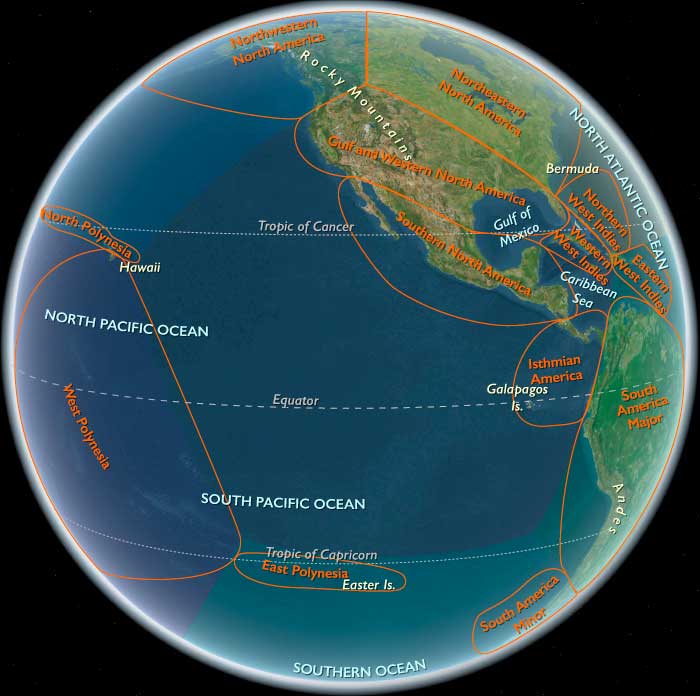
The Far West
View →Related Events
Showing 2 events out of 2 total
The people of the Pueblo culture called Late Basket Maker II live from some time after CE 50 in caves and shallow pithouses at a site in southwestern Colorado, about twenty-eight miles (forty-five kilometers) west of Durango, later called Mesa Verde (Spanish: "green table") after the park's typical land formations of steep rock walls and flat tops, or mesas.
The Basket Makers of this period cultivate gardens of maize (flint corn in particular) and squash, but no beans.
They use manos and metates to grind corn, which they store in primitive bins.
They make baskets but have no pottery.
Evidence suggests that at this stage the beginning of a religious and decision-making structure has already developed.
Shamanistic cults exist and petroglyphs and other rock art seem to indicate a ceremonial structure as well.
Groups appear to be increasingly linked into larger-scale decision-making bodies.
A member of a prominent Colorado ranching family, Wetherill is an amateur explorer in the discovery, research and excavation of sites associated with the Ancient Pueblo People.
He is credited with the discovery of Cliff Palace in Mesa Verde and is responsible for initially selecting the term Anasazi, Navajo for ancient enemies, as the name for these ancient people.