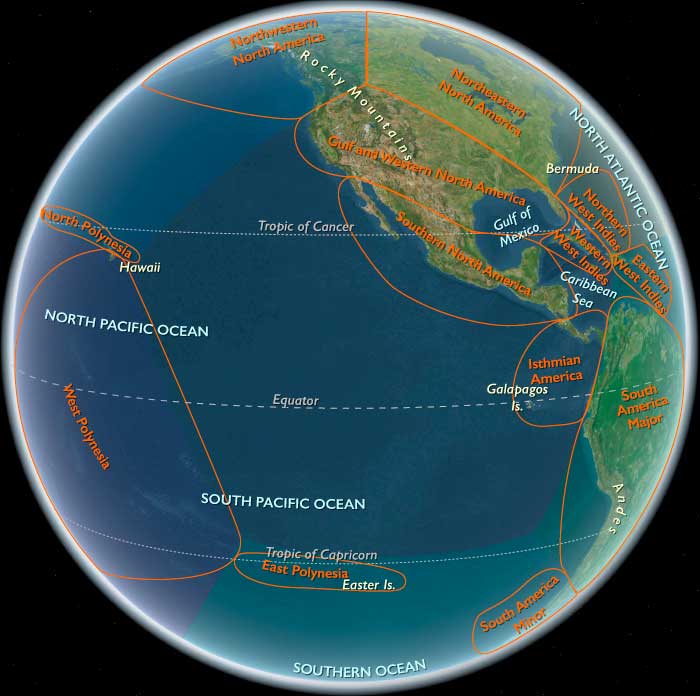
Primitive habitation sites along the shore of prehistoric Lake Lahontan, which covers much of northwestern Nevada, extending into northeastern California and southern Oregon, bear archaeological evidence dating from the end of the ice age when its shoreline is approximately five hundred feet (one hundred and fifty meters) higher along the sides of the surrounding mountains.
The Paleo-Indians of the semiarid Great Basin live a simple foraging existence from at least 8000 BCE.
Families scatter in summer in search of sparse food, regrouping in fall and winter for festivals and rabbit hunts.