The Muslim Conquest of Iberia (711–716 CE)
In 711 CE, a Muslim army led by Tariq ibn Ziyad invades the Iberian Peninsula, launching a campaign that rapidly dismantles Visigothic rule.
The Fall of the Visigothic Kingdom
The last Visigothic king, Rodrigo, attempts to resist the invasion but suffers a decisive defeat. The Muslims advance swiftly, capturing Córdoba before moving on to Toledo, the Visigothic capital.
The final Visigothic stronghold, Mérida, holds out for an extended siege but ultimately falls in June 713.
The Complete Conquest of Hispania
In the spring of 714, a Muslim force under Musa ibn Nusair marches through Saragossa, León, and Astorga, further consolidating control over northern and central Iberia. By 716, they capture key cities in present-day Portugal, including:
- Évora,
- Santarém, and
- Coimbra.
The Last Christian Stronghold: Asturias
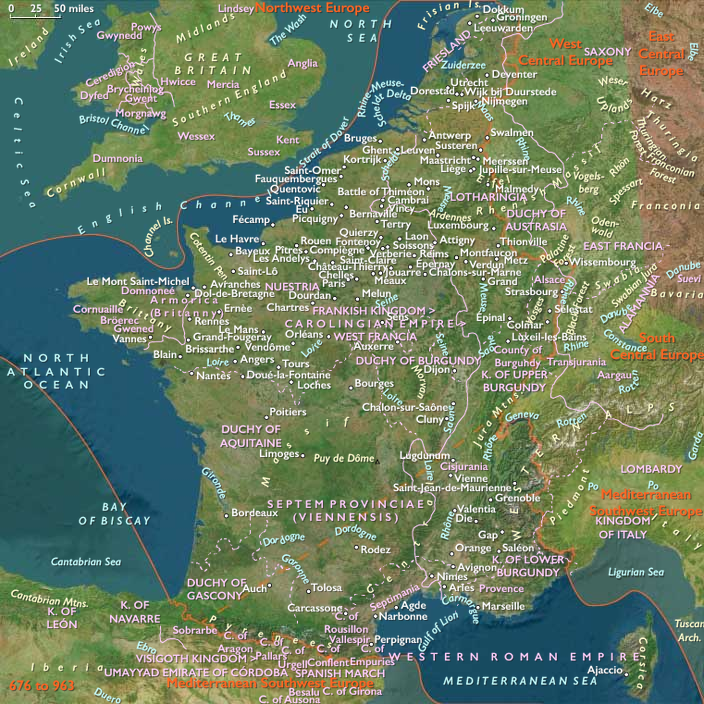
Within just five years, Muslim forces conquer and occupy nearly the entire Iberian Peninsula. The only remaining Christian-controlled territory is a small, mountainous region in the extreme northwest, known as Asturias, where resistance will continue.
This marks the beginning of Muslim rule in Iberia, establishing Al-Andalus, which will endure for centuries.