Carol I of Romania
King of the Romanians
Years: 1828 - 1911
Carol I (20 April 1839 – 27 September (O.S.)
/ 10 October (N.S.)
1914), born Prince Karl of Hohenzollern-Sigmaringen, is the ruler of Romania from 1866 to 1914.
He is elected ruling prince (Domnitor) of the Romanian United Principalities on 20 April 1866 following the overthrow of Alexandru Ioan Cuza by a palace coup.
Following the defeat of the Ottoman Empire in the Russo-Turkish War, he declares Romania a sovereign nation in 1878 (the country had been under the nominal suzerainty of the Ottoman Empire until then).
He is proclaimed King of Romania on 26 March [O.S.
14 March] 1881.
He is the first ruler of the Hohenzollern-Sigmaringen dynasty, which rules the country until the proclamation of a republic in 1947.
During his reign, he personally leads Romanian troops during the Russo-Turkish War and assumes command of the Russo/Romanian army during the siege of Plevna.
The country achieves full independence from the Ottoman Empire (Treaty of Berlin, 1878) and acquires the Cadrilater from Bulgaria in 1913.
Domestic political life, still dominated by the country's wealthy landowning families organized around the rival Liberal and Conservative parties, wis punctuated by two widespread peasant uprisings, in Wallachia (the southern half of the country) in April 1888 and in Moldavia (the northern half) in March 1907.
He marries Elisabeth of Wied in Neuwied on 15 November 1869.
They only have one daughter, Maria, who dies aged three.
Carol never produces a male heir, leaving his elder brother Leopold next in line to the throne.
In October 1880, Leopold renounces his right of succession in favor of his son William, who in turn surrenders his claim six years later in favor of his younger brother, the future king Ferdinand.
Related Events
Filter results
Showing 10 events out of 32 total
Southeast Europe (1828–1971 CE)
Empires in Retreat, Nations in Rebirth, and Frontiers Between Worlds
Geography & Environmental Context
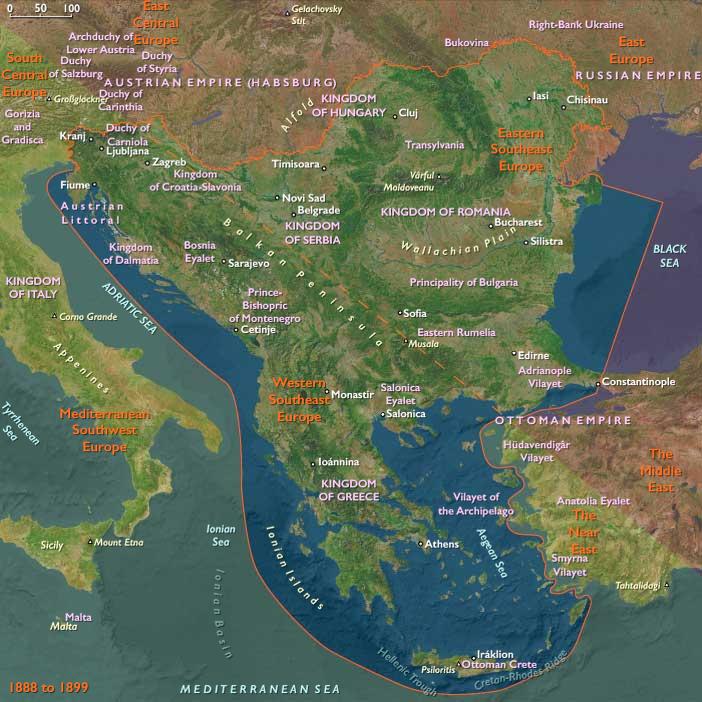
Southeast Europe includes two fixed subregions:
-
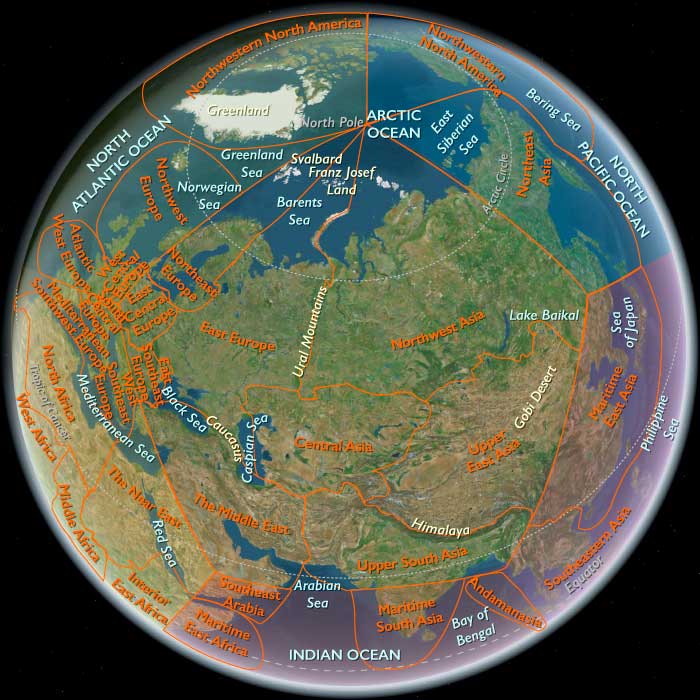
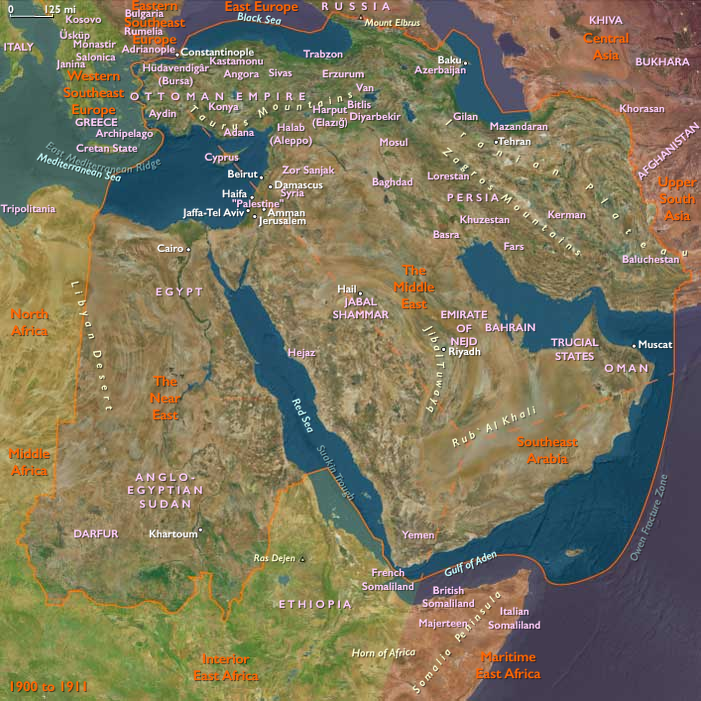
Eastern Southeast Europe — Romania, Moldova, Bulgaria (except the southwestern portion), northeastern Serbia, northeastern Croatia, extreme northeastern Bosnia and Herzegovina, modern-day Moldova, and the European side of Turkey, including Istanbul.
-
Western Southeast Europe — Greece, Albania, Montenegro, North Macedonia, Kosovo, most of Bosnia and Herzegovina, most of Croatia, southwestern Serbia, and the Adriatic and Aegean coasts facing the Mediterranean.
Anchors include the Balkan Mountains, Carpathians, Danube River, Aegean, Adriatic, and Black Sea coasts, as well as key cities such as Istanbul, Bucharest, Sofia, Athens, Belgrade, Sarajevo, and Thessaloniki. The subregion links central Europe to the eastern Mediterranean and Anatolia — a crossroads of empires, faiths, and ideologies.
Climate & Environmental Shifts
The region’s temperate continental and Mediterranean climates supported mixed agriculture and mountain pastoralism. Deforestation and erosion increased through the 19th century as railways and timber exports expanded. Flooding along the Danube and its tributaries required early engineering works. Twentieth-century industrialization and urbanization accelerated pollution but also brought reforestation and hydroelectric projects. Coastal areas remained vulnerable to earthquakes and drought, while inland winters could be severe.
Subsistence & Settlement
-
Agrarian life dominated until mid-20th century, with cereals, vines, olives, and livestock central to rural economies. Peasant communities balanced subsistence with market sales under Ottoman, Habsburg, and later national administrations.
-
Urban centers such as Athens, Belgrade, Sofia, Bucharest, and Istanbul expanded as administrative and industrial capitals. Port cities—Salonika (Thessaloniki), Constanța, Dubrovnik, and Trieste—thrived on Mediterranean and Black Sea trade.
-
After World War II, socialist land reforms and collectivization reshaped rural life; industrial towns multiplied along river corridors and mining basins (e.g., Nis, Ploiești, Varna).
-
Tourism and migration to Western Europe after 1950 introduced remittances and urban growth on the coasts.
Technology & Material Culture
Railways, bridges, and telegraphs of the 19th century tied the Balkans to European networks. Textile mills, shipyards, and munitions factories developed under both Ottoman and Habsburg influence. Twentieth-century modernization brought hydropower dams, concrete housing blocks, and expanding road systems. Material culture reflected blending: Ottoman bazaars stood beside neoclassical and socialist architecture; folk crafts, Orthodox icons, and Islamic calligraphy persisted as living art forms.
Movement & Interaction Corridors
-
Trade and migration followed the Danube, Adriatic, and Aegean routes linking inland markets to seaports.
-
Pilgrimage and faith networks connected Orthodox monasteries on Mount Athos with Slavic and Greek communities; Muslim routes linked Sarajevo and Istanbul.
-
Labor migrations carried Balkan workers to Vienna, Paris, and later Germany and Switzerland.
-
Military corridors—from the Crimean and Balkan Wars to both World Wars—crossed the peninsula repeatedly, leaving deep scars on settlements and memory.
Cultural & Symbolic Expressions
National revivals defined the century: Romantic historians, philologists, and poets reasserted Slavic, Greek, Albanian, and Romanian identities. Orthodox Christianity, Catholicism, and Islam coexisted, often in tension but also in hybrid traditions. Literature and art—Vuk Karadžić’s language reforms, Ion Luca Caragiale’s satires, Nikola Tesla’sinnovations, Nikos Kazantzakis’s epics—bridged folk and modernist sensibilities. Music and dance, from Byzantine chant to sevdah and rebetiko, expressed cultural resilience. After 1945, socialist realism and modernism merged in film, muralism, and architecture.
Environmental Adaptation & Resilience
Mountain terraces and transhumance persisted into the 20th century. Drainage projects reclaimed wetlands along the Danube and Thessaly Plain. Postwar collectivization altered traditional landholding but expanded irrigation. Coastal regions diversified into fishing and tourism; interior highlands relied on remittances and forest products. Hydroelectric and reforestation projects mitigated erosion, though industrial pollution rose near new mining and chemical centers.
Political & Military Shocks
-
Ottoman decline and independence: Greece (independence 1830), Serbia and Romania (recognized 1878), Bulgaria (autonomous 1878, independent 1908), and Albania (1912) emerged from imperial rule.
-
Balkan Wars (1912–13) redrew frontiers; Ottoman Europe contracted to Istanbul and Eastern Thrace.
-
World War I: Sparked by the assassination in Sarajevo (1914), it devastated the region and dissolved empires.
-
Interwar instability: Ethnic minorities, border disputes, and authoritarian monarchies dominated.
-
World War II: Axis occupation and resistance movements (notably Tito’s Partisans in Yugoslavia, the Greek Resistance) reshaped politics.
-
Postwar socialism and division: Yugoslavia under Josip Broz Tito pursued independent socialism; Bulgaria, Romania, and Albania aligned with the Soviet bloc; Greece experienced civil war (1946–49) and joined NATO (1952).
-
Cold War era: The Iron Curtain cut through the Balkans; Yugoslavia balanced East and West, hosting the Non-Aligned Movement (1961); Bulgaria and Romania industrialized under Soviet models; Greece rebuilt under Western alliances and endured military dictatorship (1967–74, partially beyond our range).
Transition
Between 1828 and 1971, Southeast Europe moved from imperial frontier to a complex patchwork of nation-states, socialist republics, and contested borderlands. Independence movements, world wars, and ideological divides repeatedly redrew its map. Ottoman bazaars and Byzantine monasteries gave way to factories, collective farms, and concrete housing blocks. Yet, amid wars and revolutions, cultural synthesis persisted: Orthodox chants, sevdah songs, and folk embroidery survived in socialist festivals and tourist markets alike. By 1971, the peninsula was once again at Europe’s fault line—its peoples navigating between memory and modernity, nationalism and integration, the Mediterranean and the East.
Eastern Southeast Europe (1828–1971 CE): From Ottoman Provinces to Socialist Republics and Cold War Faultlines
Geography & Environmental Context
Eastern Southeast Europe includes Turkey-in-Europe (Istanbul/Constantinople and Thrace), Thrace-in-Greece, all of Bulgaria (except the southwest), northeastern Serbia, northeastern Croatia, extreme northeastern Bosnia and Herzegovina, and all of modern Moldova and Romania. Anchors include the Danube River corridor (Iron Gates, the Wallachian plain, the Delta), the Balkan Mountains (Stara Planina), the Rhodope foothills, the Dobrudja steppe, and the Black Sea ports (Constanța, Varna, Burgas). The region also encompasses major cities such as Istanbul, Bucharest, Sofia, Belgrade, Zagreb, Chișinău, and Iași.
Climate & Environmental Shifts
The region sits between continental and Mediterranean zones. Harsh winters in the Danube plain alternated with drought-prone summers, especially in Dobrudja and eastern Bulgaria. The Danube’s flooding cycles challenged settlements until large-scale river control projects in the 19th and 20th centuries. The 20th century brought irrigation, drainage of marshlands, and damming (e.g., the Iron Gates hydroelectric project, 1964–71). Agricultural collectivization after 1945 transformed landscapes, replacing small peasant plots with mechanized state farms.
Subsistence & Settlement
-
19th century:
-
The Danubian plains of Wallachia, Moldavia, and Bulgaria produced wheat, maize, and livestock for export through Black Sea ports.
-
Vineyards, orchards, and tobacco fields dotted Thrace and the Bulgarian lowlands.
-
Istanbul remained an imperial metropolis, provisioning itself from the Thracian hinterlands.
-
-
20th century:
-
Under socialism, collectivized farms in Romania and Bulgaria mechanized cereal, maize, and sunflower cultivation.
-
Industrialization accelerated in cities like Bucharest, Sofia, and Varna.
-
Black Sea fisheries and ports (Constanța, Varna, Burgas) expanded as hubs of trade, energy, and tourism.
-
Technology & Material Culture
-
Transport: 19th-century railways tied Bucharest, Sofia, and Constanța to Vienna and Istanbul. After WWII, highways, electrification, and hydro dams modernized the region.
-
Industry: From the late 19th century, oil in Romania (Ploiești), textiles in Bulgaria, and shipyards on the Black Sea were developed. By the 1960s, heavy industry (steel, chemicals, machinery) dominated socialist economies.
-
Everyday life: Villages retained traditional Orthodox churches, Ottoman-style houses, and folk crafts until mid-20th-century collectivization introduced apartment blocks and standardized housing. Radios and televisions spread after 1950.
Movement & Interaction Corridors
-
Danube River: The artery linking Vienna, Belgrade, and the Black Sea, carrying grain, timber, and later oil.
-
Caravan & rail: Ottoman caravan trails gave way to 19th-century railways (e.g., Bucharest–Giurgiu line, 1869).
-
Black Sea: Ports exported grain, oil, and industrial products to Mediterranean and global markets.
-
Labor and migration: Peasants moved to towns during industrialization; after WWII, rural depopulation accelerated as cities absorbed labor for factories.
Cultural & Symbolic Expressions
-
Religion: Orthodoxy dominated in Romania and Bulgaria; Islam retained influence in Thrace; Catholic enclaves persisted in Croatia and Bosnia. Churches and mosques coexisted uneasily, often politicized in nationalist discourse.
-
Nationalism:
-
Romanian and Bulgarian revivals in the 19th century emphasized language, folklore, and Orthodox faith.
-
Revolutionaries in 1848, independence fighters in the Russo-Turkish War (1877–78), and Balkan wars (1912–13) created heroic pantheons.
-
-
Modern culture: Interwar Bucharest earned the nickname “Paris of the East.” Socialist regimes after 1945 promoted workers’ culture, folk dance troupes, and monumental architecture while censoring dissent.
Environmental Adaptation & Resilience
-
Agrarian cycles: Crop rotation, terracing, and pastoralism provided resilience until collectivization.
-
River control: Drainage of the Danube marshes in Romania and Bulgaria reclaimed farmland and reduced malaria.
-
Social welfare: After WWII, socialist states subsidized food, housing, and education, cushioning shocks but reducing household autonomy.
Political & Military Shocks
-
1828–1878: Russo-Turkish Wars and nationalist uprisings freed Romania, Bulgaria, and Serbia from Ottoman rule.
-
1878 Berlin Congress: Established Romania, Serbia, and Bulgaria as independent or autonomous; left Thrace and Macedonia under Ottoman control.
-
Balkan Wars (1912–13): Bulgaria and Romania fought over Macedonia and Dobruja; territorial shifts embittered neighbors.
-
World War I: Romania and Bulgaria fought on opposing sides; Dobruja and Transylvania contested.
-
Interwar: Authoritarian monarchies and peasant movements shaped politics.
-
World War II: Romania allied with Axis, Bulgaria with Axis but resisted deporting Jews, while Yugoslav and Greek partisans fought German occupation.
-
1944–48 Soviet expansion: Romania and Bulgaria absorbed into the Soviet bloc, establishing one-party socialist states; purges, collectivization, and repression followed.
-
Cold War: Eastern Southeast Europe became a Warsaw Pact frontier with NATO’s Turkey and Greece; heavy militarization and ideological control lasted through 1971.
Transition
Between 1828 and 1971, Eastern Southeast Europe transformed from Ottoman provinces into independent kingdoms, then into Soviet-aligned socialist republics. The Danube and Black Sea tied the region into global grain and oil markets in the 19th century, while nationalism redrew maps through wars and uprisings. After 1945, industrialization, collectivization, and Soviet patronage reshaped economies and societies. By 1971, Romania and Bulgaria were deeply embedded in the socialist bloc, while Thrace and Istanbul marked the border between NATO and the Warsaw Pact—this subregion now firmly a faultline of the Cold War world.
Eastern Southeast Europe (1864–1875 CE): Cultural Revival, National Movements, and Pre-Independence Turmoil
Settlement and Migration Patterns
Hungarian and Serbian Territorial Realignments
Austria-Hungary returned Vojvodina, home to a significant Serbian population, to Hungarian control following the establishment of the Dual Monarchy in 1867. This administrative shift stirred ethnic tensions and political instability, as Hungarian authority once again attempted to assert dominance over non-Magyar populations.
Economic and Social Developments
Infrastructure and Economic Growth in the Danubian Principalities
In Romania, significant strides were made toward economic unification and modernization. The dismantling of customs barriers between Wallachia and Moldavia in the late 1840s set the stage for deeper integration. Economic progress continued under Prince Alexandru Ioan Cuza, who implemented essential infrastructure projects and agrarian reforms, though these measures were only partially successful due to entrenched boyar interests.
Cultural and Artistic Developments
Bulgarian National Revival
The Bulgarian cultural renaissance accelerated dramatically during this period. Dobri Chintulov and other literary figures produced influential works in modern Bulgarian, fueling national consciousness. Education expanded rapidly with the establishment of schools teaching in Bulgarian, notably in Gabrovo under Neofit Rilski, and the opening of schools for girls in cities like Pleven. The growth of Bulgarian-language publications and the formation of cultural institutions such as the chitalishte greatly contributed to the rise of a distinct national identity.
Serbian Literary and Cultural Awakening
Serbian national identity was similarly invigorated by scholars such as Vuk Karadžić and Dositej Obradović, who revitalized the Serbian language, folklore, and literature. Their work significantly strengthened Serbian cultural nationalism and intellectual life, creating a foundation for future national aspirations.
Intellectual and Religious Developments
Bulgarian Ecclesiastical Autonomy
The struggle for ecclesiastical independence reached a climax in 1870 when the Ottoman Sultan officially declared the Bulgarian Orthodox Church a separate exarchate, ending centuries of Greek Patriarchate dominance. This ecclesiastical autonomy became a critical milestone in Bulgaria's national consolidation, symbolizing the political and cultural separation from Greek and Ottoman influences.
Emergence of the Young Ottoman Movement
The Young Ottoman movement gained prominence among Western-oriented Ottoman intellectuals who sought reform through adopting European political models. Their advocacy for constitutional government and national integration significantly influenced Ottoman reform efforts and the broader political discourse within the empire.
Political Dynamics and Regional Rivalries
Revolts and Revolutionary Activities in Bulgaria
Bulgarian revolutionary activities intensified, spearheaded by figures such as Georgi Rakovski, Vasil Levski, and Liuben Karavelov. Their efforts culminated in the formation of the Bulgarian Revolutionary Central Committee (BRCC), which coordinated revolts against Ottoman rule, notably the September Uprising of 1875. Although these revolts were initially unsuccessful, they drew international attention to Bulgaria's plight and set the stage for greater involvement by external powers.
Romanian Political Developments
Political turbulence marked Prince Alexandru Ioan Cuza’s final years due to his increasingly unpopular reforms and perceived corruption, culminating in his forced abdication in 1866. His successor, the German-born Prince Carol I, instituted a constitutional monarchy, modernized the administration, and significantly advanced infrastructure projects, including railway construction.
International Rivalries and the Eastern Question
The weakening Ottoman Empire continued to be a central concern in European diplomacy, with Britain and France intervening to counterbalance Russian influence. This geopolitical maneuvering intensified as nationalist movements within Ottoman territories grew stronger, setting the stage for the significant territorial and political rearrangements soon to come.
Key Historical Events and Developments
-
Establishment of the Dual Monarchy (Austria-Hungary) in 1867, returning Vojvodina to Hungarian control.
-
Official recognition of the Bulgarian Orthodox Church as a separate entity in 1870.
-
Revolutionary efforts in Bulgaria, particularly the BRCC and the September Uprising of 1875.
-
Forced abdication of Prince Alexandru Ioan Cuza (1866) and subsequent ascension of Prince Carol I.
Long-Term Consequences and Historical Significance
This era laid critical foundations for Eastern Southeast Europe's subsequent political and national transformations. Cultural and religious movements bolstered national identities, while revolutionary activities against Ottoman rule highlighted the region’s growing instability, directly influencing the dramatic territorial and political shifts that occurred in the following decades.
Ion Bratianu, the leader of Romania's Liberals, with the tacit support of Napoleon III, nominates Prince Charles of southern Germany's Hohenzollern-Sigmaringen family as the new prince.
Over objections from the other European powers, the Romanians elect the twenty-seven-year-old prince, who, disguised as a salesman, travels through Austria by second-class rail and steamboat to accept the throne.
The Franco-Prussian War in 1870 precipitates a political crisis as Francophile Liberal Party members denounce Romania's German prince.
In August, pro-French activists lead an abortive revolt against Charles at Ploiesti.
Although the government quickly suppresses the uprising, a jury acquits the leaders.
A scandal erupts when a Prussian-Jewish contractor bungles construction of key Romanian rail links and defaults on interest payments to Prussian bondholders; the Liberals denounce Charles for pledging to back the bonds.
In March 1871 the Bucharest police look on as an angry crowd attacks a hall in which Germans have gathered to celebrate Prussian war victories.
A day later, Charles hands his abdication to the regents who had installed him.
They persuade the prince to remain on the throne, however, and muster conservative forces to support him.
Charles (1866-1914) works to provide Romania with efficient administration.
In July 1866, the principality gains a new constitution that establishes a bicameral legislature, gives the prince power to veto legislation, proclaims equality before the law, and contains guarantees of freedom of religion, speech, and assembly.
Most of the constitution's civil-rights provisions, however, are not enforced, and it extends voting rights only to the landed aristocracy and clergy.
The document also limits naturalization to Christians, a measure aimed at denying civil rights to Jews living in or migrating to the principality.
The Romanian Orthodox Church becomes the official state religion.
Charles, a Roman Catholic, pledges to raise his successor in the Romanian Orthodox Church.
Cuza’s foes unite to force his abdication.
On February 23, 1866, army officers loyal to the country’s leading boyars awaken Cuza and his mistress, force the prince to abdicate, and escort him from the capital.
The next morning, street placards in Bucharest announce the prince's departure and rule by a regency pending the election of a foreign prince.
With the tacit support of Napoleon III, Ion Bratianu, the leader of Romania's Liberals, nominates as the new prince the French emperor’s twenty-seven-year-old cousin, Prince Karl of southern Germany's Hohenzollern-Sigmaringen family.
Over objections from the other European powers, the Romanians elect by plebiscite the prince, who, disguised as a salesman, travels through Austria by second-class rail and steamboat to accept the throne.
Karl’s reign in Romania, as Prince Carol I, coincides with new achievements in nation building: a constitution, based in large part on Western models, is promulgated on July 1, 1866; it establishes a bicameral legislature, gives the prince power to veto legislation, proclaims equality before the law, and contains guarantees of freedom of religion, speech, and assembly.
Most of the constitution's civil-rights provisions, however, are not enforced, and it extends voting rights only to the landed aristocracy and clergy.
The document also limits naturalization to Christians, a measure aimed at denying civil rights to Jews living in or migrating to the principality.
The Romanian Orthodox Church becomes the official state religion.
Carol, a Roman Catholic, pledges to raise his successor in the Romanian Orthodox Church.
The Romanian Parliament votes in September 1866 for the construction of a nine hundred and fifteen kilometer railway, from Varciorova in the south to Roman in the north, via the important population centers of Pitesti, Bucharest, Buzua, Braila, Galati and Tecuci, and contracted to the German Strousberg consortium for the price of two hundred and seventy thousand golden francs per kilometer.
Émigré Bulgarians Lyuben Karavelov and Vasil Levski create a Bulgarian Secret Central Committee in Bucharest in 1866 to prepare for a national uprising.
These ideologues refine Georgi Sava Rakovski's idea of armed revolutionary groups, creating a cadre of intellectuals who will prepare the people to rise for independence.