
Emperor Tenmu
Emperor of Japan
631 CE to 686 CE
Emperor Tenmu (c. 631 – October 1, 686) is the 40th emperor of Japan, according to the traditional order of succession.
Tenmu's reign lastesfrom 672 until his death in 686.
World
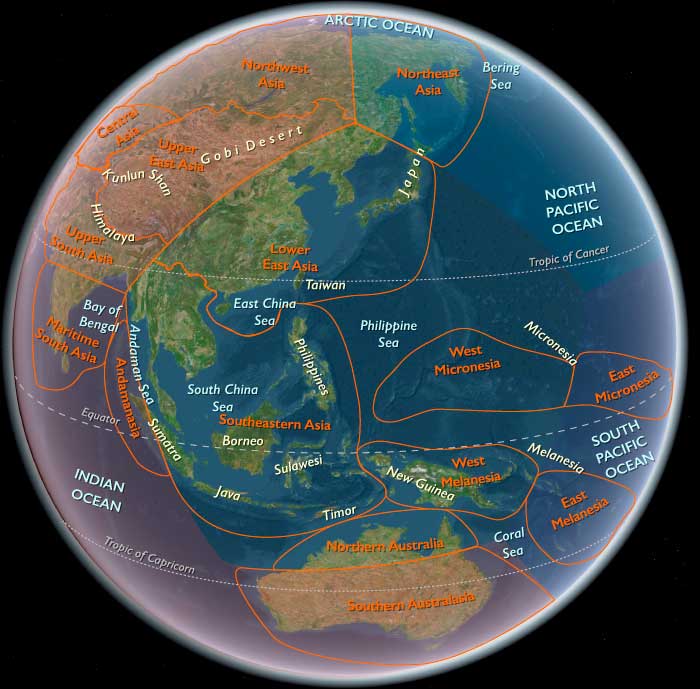
The Far East
View →Related Events
Showing 8 events out of 8 total
Naka assumes the position of minister of the center, and Kamatari is granted a new family name—Fujiwara—in recognition of his great service to the imperial family.
Fujiwara Kamatari becomes the first in a long line of court aristocrats.
Another, long-lasting change is the use of the name Nippon or Nihon, or sometimes Dai Nippon (Great Japan) in diplomatic documents and chronicles.
Following the reigns of Naka's uncle and mother, Naka assumes the throne as Emperor Tenji in 662, taking the additional title tenno (heavenly sovereign).
This new title is intended to improve the Yamato clan's image and to emphasize the divine origins of the imperial family in the hope of keeping it above political frays, such as those precipitated by the Soga clan.
Within the imperial family, however, power struggles continue as the emperor's brother and son vie for the throne.
The brother, who later reigns as Emperor Temmu, consolidates Tenji's reforms and state power in the imperial court.
A succession dispute in Japan breaks out in 672 following the death of Emperor Tenji.
The name refers to the jinshin or ninth year of the sixty-year Jikkan Jinishi calendrical cycle, corresponding to the Western year 673.
Tenji had originally designated his brother, Prince Oama as his successor, but later changes his mind in favor of his son Prince Otomo, who takes the throne as Emperor,
Otama reigns for less than a year during the course of the violence that erupts as a result of factional rivalries before taking his own life.
His uncle Oama succeeds to the throne as the Emperor Temmu.
Naka-no-Oe takes over the Japanese government and in 668 becomes Emperor Tenji (Tenchi).
Upon his death in 671, his elder brother, Prince Otomo, is placed on the imperial throne by the aristocratic Nakatomi and Soga clans, who had opposed Tenji’s attempts to centralize the government.
Otomo, on his installation as emperor, is challenged by Tenji’s son Prince Oama who, to avoid assassination by supporters of the Otomo, had escaped to a temple in the Yoshino Mountains two years earlier and become a Buddhist priest.
Emperor Kōbun reigns briefly as emperor of Japan, followed by his uncle Emperor Temmu who overthrows his nephew in a brief but violent conflict called the Jinshin War.
Prince Oama raises an army, then engages Otomo’s forces outside his capital in Omi province (present Shiga prefecture), scoring a decisive victory in 672.
Otomo commits suicide following the defeat of his forces in the war of imperial succession, called Jinjshin-no-ran in Japan, and Oama becomes Emperor Temmu Tenno.
He establishes his capital at Asuka in Yamato province (present-day Nara prefecture), a safe distance from the seats of Nakatomi and Soga power.
Japan’s Emperor Temmu promulgates a decree about taxes from fiefs and the employment of persons for the service from the outer provinces.
Men of distinguished ability are allowed to enter the service, even though they are of the common people, regardless of their ranks.
Emperor Temmu issues a decree in 682 forbidding the Japanese-style cap of ranks and garments, and changing them into Chinese ones.
He also makes a decree forbidding men to wear leggings and women to let down their hair on their backs.
It is from this time that the practice begins of women riding on horseback like men.
He issues an edict prescribing the character of ceremonies and language to be used on ceremonial occasions.
Ceremonial kneeling and crawling are both abolished, and the Tang Court’s ceremonial custom of standing is practiced instead.