Fernando Álvarez de Toledo, 3rd Duke of Alba
3rd duke of Alba; Spanish general and governor of the Spanish Netherlands
Years: 1507 - 1582
Fernando Álvarez de Toledo y Pimentel, 3rd Duke of Alba (29 October 1507 – 11 December 1582) is a Spanish general and governor of the Spanish Netherlands (1567–1573), nicknamed "the Iron Duke" by the Protestants of the Low Countries because of his harsh rule and cruelty.
Tales of atrocities committed during his military operations in Flanders become part of Flemish, Dutch and English folklore, forming a new and central component of the Black Legend.

Related Events
Filter results
Showing 10 events out of 33 total
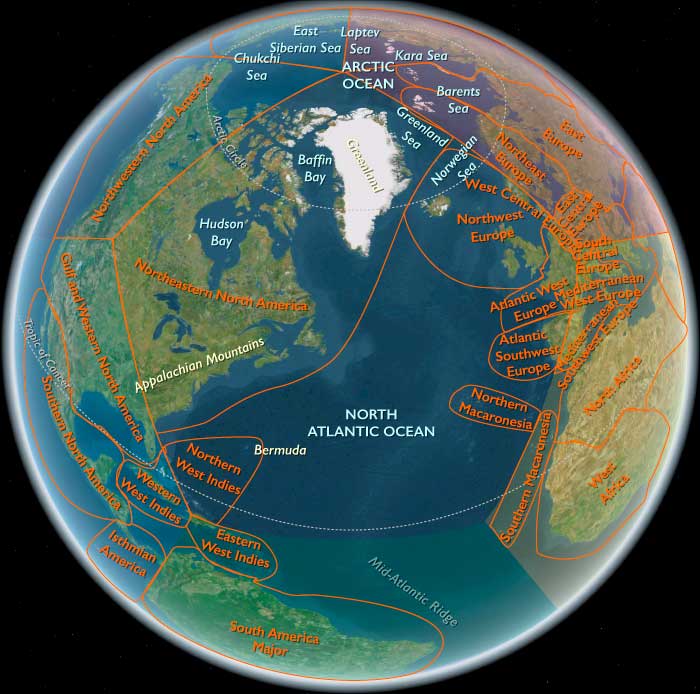
Atlantic Southwest Europe (1540–1683 CE): Political Transformation, Maritime Expansion, and Cultural Flourishing
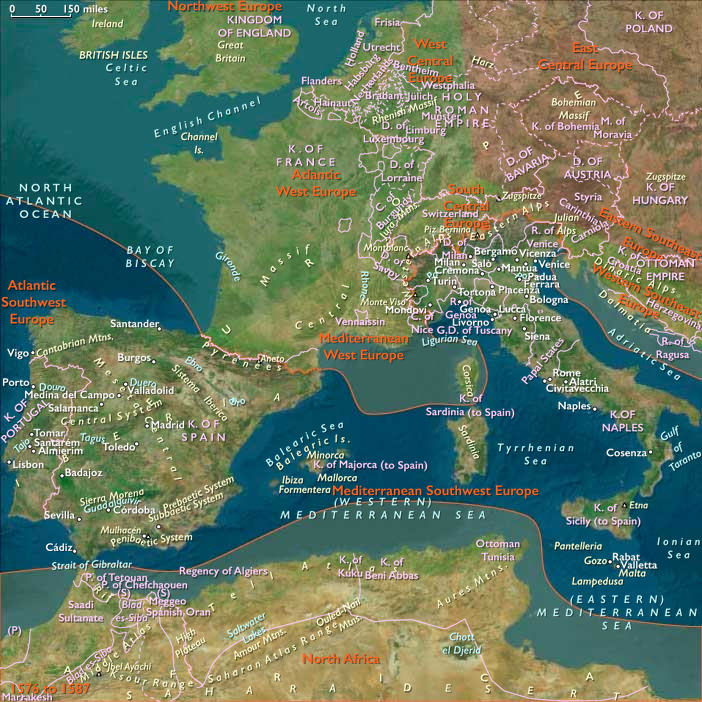
Between 1540 and 1683, Atlantic Southwest Europe—including northern and central Portugal (Lisbon and Porto), Galicia, Asturias, Cantabria, northern León and Castile, northern Navarre, northern Rioja, and the Basque Country—underwent a transformative era marked by political upheaval, economic prosperity through maritime commerce, intense religious reform, and dynamic cultural expression. The region developed distinctive identities deeply influenced by the Renaissance and later the Baroque era, significantly shaping its trajectory toward modernity.
Political and Military Developments
The Iberian Union and Portuguese Restoration
In 1580, Portugal’s succession crisis resulted in the Iberian Union (1580–1640) under the Spanish Habsburg monarchy. This union initially strained the economies of northern Portuguese cities, notably Porto and Lisbon, which experienced intensified taxation and restrictions on trade. Dissatisfaction intensified, culminating in Portugal’s successful Restoration of Independence (1640) led by King João IV (House of Braganza). This pivotal moment restored political autonomy and stability, revitalizing regional governance structures and economic dynamism.
Autonomy and Fueros in Northern Spain
Throughout this period, regions such as the Basque Country and Navarre staunchly defended their traditional fueros, which guaranteed local autonomy, taxation privileges, and self-governance. These institutions effectively insulated the northern territories from the Spanish Crown's centralizing policies, sustaining political stability even as Spain faced broader imperial challenges.
In contrast, Galicia, Asturias, and Cantabria were more integrated within Castilian governance yet retained significant local autonomy. Their administrative flexibility enabled them to balance central demands and local interests effectively.
Military Pressures and Regional Stability
Atlantic Southwest Europe occasionally found itself at the forefront of broader military conflicts, notably during England’s maritime confrontations with Spain and Portugal. Despite such external pressures—including the disastrous defeat of the Spanish Armada (1588), which deeply impacted Basque and Cantabrian ports—the region largely maintained internal stability, enabling sustained economic recovery and growth in subsequent decades.
Economic Developments: Maritime and Commercial Expansion
Portuguese Maritime and Commercial Prosperity
Northern and central Portugal, especially cities like Lisbon, Porto, and Viana do Castelo, benefited enormously from maritime trade expansion. Porto, in particular, flourished as international demand surged for Port wine from the Douro Valley, becoming a key commercial hub for exports to England and the Low Countries. Shipbuilding along the northern Portuguese coast simultaneously expanded, driven by this booming maritime economy.
Northern Spain’s Industrial and Maritime Growth
The Basque provinces and Cantabria witnessed substantial economic prosperity driven by industrial growth, particularly shipbuilding, iron production, fisheries, and robust maritime commerce. The city of Bilbao became a major iron exporter, enhancing its economic importance within European trade networks. Santander similarly prospered through increased transatlantic and northern European maritime trade.
Galicia notably revitalized its maritime economy with strengthened fishing industries and expanded commercial ties through ports like Vigo and A Coruña, reinforcing regional economic resilience.
Religious Developments: Counter-Reformation and Local Identity
Counter-Reformation Orthodoxy
Following the Council of Trent (1545–1563), Atlantic Southwest Europe firmly embraced Counter-Reformation Catholicism, reinforced by inquisitorial tribunals and revitalized ecclesiastical institutions. Cities such as Valladolid, Braga, Coimbra, Santiago de Compostela, and Pamplona became prominent centers of religious orthodoxy, significantly shaping local educational, cultural, and spiritual life.
Pilgrimage routes, notably the Camino de Santiago, experienced renewed popularity, underscoring regional religious identity and promoting cultural cohesion, especially in Galicia.
Influence of the Jesuits
The establishment of Jesuit colleges significantly impacted regional intellectual life, fostering robust Catholic education in cities like Lisbon, Coimbra, Porto, and Valladolid. These institutions contributed significantly to the region’s intellectual vitality, while simultaneously ensuring adherence to Counter-Reformation doctrine.
Cultural and Artistic Flourishing
Transition from Renaissance to Baroque
Initially influenced by Renaissance humanism, cities like Braga, Santiago de Compostela, Burgos, Bilbao, and Lisbon sponsored art and architecture that reflected classical ideals and humanist values. By the late sixteenth century, the Baroque aesthetic profoundly reshaped the region, with elaborate cathedrals, palaces, and public buildings adorning urban landscapes, exemplified by iconic structures in Braga, Lisbon, and Santiago.
Literary and Linguistic Vibrancy
The period witnessed a notable literary flourishing across languages—Portuguese, Castilian, and Galician—strengthening regional identities and promoting linguistic diversity. Literature often subtly asserted local pride, reflecting broader political and cultural autonomy movements emerging across the region.
Social and Urban Developments
Urban Expansion and Merchant Ascendancy
Significant urban growth characterized this era, driven by maritime commerce, industrial expansion, and the increasing wealth of merchant classes. Cities like Porto, Lisbon, Bilbao, Santander, and Vitoria-Gasteiz expanded substantially, providing enhanced infrastructure, vibrant marketplaces, and burgeoning civic institutions.
The rising merchant and artisan classes became influential in urban governance, shifting social structures toward increased social mobility, prosperity, and localized political power.
Strengthened Regional Autonomy and Identity
Throughout Atlantic Southwest Europe, particularly in the Basque Country, Navarre, Galicia, and northern Portugal, traditional rights (fueros) were persistently reaffirmed. These protections solidified local identities, empowering regional governance against centralized imposition from Madrid, ensuring sustained political resilience and autonomy.
Notable Regional Groups and Settlements
-
Portuguese (Central and Northern): Experienced political restoration, maritime prosperity, and cultural renaissance in cities like Lisbon and Porto.
-
Galicians and Asturians: Balanced maritime economic prosperity with persistent rural challenges, fostering strong regional identities.
-
Basques, Navarrese, and Cantabrians: Leveraged local autonomy for economic growth, maintaining distinctive political and cultural identities despite imperial pressures.
-
Northern Castilians and Riojans: Maintained effective local governance, contributing to regional stability despite broader Spanish imperial decline.
Long-Term Significance and Legacy
From 1540 to 1683, Atlantic Southwest Europe:
-
Achieved critical political transformations, notably Portugal’s restoration of independence and northern Spain’s affirmation of regional autonomy.
-
Experienced significant maritime and economic prosperity, firmly integrating the region into European and global trade networks.
-
Fostered vibrant cultural expressions through Renaissance humanism and Baroque aesthetics, enriching regional identities and artistic legacies.
-
Strengthened local governance structures, particularly via the preservation of fueros, ensuring lasting political stability and regional resilience.
This formative period profoundly influenced Atlantic Southwest Europe's historical trajectory, embedding a legacy of economic vibrancy, cultural distinctiveness, and enduring regional autonomy that would persist well beyond the seventeenth century.
Sebastião's death causes the crown to fall to his uncle, Henrique, the last surviving son of Manuel I.
Henrique's crowning solves the succession crisis only temporarily because Henrique is an infirm and aged cardinal who is unable to obtain dispensation from the pope to marry.
There are several pretenders to the throne, one of whom is Philip II of Spain, nephew of Joao III.
When Henrique dies in 1580, a powerful Spanish army commanded by the duke of Alba invades Portugal and marches on Lisbon.
This force routs the army of rival contender, Antonio, prior of Crato and the illegitimate son of Joao Ill's son Luis.
Portugal is annexed by Spain, and Philip II is declared Filipe I of Portugal.
Philip II’s Rule Over Portugal and the Rise of Sebastianism (1580–1640)
When Philip II of Spain was declared King of Portugal in 1580, he sought to integrate Portugal into the Iberian Union while maintaining some degree of autonomy to placate the Portuguese elite. However, while the nobility largely accepted Spanish rule, a messianic movement known as Sebastianism (Sebastianismo) took hold in the countryside, reflecting Portuguese resistance to Castilian domination.
Philip II’s Policies Toward Portugal
To govern Portugal while maintaining its distinct identity, Philip II:
- Created a six-member Portuguese council to oversee administration.
- Ensured that the Portuguese Cortes (parliament) met only in Portugal.
- Preserved Portuguese institutions, keeping all civil, military, and ecclesiastical appointments Portuguese.
- Guaranteed autonomy in language, judicial system, coinage, and military.
Despite these assurances of autonomy, Portugal became increasingly subordinated to Spanish interests, particularly in foreign policy and colonial affairs.
Strengthening the Inquisition and Jesuit Influence
Philip II relied on the Jesuits and the Portuguese Inquisition to maintain control, as both institutions promoted Habsburg loyalty and religious orthodoxy.
- The Inquisition intensified persecution of New Christians (conversos, or Jews forcibly converted to Christianity), as Philip sought to align Portugal’s religious policies with Spain’s rigid Catholic orthodoxy.
- The Jesuits, who played a central role in Portuguese education and missionary efforts, were favored by Philip for their Iberian-wide influence and religious discipline.
This led to greater repression of religious minorities, exacerbating tensions within Portugal and its colonies.
Portuguese Cultural and Political Integration with Spain
- By the late 16th century, the Portuguese royal court had adopted Castilian language and etiquette.
- Many Portuguese intellectuals and writers produced works in Castilian Spanish, seeing themselves as part of a shared Iberian culture.
- While the Portuguese elite largely accepted Spanish rule, rural Portugal resisted assimilation, leading to the rise of Sebastianism.
Sebastianism: The Myth of the Hidden King and National Resistance
- Sebastianism (Sebastianismo) emerged from the belief that King Sebastião (who disappeared at the Battle of Alcácer Quibir in 1578) had not died but would return to free Portugal from Spanish rule.
- This messianic cult became deeply rooted in Portuguese society, particularly in the countryside and among the lower classes.
- Over the years, several impostors claiming to be King Sebastião appeared, leading to small-scale rebellions, but all were easily suppressed.
Long-Term Impact of Sebastianism
- Sebastianism became a lasting element of Portuguese identity, symbolizing:
- A nostalgic longing for lost national glory.
- Resistance to foreign rule.
- The hope for a miraculous national restoration.
- Even after Portugal regained independence in 1640, Sebastianism persisted as a cultural and psychological phenomenon, influencing Portuguese literature, folklore, and political thought.
Conclusion: A Fragile Union and Enduring National Identity
Philip II’s incorporation of Portugal into the Iberian Union (1580–1640) was met with noble acquiescence but popular resistance. While Portugal retained some degree of autonomy, the increasing influence of Spanish policies and institutions fueled resentment.
The rise of Sebastianism reflected Portugal’s deep desire for independence, a longing that would eventually culminate in the Portuguese Restoration War (1640), leading to the end of Spanish rule and the restoration of the House of Braganza. Even today, Sebastianism remains a powerful cultural symbol in Portugal, embodying a national longing for an unattainable past.
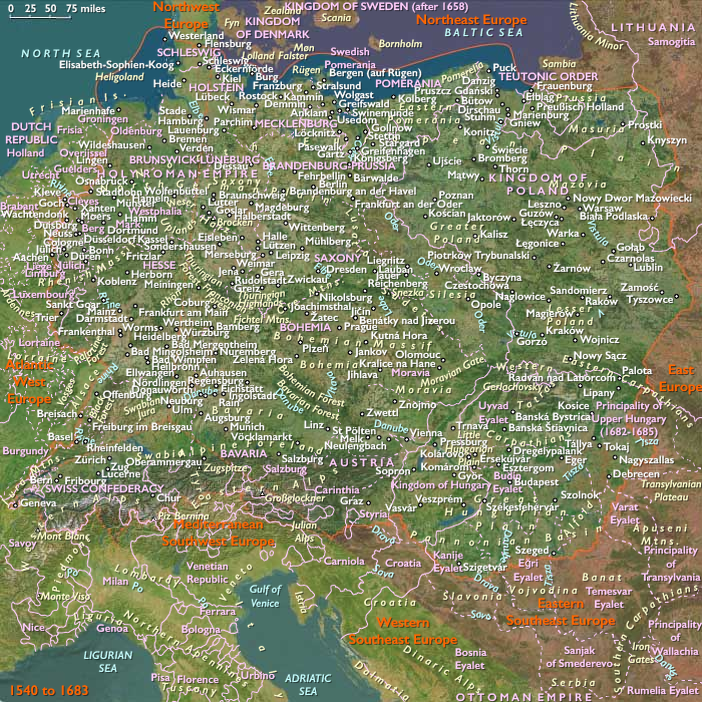
The imperial forces opposing the nine-member German Protestant Schmalkaldic League arrive at Mühlberg in April 1547.
The league’s forces are still not unified, and some of the members, including Maurice, duke of Albertine Saxony, defect to the side of Holy Roman Emperor Charles V. Charles’ forces, commanded by the Duke of Alba, rout the league’s Saxon army and capture its leader, Maurice’s second cousin, Elector Johann Friedrich (John Frederick) of Ernestine Saxony.
Philip, Landgrave of Hesse, the league’s Hessian leader, surrenders.
The successor of Marcellus II, the nobly born cardinal Gian Pietro Carafa, owes his ecclesiastical advancement to the influence of his uncle Cardinal Oliviero Carafa, and had served Pope Leo X as envoy to England and Spain as bishop of Chieti.
He had resigned his benefices in 1524 to found, with Cajetan of Thiene (Gaetano da Thiene), the order of the Theatines (Congregation of Clerics Regular) to promote clerical reform through asceticism and apostolic work.
An advisor to Leo's successors in matters of heresy and reform, Carafa had earned an appointment to Pope Paul III's commission for ecclesiastical reform, had been made cardinal in 1536, and had been responsible for a reorganization of the Roman Inquisition.
Carafa’s austerity, uncompromising reformism, exalted concept of papal authority, and violent antipathies toward the Habsburgs and the Spaniards do not dissuade the College of Cardinals, heavily influenced by Cardinal Alessandro Farnese, from electing him Pope Paul IV, even over the veto of Holy Roman emperor Charles V. Paul, whose handling of the Protestant question is to prove as disastrous as his politics, soon denounces as a pact with heresy the Peace of Augsburg, the first permanent legal basis for the existence of Lutheranism and Catholicism in Germany.
Pope Paul, nursing a violent hatred of the Habsburgs and the Spanish, attempts to drive them from Naples by allying with France in December 1555, thus provoking war against Holy Roman Emperor Charles and his son Philip.
Spanish general and diplomat Fernando Álvarez de Toledo y Pimentel, third duque de Alba (also spelled Alva), made commander in chief of the imperial forces in Italy, serves here from 1555, distinguishing himself for his subtlety and generalship in the war against the Pope, in which Alba has been invested with unlimited power.
Success does not, however, attend his first attempts, and after several unfortunate attacks he is obliged to retire into winter quarters.
Imperial forces under the Duke of Alba oust the occupying French troops from Naples in 1557.
Alba has served from 1555 to 1557 in Italy, where he has distinguished himself for his subtlety and generalship in the war against Pope Paul IV.
After the abdication of Charles V he had been continued in the command by Philip II, who, however, has restrained him from extreme measures.
Alba has subdued the whole Campagna and is at the gates of Rome, when he is compelled by Philip's orders to negotiate a peace.
It had become clear in late 1566 and early 1567 that the regent will not be allowed to fulfill her promises, and when several minor rebellions fail, many Calvinists (the major Protestant denomination) and Lutherans flee the country.
France’s Roman Catholic Guise faction consolidates its power under Charles, Cardinal de Lorraine, who had become head of the family after the death of his brother Francois in 1563.
Protestant insurrections against repressive Spanish rule in the neighboring Low Countries prompt the cardinal to argue for more vigorous suppression of the French Huguenots.
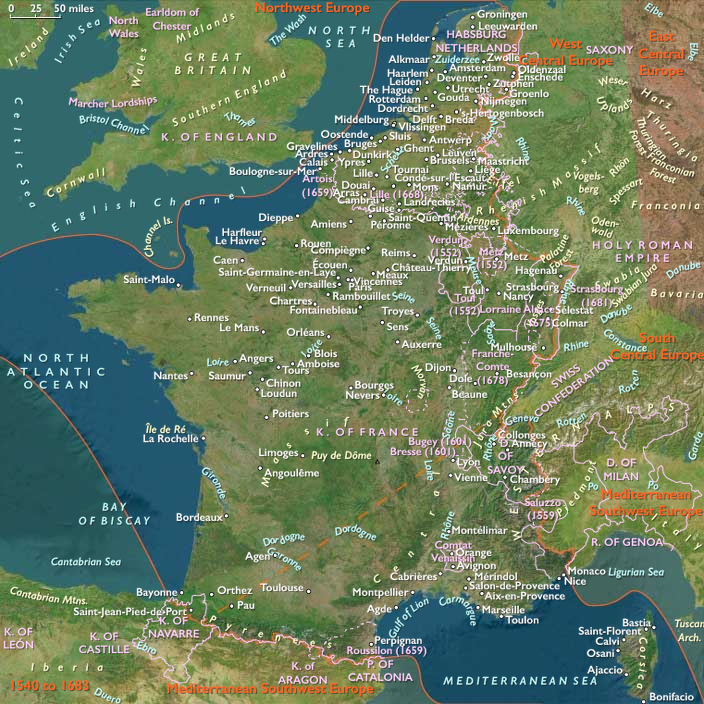
Queen Mother Catherine de' Medici, touring the provinces with her son Charles IX as part of an effort to forge unity with the nobility, meets in Bayonne with Fernando Álvarez de Toledo, duque d’Alba, the “hard man” charged by Spanish Habsburg monarch Philip II with the subjugation of the Netherlands.
The alarm this raises in the Huguenot community increases when Alba marches his troops along the kingdom’s eastern borders, the "Spanish Road" from Italy to Flanders.
Rumor spreads that Catherine is plotting with the Habsburgs to exterminate the Continent’s Protestants.