Garcilaso de la Vega
Spanish soldier and poet
Years: 1498 - 1536
Garcilaso de la Vega (Toledo, c. 1501– Le Muy, Nice, France, October 14, 1536), is a Spanish soldier and poet.
The prototypical "Renaissance man," he is the most influential (though not the first or the only) poet to introduce Italian Renaissance verse forms, poetic techniques and themes to Spain.
His exact birth date is unknown, but estimations by scholars put his year of birth between 1498 and 1503.
Garcilaso was born in the Spanish city of Toledo.
His father, Pedro Suárez de Figueroa, is a noble in the royal court of the Catholic Kings.
His mother's name is Sancha de Guzmán.
He has six brothers and sisters: Leanor, Pedro, Fernando, Francisco, Gonzalo, and Juana.
Garcilaso is the second-oldest son which means he does not receive the mayorazgo (entitlement) to his father's estate.
However, he spends his younger years receiving an extensive education, masters five languages (Spanish, Greek, Latin, Italian and French), and learns how to play the zither, lute and the harp.
After his schooling, he joins the military in hopes of joining the royal guard.
He is named "contino" (imperial guard) of King Carlos I (also Charles V of the Holy Roman Empire) in 1520, and he is made a member of the Order of Santiago in 1523.
There are a few women in the life of this poet.
His first lover is Guiomar Carrillo with whom he has an illegitimate child.
He has another suspected lover named Isabel Freire, who is a lady-in-waiting of Isabel of Portugal.
In 1525, Garcilaso marries Elena de Zúñiga who serves as a lady-in-waiting for the King's favorite sister, Leonor.
Their marriage takes place in Garcilaso's hometown of Toledo in one of the family's estates.
He has six children: Lorenzo, an illegitimate child with Guiomar Carrillo, Garcilaso, Íñigo de Zúñiga, Pedro de Guzmán, Sancha, and Francisco.
Garcilaso's military career means that he takes part in the numerous battles and campaigns conducted by Charles V across Europe.
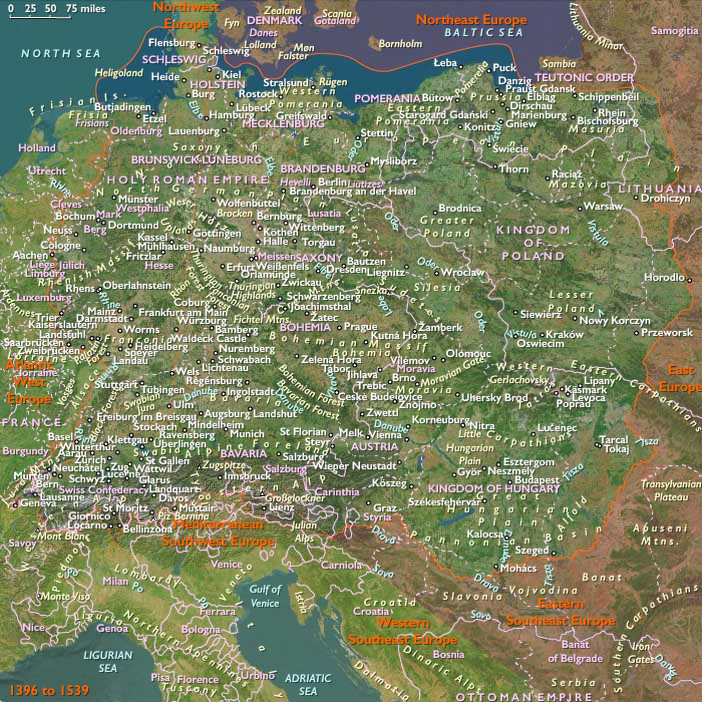
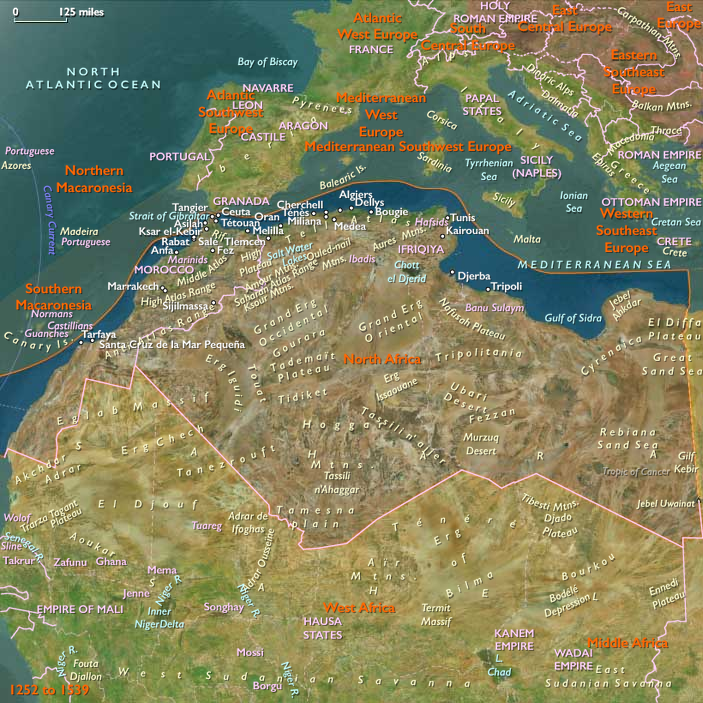
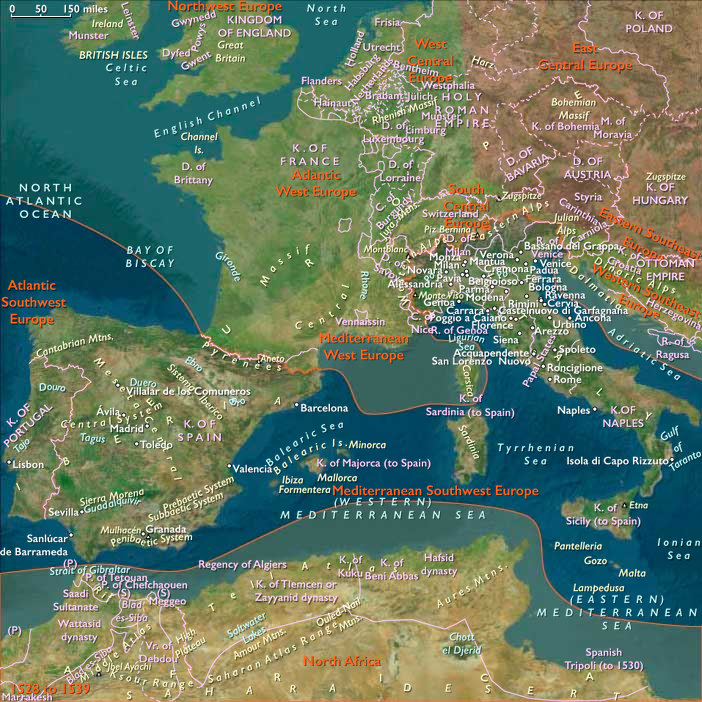
His duties take him to Italy, Germany, Tunisia and France.
In 1532 for a short period he is exiled to a Danube island where he is the guest of the Count György Cseszneky, royal court judge of Győr.
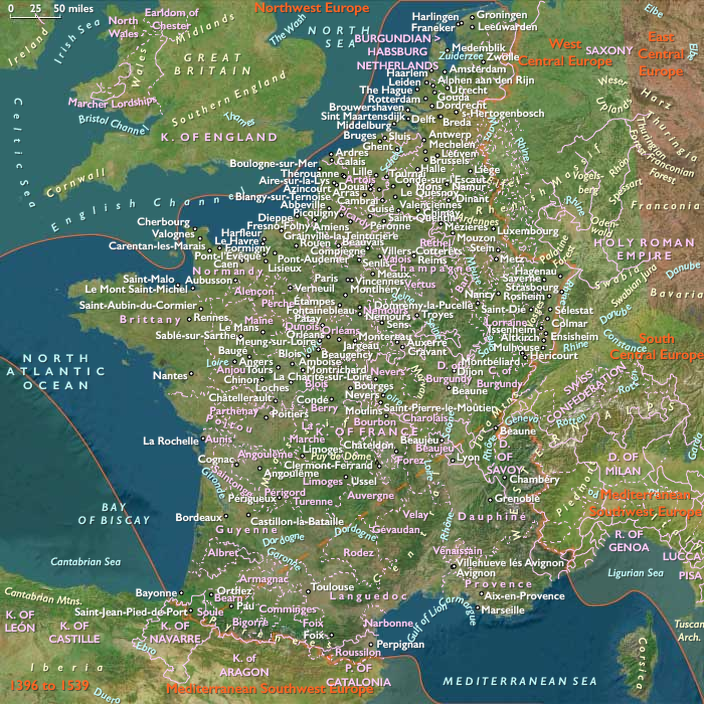
Later in France, he will fight his last battle.
The King desires to take control of Marseille and eventual control of the Mediterranean Sea, but this goal is never realized.
Garcilaso de la Vega dies on October 14, 1536 in Nice, France after suffering 25 days from an injury sustained in a battle at Le Muy.
His body is first buried in the Church of Santo Domingo in Nice, but two years later his wife has his body moved to the Church of San Pedro Martir in Toledo.