Hezekiah of Judah
13th king of Judah
Years: 740BCE - 686BCE
Hezekiah is the son of Ahaz and the 14th king of Judah.
Edwin Thiele has concluded that his reign was between c. 715 and 686 BCE.
He is also one of the most prominent kings of Judah mentioned in the Hebrew Bible.
According to the Bible, Hezekiah witnessed the destruction of the northern Kingdom of Israel by Sargon's Assyrians in c 720 BC and was king of Judah during the invasion and siege of Jerusalem by Sennacherib in 701 BCE.
Hezekiah enacted sweeping religious reforms, during which he removed the worship of foreign deities from the Temple in Jerusalem, and restored the worship of YHWH the God of Israel as instructed by the Torah.
Isaiah and Micah prophesied during his reign.



Related Events
Filter results
Showing 7 events out of 7 total
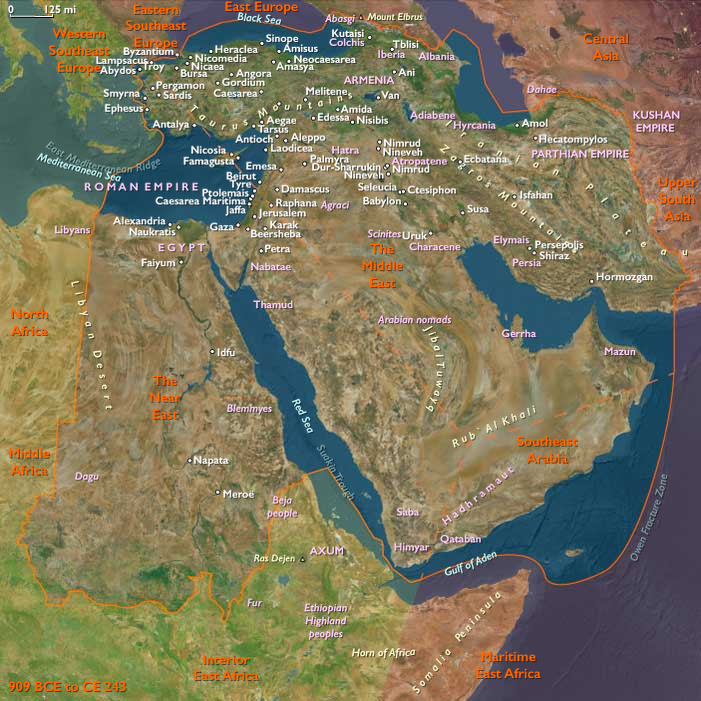
Near East (765–622 BCE): Rise, Reform, and Regional Shifts
Egypt and the Nubian Dynasty
During this era, Egypt is characterized by the rule of both native Egyptians and foreign Nubian kings, notably from the Twenty-fourth and Twenty-fifth Dynasties. Nubian influence peaks with the reign of Kashta (ca. 750–740 BCE), who takes control of Upper Egypt and Thebes, laying the groundwork for the Twenty-fifth Dynasty. His successor, Piye, successfully reunifies Egypt, extending Nubian dominance from Nubia to the Nile Delta.
The Nubian dynasty, ardent worshippers of Amun, views Egyptian traditions reverently, revitalizing temples and religious practices. However, their expansion into Syria-Palestine provokes conflict with Assyria. The Assyrian king Esarhaddon ultimately invades Egypt in 671 BCE, displacing the Nubian rulers and reinstating local rulers at Sais. The Nubians retreat to Napata, from where they continue to govern Kush.
Judah: Religious Revival and Reformation
Following Israel’s collapse to Assyria in 722 BCE, the Kingdom of Judah emerges as the sole representative of Hebrew sovereignty, preserving its independence as an Assyrian vassal state. Judah experiences considerable prosperity and religious shifts under kings like Uzziah and Hezekiah. However, true transformation comes under King Josiah (641–609 BCE), whose reforms dramatically reshape Judah’s religious identity.
Josiah's campaign, beginning around 626 BCE, is bolstered by the discovery of an early form of Deuteronomy in 622 BCE. Josiah centralizes worship in Jerusalem, eliminating pagan altars and foreign deities, including the cult of Asherah, and renews the covenant between Yahweh and the nation. This religious reform, supported by prophets such as Zephaniah, lays foundational elements of monotheistic Judaism, profoundly influencing Judah’s future cultural and spiritual trajectory.
Assyrian Dominance and Decline
The powerful Assyrian Empire dominates much of the Near East through military conquest and political pressure, successfully subduing kingdoms like Israel and city-states across Phoenicia and Philistia. Yet, after the death of Ashurbanipal in 627 BCE, Assyria’s power wanes rapidly, plunging the region into uncertainty and allowing former vassal states like Judah to assert greater autonomy.
Philistia, Phoenicia, and Regional Instability
Philistine and Phoenician cities, including Tyre and Ashkelon, become Assyrian vassals but repeatedly rebel against their overlords. These revolts are brutally suppressed, notably by Sargon II and Sennacherib, leaving these coastal kingdoms weakened yet culturally resilient. By the late seventh century BCE, Egypt under Psamtik I exerts significant influence over Philistia, notably besieging Ashdod and making it a vassal state.
Emergence of Greek Influence: Ionia and Cyprus
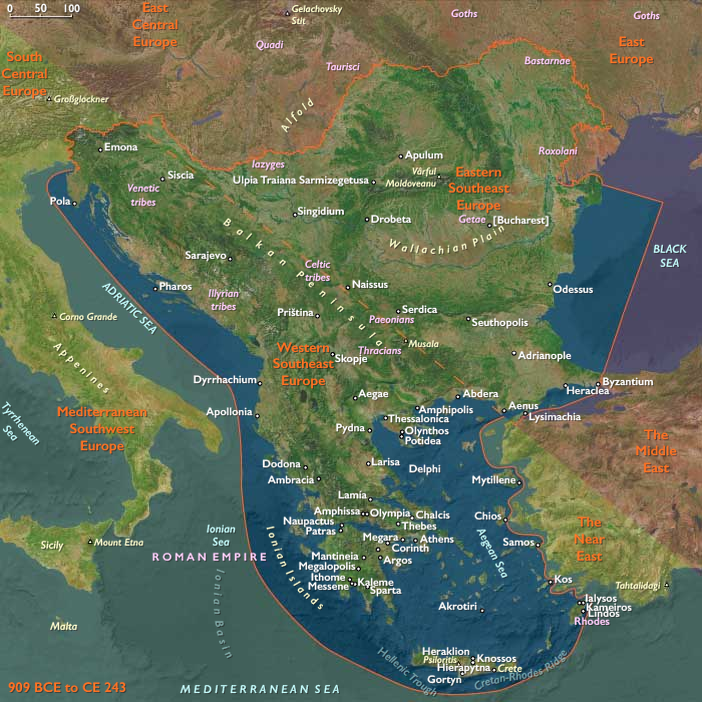
Greek settlement intensifies in the coastal regions of Asia Minor and the island of Cyprus, where Ionian cities such as Miletus and Ephesus and Cypriot kingdoms flourish culturally and commercially. Assyrian dominance briefly extends over Cyprus around 708 BCE, but local autonomy largely persists, allowing continued Greek cultural and economic prosperity.
Edom, Moab, and the Kingdom of Kush
In Edom, settlement and economic activity intensify in the late eighth century BCE, as indicated by archaeological records. Moab, linguistically and culturally close to Judah, nonetheless becomes an Assyrian tributary state. Meanwhile, the Nubian Kingdom of Kush, having retreated from Egypt, maintains an influential presence, ruling from Napata and then moving its capital to Meroe, strategically situated along vital trade routes.
Legacy of the Age
The period from 765 to 622 BCE is a transformative era marked by significant political shifts, religious reforms, and regional reconfigurations. Judah’s move toward religious centralization under Josiah shapes the future of Hebrew religious identity, laying critical groundwork for monotheistic Judaism. Simultaneously, the weakening of Assyria creates a power vacuum filled by emergent regional powers such as Egypt, Lydia, and the reassertion of local autonomy throughout the Near East. These transformations set the stage for profound historical developments in subsequent centuries.
Near East (717–706 BCE): Religious and Political Transformations
Syncretism and the Rise of Samaritan Identity
After the fall of Samaria, its new inhabitants—colonists from diverse parts of the Assyrian Empire—initially worship their own deities. According to later Jewish tradition, when dangerous wild animals infest the region, these colonists appeal to the Assyrian king for priests from Israel to instruct them on how to worship the local god, Yahweh. This leads to the emergence of a syncretistic form of religion, blending the worship of Yahweh with their original gods. Today's Samaritans, who regard themselves as descendants of the tribes of Ephraim and Manasseh, continue to honor the Pentateuch as their sacred scripture and worship at Mount Gerizim. Modern genetic studies confirm Samaritan claims of Israelite lineage through male ancestors, with maternal lines indicating Assyrian and other foreign origins.
Nubian Religious Revival: The Shabaka Stone
During the reign of Pharaoh Shabaka of Egypt’s Nubian Twenty-fifth Dynasty, a significant religious artifact known as the Shabaka Stone is produced. Discovered by Shabaka himself at the temple of Ptah in Memphis, this slab records the deteriorating text of an ancient papyrus. The Shabaka Stone preserves the Memphite Theology, a sophisticated religious doctrine elevating Ptah, god of craftsmen, as the creator of all existence. According to this theology, Ptah conceives all things mentally and brings them into existence by speech—a concept reflecting a high level of abstraction and philosophical sophistication in Egyptian religious thought.
Moab Under Assyrian Influence
Moab, despite linguistic and cultural affinities with its Israelite neighbors, faces religious and political marginalization from Judahite society. This isolation is underscored by scriptural prohibitions (Deuteronomy 23:3-6) and prophetic denunciations (Isaiah 25:10). By the late eighth century BCE, Moab becomes a tributary of Assyria, signaling its integration into the expanding Assyrian sphere of influence.
Religious and Political Reforms in Judah
The fall of the northern kingdom deeply influences the southern kingdom of Judah, prompting religious introspection and political caution. Under King Hezekiah, who succeeds Ahaz in 715 BCE, Judah initiates significant religious reforms aimed at eradicating Canaanite religious practices and reaffirming the worship of Yahweh. These reforms contrast sharply with Ahaz's earlier policies, which had subjected Judah to Assyrian dominance. The prophet Isaiah resumes his activity during this period, addressing Hezekiah’s political efforts to extricate Judah from Assyrian suzerainty, notably during a failed rebellion involving Tyre and Sidon against Sargon II in 710 BCE.
Cyprus and the Assyrian Hegemony
In 709 BCE, Cyprus submits to Assyrian King Sargon II, who consolidates his regional authority by erecting a stela at Citium. Seven Cypriot city-kings—Curium, Paphos, Marion, Soli, Lapithos, Salamis, and Amathus—formally acknowledge his dominance. Subsequent Assyrian records add four more kingdoms—Citium, Kyrenia, Tamassos, and Idalium—to the list of tributary states. Although nominal, this acknowledgment underscores the broad reach of Assyrian imperial power, which extends over Cyprus until approximately 663 BCE.
Legacy of the Era
The period from 717 to 706 BCE is marked by profound transformations in religion and politics across the Near East. The emergence of Samaritan identity, theological innovation in Nubian-controlled Egypt, and Judah’s religious reforms under Hezekiah significantly shape the cultural and political landscape. Meanwhile, Assyria’s expanding influence, exemplified by its dominance over Moab and Cyprus, sets the stage for further imperial entanglements and cultural exchanges in the region.
Near East (705–694 BCE): Rebellion, Revival, and Imperial Consolidation
Assyrian Domination and Regional Revolts
The death of Assyrian king Sargon II in 705 BCE triggers widespread rebellion across the Near East against Assyrian dominance. Hezekiah, king of Judah, emerges prominently in these revolts, aiming to free Judah from Assyrian suzerainty. Allied with city-states such as Ashkelon and Ekron and backed by Egypt, Hezekiah fortifies Jerusalem, notably constructing the Siloam tunnel to ensure water supply during sieges. However, the Assyrian King Sennacherib invades Judah in 701 BCE, seizing numerous fortified cities, including Lachish and Jaffa. Jerusalem narrowly avoids capture, reportedly due to a devastating plague among Assyrian forces, an event later ascribed in Hebrew scriptures to divine intervention.
Cultural Resurgence and New Settlements
Around 700 BCE, the Troas region, previously abandoned, experiences renewed Greek colonization by settlers from Mytilene on Lesbos, who establish Ilion (Troy VIII). Concurrently, Milesian Greeks, with approval from Gyges of Lydia, establish Abydos at a strategic location on the Asian side of the Hellespont, opposite Sestus, enhancing both trade and geopolitical positioning.
Cypriot Urban Development
Cyprus undergoes significant urban and economic growth, epitomized by Idalium (modern Dali, Nicosia District), a prominent city renowned for its copper trade since the third millennium BCE. Listed prominently in Assyrian records from Sargon II and Esarhaddon, Idalium and other Cypriot cities become integral to Assyrian trade networks, reflecting Cyprus's deep integration into broader regional dynamics.
Prophetic Voices Amid Turmoil
During Hezekiah's second rebellion (705–701 BCE), the Judahite prophet Isaiah renews his warnings, emphasizing themes of sin, impending judgment, and eventual deliverance. Isaiah’s messages, which form the core of the first part of the "Book of Isaiah," highlight the complex interaction between political actions and religious beliefs, shaping Judah's identity amid the imperial threats.
Legacy of the Era
The period from 705 to 694 BCE is marked by resistance to Assyrian hegemony, strategic urban developments, and significant religious and cultural advancements. Hezekiah's persistent quest for autonomy, despite setbacks, symbolizes Judah’s enduring resilience, while the cultural revival seen in Troy and Abydos underscores wider patterns of regional renewal and increased connectivity.
Isaiah, again after a time of silence, addresses Hezekiah's second attempt, from 705 to 701, to establish political independence.
Compiled as the first part of the “Book of Isaiah,” the writings from these periods fall into seven collections of sayings on themes of sin, judgment, and deliverance from the judgment. (Christians will interpret Isaiah’s Immanuel prophecies in Chapters 6—12 as references to Christ.)
At the accession of the Assyrian king Sennacherib in 705 BCE, further rebellions break out all over the empire.
Hezekiah, according to 2 Kings 20:20, 2 Chronicles 32:30, may be the leader of the rebellion in Palestine, which includes the city-states of Ascalon and Ekron and gains the support of Egypt.
In preparing for the inevitable Assyrian campaign to retake Palestine, Hezekiah strengthens the defenses of his capital and digs out the famous Siloam tunnel, which brings the water of the Gihon springs to a reservoir inside the city wall.
Hezekiah succumbs, however, to the might of Sennacherib, who in 701 overruns Judah, takes forty-six of its walled cities and places much conquered Judaean territory under the control of neighboring states.
While Sennacherib is besieging the city of Lachish, Hezekiah seeks to spare Jerusalem itself from capture by paying a heavy tribute of gold and silver to the Assyrian king, who nevertheless demands the city's unconditional surrender.
According to 2 Kings, Jerusalem is saved by a miraculous plague that decimates the Assyrian army (”smitten by the angel of the Lord”) felling one hundred and eighty-five thousand men. (Contradictory dates for Sennacherib's invasion are given in the Book of Kings, and he may possibly have invaded Judah a second time near the close of Hezekiah's reign.)
Though forced to withdraw, Sennacherib compels Hezekiah to renew his tribute payments to Assyria.
Near East (693–682 BCE): Consolidation, Vassalage, and Judah’s Survival
Assyrian Consolidation of Coastal Palestine
By the early seventh century BCE, the Assyrian Empire firmly consolidates control over the coastal cities of Palestine. Gaza, Ashkelon, Ekron, Ashdod, and likely Gath become established as Assyrian vassal states, compelled into tributary alliances through military pressure and political diplomacy. These cities, formerly influential Philistine centers, now function primarily within the larger economic and strategic frameworks imposed by Assyria, ensuring the empire’s dominance across the critical Mediterranean coastal trade routes.
Jerusalem’s Fragile Independence
In Judah, King Hezekiah has barely managed to preserve Jerusalem amidst Assyrian aggression. Though Jerusalem withstands siege—reportedly due to a plague among the Assyrian forces described in biblical texts as divine intervention—virtually all other major Judahite centers have suffered severe destruction. Hezekiah’s resistance, although costly, secures a precarious autonomy for the southern kingdom, highlighting Jerusalem’s emerging significance as the spiritual and political center of Judah.
Succession and New Realities in Judah
In 687 BCE, King Hezekiah dies and is succeeded by his son, Manasseh. Marking a notable shift, Manasseh’s reign departs significantly from his father’s religious and political policies. Where Hezekiah sought to align Judah closely with exclusive Yahwistic worship and resisted Assyrian overlordship, Manasseh reverses these policies, aligning more closely with Assyrian interests and restoring religious pluralism, a move often criticized by later biblical tradition. This alignment ensures Judah's temporary stability under continued Assyrian dominance but begins a complex legacy of internal religious contention.
Legacy of the Era
The era 693–682 BCE encapsulates the tension between imperial subjugation and local sovereignty. Judah’s survival, narrowly maintained by Hezekiah, transitions into a period of pragmatic alignment under Manasseh, reflecting broader regional patterns of vassalage and accommodation. The consolidation of Assyrian rule over Philistine cities, coupled with Judah’s adaptive strategies under successive rulers, establishes political frameworks that will influence Near Eastern geopolitics profoundly in subsequent generations.
Hezekiah has apparently managed to outlast the Assyrian siege of Jerusalem while suffering the destruction of every other center in his kingdom.
Hezekiah's son Manasseh succeeds him in 687 BCE.
Near East (681–670 BCE): Assyrian Conquest of Egypt and Apostasy in Judah
Esarhaddon's Egyptian Campaign
The Assyrian king Esarhaddon, driven by Egypt's persistent resistance to Assyrian dominance in Syria-Palestine, initially mounts an unsuccessful invasion in 675 BCE. Undeterred, he mobilizes again in 671 BCE, targeting the powerful Nubian Pharaoh Taharqa, ruler of the Kushite Twenty-fifth Dynasty. While a portion of Esarhaddon's forces remains in the Levant to quell rebellions in strategic cities such as Tyre and possibly Ashkelon, the main Assyrian army crosses the treacherous Sinai desert—infamous for its hostile wildlife—and penetrates deep into Egypt.
Capture of Memphis and Its Aftermath
In the summer of 671 BCE, Esarhaddon successfully captures Memphis, the ancient capital, compelling Taharqa to retreat to Upper Egypt. Victorious, Esarhaddon proclaims himself "King of Egypt, Patros, and Kush," marking a significant extension of Assyrian power. To commemorate his triumph, he erects a victory stele depicting Prince Ushankhuru, Taharqa's young son, bound as a captive. Nevertheless, Egyptian resistance quickly resurfaces once Esarhaddon departs, prompting him to dispatch his general, Sha-Nabu-shu, to forcibly restore Assyrian authority along the Nile.
Judah’s Religious Reversal under Manasseh
Meanwhile, in Judah, Manasseh—Hezekiah's son and successor since 687 BCE—abruptly reverses his father's religious reforms. In sharp contrast to Hezekiah’s strict adherence to Yahweh, Manasseh openly embraces apostasy, reinstating previously banned Canaanite religious practices. According to the Hebrew Bible, he reintroduces soothsaying, augury, sorcery, and necromancy, even allegedly offering his own son as a human sacrifice. The reign of Manasseh is described by the Deuteronomic historians as one marked by widespread bloodshed, religious regression, and moral decline.
Legacy of the Era
The era from 681–670 BCE is defined by stark contrasts—while Assyria expands its empire aggressively into Egypt, signaling a peak of imperial power, Judah undergoes internal turmoil through Manasseh’s controversial reign. Esarhaddon's conquest demonstrates Assyria’s reach and resourcefulness, yet Egyptian resistance underscores the enduring difficulties of imperial control. Manasseh’s rule, meanwhile, signals deepening internal divisions in Judah, setting the stage for future religious and political upheaval.