A new epidemic had arrived in Cyprus in 1419–20, which probably caused the death of Janus' second wife, Charlotte on January 15, 1422.
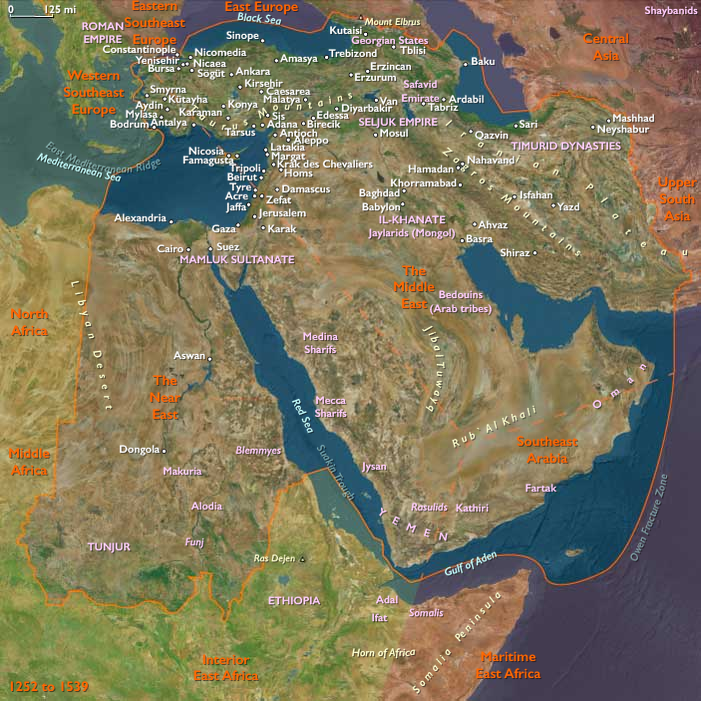
Because Cyprus remains a permanent base of campaign for pirates and adventurers, after raids around the Cypriot coasts, Janus had had repeated discussions with the Sultan of Egypt via the sultan's representatives.
Janus has been unable to stop the raids, which gives the Muslims a reason to attack Cyprus.
Cypriot nobles and officials of the kingdom participate in the raids.
Barsbay, the Sultan of Egypt, has sent military forces to Cyprus several times.
A small force, around 1424, had attacked Limassol, and in 1425 the Egyptian army had attacked Famagusta, then pillaged Larnaca together with the nearby area, including Kiti, Dromolaxia, Kellia, Aradippou and Agrinou.
After Larnaca, they had gone to Limassol, which was also sacked, including the city's castle.
The Mamluks launch a large-scale attack against the island in the summer of 1426.
Led by Tangriver Mohamed and Inal el Kakimi, their army contains over three thousand men and included Mamluks, Turks and Arabs and arrives at the island with one hundred and eighty ships near Avdimou.
Limassol is again occupied.
Janus musters his army and moves from Nicosia to Limassol.
He asks in vain for help from the forces in Europe: the Genoese are his enemies, and the Venetians and others do not want to destroy commercial relations with the sultan.
Following the Battle of Chirokitia against the Mamluks on July 7, 1426, King Janus is captured by the Egyptian forces.
He will be ransomed after ten months of captivity in Cairo.
During his captivity his brother Hugh of Lusignan, Archbishop of Nicosia, takes charge of Cyprus.
After their victory the Mamluks pillaged Larnaca again, then the capital of Cyprus, Nicosia.
The royal family retreats to fortified Kyrenia and are rescued.
The invaders take a great deal of loot and captives before they leave the island.