
Joan I of Navarre
Queen of Navarre; Countess of Champagne; Queen consort of France
1273 CE to 1305 CE
Joan I (January 14, 1273 – March 31/April 2, 1305), the daughter of King Henry I of Navarre and Blanche of Artois, reigns as queen regnant of Navarre and also served as queen consort of France.
World
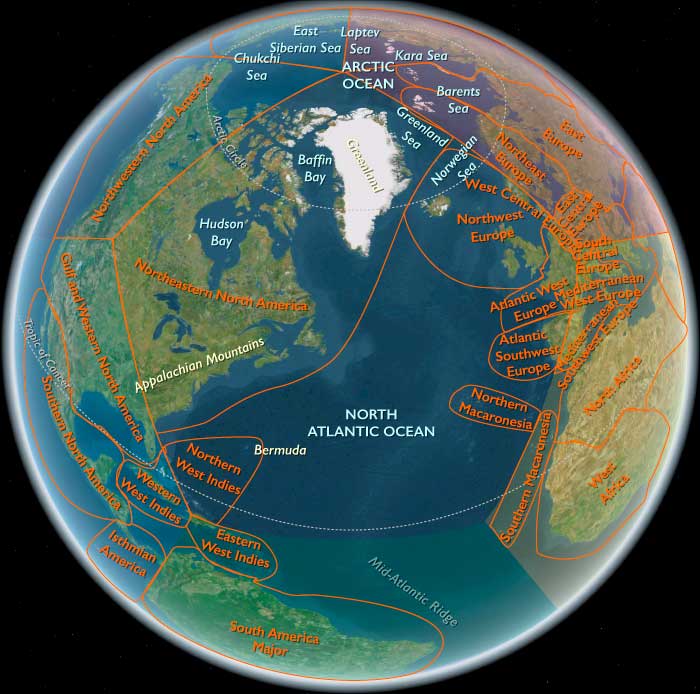
The Atlantic Lands
View →Related Events
Showing 2 events out of 2 total
Joan I of Navarre: Queen, Countess, and Patron of Learning (1273–1305)
Joan I of Navarre, born Jeanne de Champagne on January 14, 1273, in Bar-sur-Seine, Champagne, was a princess of the House of Champagne, inheriting the Kingdom of Navarre and the County of Champagne as an infant. Despite the challenges posed by her early accession and a fragile political situation, she secured her rule through a strategic alliance with France, which would permanently alter the fate of Champagne.
Early Reign: A Child Queen Under Regency
- Joan became Queen of Navarre and Countess of Champagne in 1274 upon the death of her father, King Henry I of Navarre.
- Her mother, Blanche of Artois, acted as regent, overseeing both Champagne and Navarre during Joan's minority.
- The political instability surrounding her inheritance made Joan and her mother vulnerable to external pressuresfrom both Navarrese factions and foreign powers, including Castile and Aragon, who sought influence over Navarre.
Marriage to the Future Philip IV of France (1284)
- Seeking protection from King Philip III of France, Joan’s mother arranged her betrothal to Philip III’s son, the future Philip IV.
- On August 16, 1284, at the age of eleven and a half, Joan married Philip IV, aligning Navarre and Champagne with the Capetian dynasty.
- Upon Philip’s accession in 1285, Joan became Queen Consort of France, a position she held until her death.
Integration of Champagne into France (1285)
- With Joan’s marriage, the County of Champagne was formally integrated into the Kingdom of France, ending its status as an independent principality.
- This had a major economic impact, as Champagne’s historic fairs, particularly in Troyes, declined in significance, losing their status as international commercial hubs for foreign merchants.
Legacy and Contributions
- Joan bore four children who played pivotal roles in European history:
- Louis X, Philip V, and Charles IV—each of whom became King of France in succession.
- Isabella of France, who became Queen Consort of England as the wife of Edward II, later playing a key role in English politics.
- A notable patron of education, Joan founded the famous College of Navarre in Paris, which became a prestigious institution of learning in medieval France.
Impact on Navarre and Champagne
- After Joan’s death in 1305, Navarre was separated from France when her son, Louis X, inherited it separately from the French Crown.
- Champagne, however, remained fully integrated into France, ensuring the permanent end of its autonomous commercial and political status.
Joan I of Navarre’s life was shaped by dynastic politics, territorial integration, and cultural patronage, leaving a lasting legacy on the French monarchy and the history of Champagne and Navarre.
Atlantic Southwest Europe (1300–1311 CE): Portuguese Cultural and Administrative Flourishing, Castilian Political Realignment, and Navarrese Governance Stability
Between 1300 and 1311 CE, Atlantic Southwest Europe—including Galicia, northern and central Portugal, Asturias, Cantabria, and northern Spain south of the Franco-Spanish border (43.05548° N, 1.22924° W)—experienced continued administrative stability, cultural vitality, and political adaptation. Portugal flourished under King Dinis (1279–1325 CE), significantly advancing administrative reforms, intellectual patronage, and economic policies. Castile, under the youthful yet increasingly effective Ferdinand IV (1295–1312 CE), navigated internal aristocratic rivalries to solidify regional governance. Navarre, under Queen Joan I (1274–1305 CE) and subsequently her son Louis I (1305–1316 CE), decisively maintained diplomatic neutrality, regional autonomy, and governance coherence amid shifting Iberian alliances.
Political and Military Developments
Portuguese Administrative and Cultural Flourishing under King Dinis
Under King Dinis, Portugal decisively expanded administrative centralization and legal reforms, significantly enhancing territorial governance and civic stability. His governance decisively promoted agricultural innovations, urban settlements, infrastructure projects, and intellectual patronage. Dinis’ effective leadership significantly solidified Portuguese national identity, territorial coherence, and governance stability, laying enduring foundations for Portugal’s medieval prosperity.
Castilian Political Realignment under Ferdinand IV
In Castile, young King Ferdinand IV gradually stabilized internal political structures, overcoming early aristocratic challenges and regional tensions inherited from his predecessors. Supported by influential advisors, Ferdinand significantly restored governance coherence, frontier security, and regional identity clarity. His increasingly effective administration decisively influenced Castilian territorial integrity and Iberian political stability.
Navarre’s Governance Stability under Joan I and Louis I
Navarre navigated a smooth succession from Queen Joan I to her son Louis I in 1305, decisively maintaining diplomatic neutrality, internal governance stability, and regional autonomy. Louis skillfully continued his mother's prudent diplomacy, carefully balancing relations with Castile, Aragón, and southern territories, significantly preserving Navarrese territorial coherence, governance resilience, and northern Iberian political stability.
Economic Developments
Agricultural Innovation and Sustained Productivity
The region sustained agricultural prosperity, decisively supported by King Dinis’ progressive policies, including land reclamation, new agricultural settlements, and irrigation enhancements. Diverse crop cultivation (grains, olives, vineyards, citrus, almonds), livestock husbandry, artisanal production, and active mining operations (gold and silver from Galicia and Asturias) significantly reinforced regional economic resilience and demographic stability.
Expanded Maritime Commerce and Northern Trade Networks
Portuguese ports—particularly Lisbon, Porto, Braga, and Coimbra—further expanded maritime commerce, significantly strengthening economic connections with northern Europe (England, Flanders, Normandy, Brittany). Galicia, notably through A Coruña, continued active maritime trade, reinforcing regional economic autonomy and prosperity.
Pilgrimage-Driven Economic Continuity
Pilgrimage to Santiago de Compostela sustained regional economic vitality, significantly supporting hospitality industries, artisanal commerce, infrastructure developments, and cultural exchanges. Continued pilgrimage activity decisively reinforced Galicia’s economic resilience, cultural prominence, and regional identity.
Cultural and Religious Developments
Portuguese Intellectual and Cultural Patronage
Under King Dinis, Portugal experienced significant intellectual and cultural advancements, decisively promoting literature, poetry, education, and scholarly traditions. His support for the University of Lisbon (later Coimbra), established in 1290, decisively shaped Portuguese intellectual heritage, linguistic standardization, and cultural identity, significantly influencing Portugal’s enduring medieval trajectory.
Galician Cultural Resilience and Ecclesiastical Patronage
Galicia maintained vibrant cultural continuity, decisively supported by Santiago de Compostela’s international pilgrimage prominence. Ecclesiastical patronage significantly supported scholarly initiatives, architectural projects, manuscript preservation, and educational institutions, profoundly shaping Galician cultural identity and European-wide recognition.
Monastic Intellectual Contributions and Ecclesiastical Influence
Monastic communities sustained vibrant scholarly traditions, manuscript preservation, agricultural innovations, and educational reforms. Ecclesiastical authorities significantly influenced Iberian religious identity, liturgical uniformity, ecclesiastical discipline, and regional cultural coherence.
Persistent Cultural Syncretism and Local Traditions
Orthodox Christianity continued integrating indigenous Iberian and Celtic traditions, notably in rural Galicia and northern Portugal. Persistent cultural syncretism decisively reinforced distinctive regional identities, social cohesion, and cultural resilience amid broader political transformations.
Civic Identity and Governance
Portuguese Territorial Governance and Civic Stability
Under King Dinis, Portugal decisively strengthened territorial governance, administrative coherence, and civic stability. His effective governance significantly solidified Portuguese national identity, territorial integrity, and internal stability, establishing enduring foundations for Portugal’s medieval prosperity and historical trajectory.
Castilian Civic Restoration and Governance Stability
Under Ferdinand IV, Castile decisively stabilized internal political structures, administrative coherence, and regional identity clarity. His increasingly effective reign significantly reinforced Castilian territorial governance, civic coherence, and Iberian geopolitical stability, laying critical foundations for future governance developments.
Navarrese Regional Autonomy and Diplomatic Neutrality
Navarre, under Joan I and subsequently Louis I, maintained resilient regional autonomy, diplomatic neutrality, and stable governance amid shifting Iberian alliances. Their prudent governance decisively preserved territorial integrity, internal governance stability, and northern Iberian geopolitical coherence.
Notable Regional Groups and Settlements
-
Portuguese: Experienced significant administrative and cultural flourishing, governance stability, and civic coherence under King Dinis, decisively shaping Portuguese national identity and medieval historical trajectory.
-
Castilians: Stabilized political structures, administrative coherence, and clearly defined regional identity under Ferdinand IV, significantly influencing Iberian geopolitical stability and regional coherence.
-
Galicians: Maintained vibrant cultural prominence and economic resilience, significantly reinforced by pilgrimage traditions, maritime trade, and ecclesiastical patronage.
-
Basques (Navarre): Preserved regional autonomy, diplomatic neutrality, and stable governance under Joan I and Louis I, significantly shaping northern Iberian geopolitical coherence.
Long-Term Significance and Legacy
Between 1300 and 1311 CE, Atlantic Southwest Europe:
-
Achieved decisive Portuguese administrative flourishing, territorial governance stability, and cultural vitality under King Dinis, significantly shaping Portugal’s medieval identity and historical trajectory.
-
Experienced Castilian political stabilization, administrative coherence, and clearly defined regional identity under Ferdinand IV, decisively influencing Iberian geopolitical stability.
-
Maintained Navarre’s regional autonomy, diplomatic neutrality, and governance stability under Joan I and Louis I, significantly shaping northern Iberian political dynamics.
-
Sustained robust economic prosperity, pilgrimage-driven cultural prominence, maritime commerce, and resilient local governance, decisively influencing Atlantic Southwest Europe’s enduring medieval historical legacy.
This pivotal era decisively influenced regional identities, territorial governance stability, diplomatic alignments, and cultural resilience, profoundly shaping Atlantic Southwest Europe’s medieval historical trajectory.