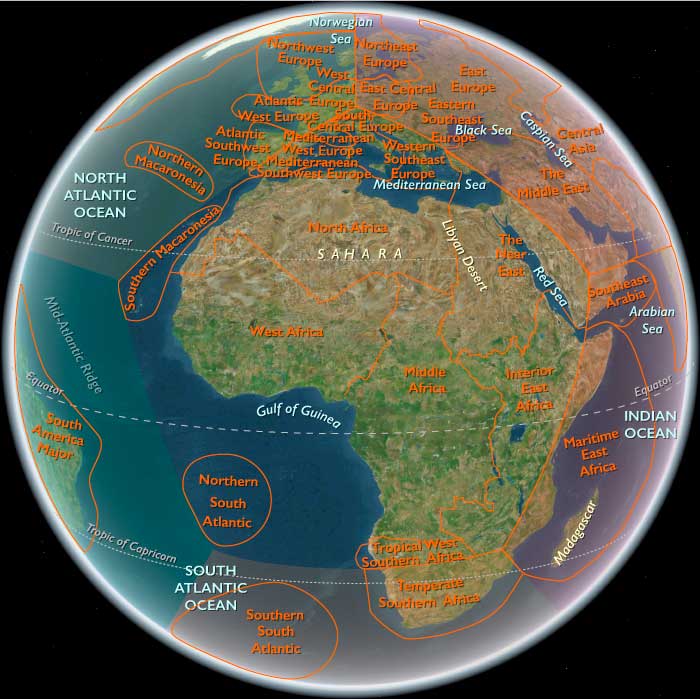
Eastern Southeast Europe (724–735 CE): Iconoclasm and Religious Controversy
Settlement and Migration Patterns
Continued Stability and Cultural Cohesion
From 724 to 735 CE, demographic stability continued within Eastern Southeast Europe, particularly among the well-established Slavic and Bulgar populations. Cultural integration remained strong, supporting regional identity despite broader religious and political upheavals.
Political and Military Developments
Arab Threat Management
The Byzantine Empire remained vigilant against intermittent Arab threats but enjoyed a brief respite following previous successful defenses. Military fortifications continued to be maintained, securing vital regions against external incursions.
Economic and Technological Developments
Economic Stability Through Defensive Strategies
Economic conditions remained stable, supported by continued strategic investment in defense infrastructure. Fortifications and defensive preparations around major urban centers safeguarded vital trade routes and agricultural productivity.
Cultural and Artistic Developments
Religious and Cultural Conflict: Iconoclasm
The defining issue of this era was the Iconoclast controversy, initiated by Emperor Leo III, who publicly condemned the veneration of religious images beginning in 726. Leo's order to destroy the image of Christ at Constantinople's Chalke palace symbolized the policy's aggressive implementation.
Artistic Resistance and Theological Defense
Popular revolts erupted throughout the Byzantine territories, including the Cyclades, Naples, Venice, and Rome, illustrating widespread opposition to iconoclasm. Prominent theologians, notably John Damascene, articulated detailed defenses of religious imagery, firmly establishing theological arguments in support of icons.
Social and Religious Developments
Institutional Division: East vs. West
Emperor Leo III formally declared Iconoclasm as imperial policy in 730, mandating the removal and destruction of sacred images in churches. His stance faced vehement opposition from monastic communities and the broader ecclesiastical establishment, intensifying the rift between imperial authority and religious practice.
Opposition from the Papacy
Pope Gregory II notably rejected Leo III's iconoclastic directives, particularly in regions of Italy under Byzantine influence, underscoring the growing ecclesiastical divide between Eastern Orthodoxy and Western Christianity. This controversy contributed significantly to long-term doctrinal and institutional divergences between East and West.
Impact of Cultural and Military Context
Iconoclasm’s support was particularly pronounced among military and administrative groups from the Empire’s eastern provinces, many influenced by cultural confrontations and threats from Islam. Conversely, Balkan military contingents, generally less supportive of iconoclasm, played a role in influencing imperial attitudes over the era.
Long-Term Consequences and Historical Significance
The era from 724 to 735 CE was deeply marked by the Iconoclast controversy, reshaping Byzantine society, theology, and politics. The religious conflicts that emerged during this period established critical ideological and ecclesiastical distinctions, profoundly influencing the historical development of Eastern Orthodoxy and its complex relationship with Western Christianity.