
Manuel Barillas
President of Guatemala
1845 CE to 1907 CE
Manuel Lisandro Barillas Bercián (January 17, 1845 – April 7, 1907) is a Guatemalan general and acting president of Guatemala from April 6, 1885 to March 15, 1886 and President from March 16, 1886 to March 15, 1892.
He was born in Quetzaltenango, and assassinated (at the behest of his enemy Manuel Estrada Cabrera, President of Guatemala at the time) in Mexico City in 1907.
World
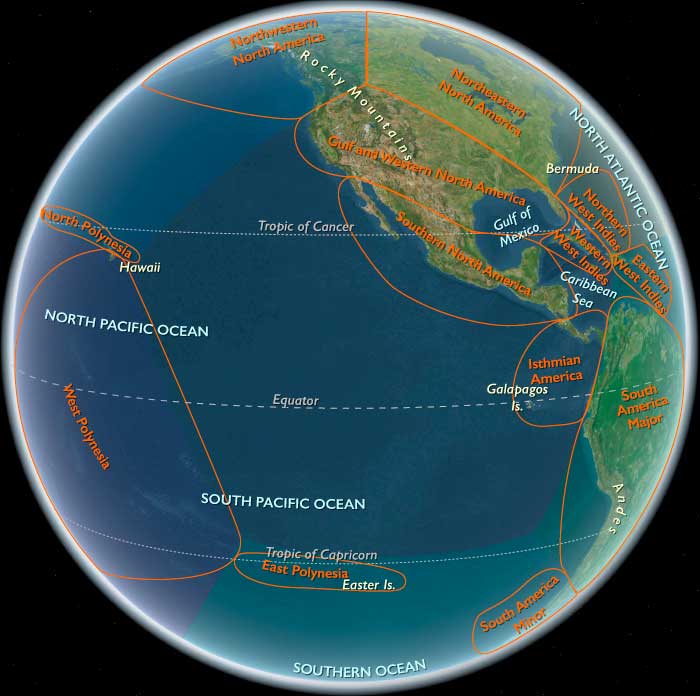
The Far West
View →Related Events
Active Filters
Refine Results
Showing 1 events out of 1 total
Manuel Barillas, who serves as Guatemala's president from March 16, 1886 to March 15, 1892, is unique among liberal presidents of Guatemala between 1871 and 1944: he hands over power to his successor peacefully.
When election time approaches, he sends for the three Liberal candidates to ask them what their government plan would be.
Happy with what he heard from general Reyna Barrios, Barillas makes sure that a huge column of Quetzaltenango and Totonicapán indigenous people come down from the mountains to vote for him.
Reyna is elected president.
José María Reina Barrios is President between 1892 and 1898.
During Barrios's first term in office, the power of the landowners over the rural peasantry increases.
He oversees the rebuilding of parts of Guatemala City on a grander scale, with wide, Parisian-style avenues.
He oversees Guatemala hosting the first "Exposición Centroamericana" ("Central American Fair") in 1897.
During his second term, Barrios prints bonds to fund his ambitious plans, fueling monetary inflation and the rise of popular opposition to his regime.
His administration also works on improving the roads, installing national and international telegraph systems and introducing electricity to Guatemala City.
Completing a transoceanic railway is a primary objective of his government, with the goal of attracting international investors at a time when the Panama Canal is not yet built.
After the assassination of Barrios on February 8, 1898, the Guatemalan cabinet calls an emergency meeting to appoint a new successor, but declines to invite Manuel Estrada Cabrera to the meeting, even though he is the designated successor to the Presidency.
There are two different descriptions of how Cabrera was able to become president.
The first states that Cabrera entered the cabinet meeting "with pistol drawn" to assert his entitlement to the presidency, while the second states that he showed up unarmed to the meeting and demanded the presidency by virtue of being the designated successor.
The first civilian Guatemalan head of state in over fifty years, Estrada Cabrera overcomes resistance to his regime by August 1898 and calls for elections in September, which he wins handily.
In 1898 the Legislature convenes for the election of President Estrada Cabrera, who triumphs thanks to the large number of soldiers and policemen who go to vote in civilian clothes and to the large number of illiterate family members that they bring with them to the polls.
When election time approaches, he sends for the three Liberal candidates to ask them what their government plan would be.
Happy with what he heard from general Reyna Barrios, Barillas makes sure that a huge column of Quetzaltenango and Totonicapán indigenous people come down from the mountains to vote for him.
Reyna is elected president.
José María Reina Barrios is President between 1892 and 1898.
During Barrios's first term in office, the power of the landowners over the rural peasantry increases.
He oversees the rebuilding of parts of Guatemala City on a grander scale, with wide, Parisian-style avenues.
He oversees Guatemala hosting the first "Exposición Centroamericana" ("Central American Fair") in 1897.
During his second term, Barrios prints bonds to fund his ambitious plans, fueling monetary inflation and the rise of popular opposition to his regime.
His administration also works on improving the roads, installing national and international telegraph systems and introducing electricity to Guatemala City.
Completing a transoceanic railway is a primary objective of his government, with the goal of attracting international investors at a time when the Panama Canal is not yet built.
After the assassination of Barrios on February 8, 1898, the Guatemalan cabinet calls an emergency meeting to appoint a new successor, but declines to invite Manuel Estrada Cabrera to the meeting, even though he is the designated successor to the Presidency.
There are two different descriptions of how Cabrera was able to become president.
The first states that Cabrera entered the cabinet meeting "with pistol drawn" to assert his entitlement to the presidency, while the second states that he showed up unarmed to the meeting and demanded the presidency by virtue of being the designated successor.
The first civilian Guatemalan head of state in over fifty years, Estrada Cabrera overcomes resistance to his regime by August 1898 and calls for elections in September, which he wins handily.
In 1898 the Legislature convenes for the election of President Estrada Cabrera, who triumphs thanks to the large number of soldiers and policemen who go to vote in civilian clothes and to the large number of illiterate family members that they bring with them to the polls.