Near East (501–490 BCE): The Ionian Revolt and the Road to Marathon
Ionian Revolt and Persian Response
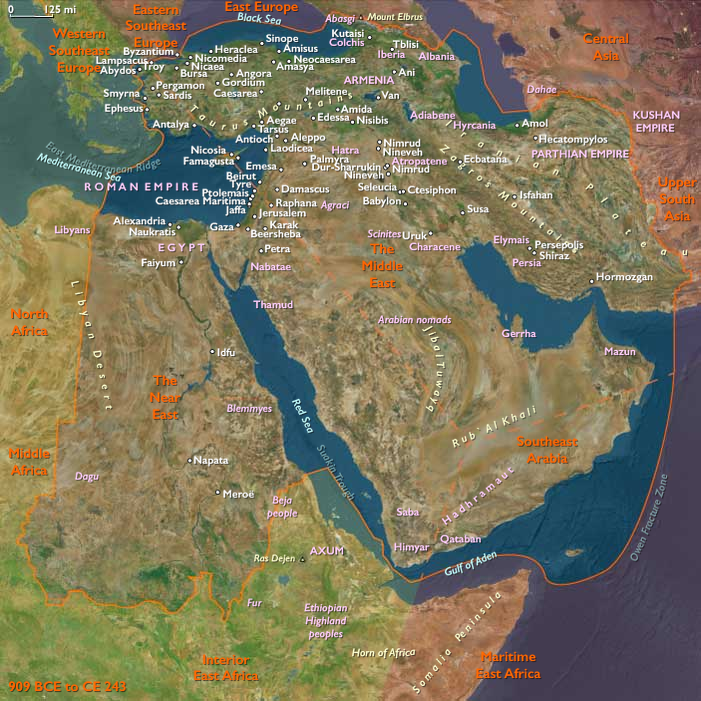
The tensions simmering in western Anatolia erupt into the Ionian Revolt in 499 BCE. Instigated by Aristagoras, the acting ruler of Miletus, this widespread uprising sees the Ionian Greek cities, previously subdued by Persia, rise in rebellion against the authority of Darius I. Aristagoras, initially a client of Persia, turns rebel following a failed attempt to conquer Naxos with Persian support. Fearing punishment, he incites his fellow Ionians to revolt, appealing successfully to mainland Greek cities—most notably Athens and Eretria—for support.
The Ionians, emboldened by temporary success, capture and burn Sardis, the regional Persian capital in Lydia, in 498 BCE. This event shocks the Persians, who launch swift counterattacks, regaining control over most rebellious cities by 494 BCE. Persian forces decisively crush the Ionian fleet at the naval Battle of Lade near Miletus, effectively ending the revolt. Miletus, the intellectual and cultural jewel of Ionia, suffers a severe Persian reprisal, as the city is sacked and many of its inhabitants killed or enslaved. The Ionian cities are placed under more stringent Persian oversight, their autonomy severely curtailed.
Darius I’s Retribution and Expansion
The Ionian uprising, though ultimately unsuccessful, profoundly reshapes Greek-Persian relations. Darius I, angered especially by Athenian and Eretrian involvement in the Ionian Revolt, demands symbolic gestures of submission—tokens of earth and water—from the Greek cities. Many comply, but Sparta and Athens resolutely refuse.
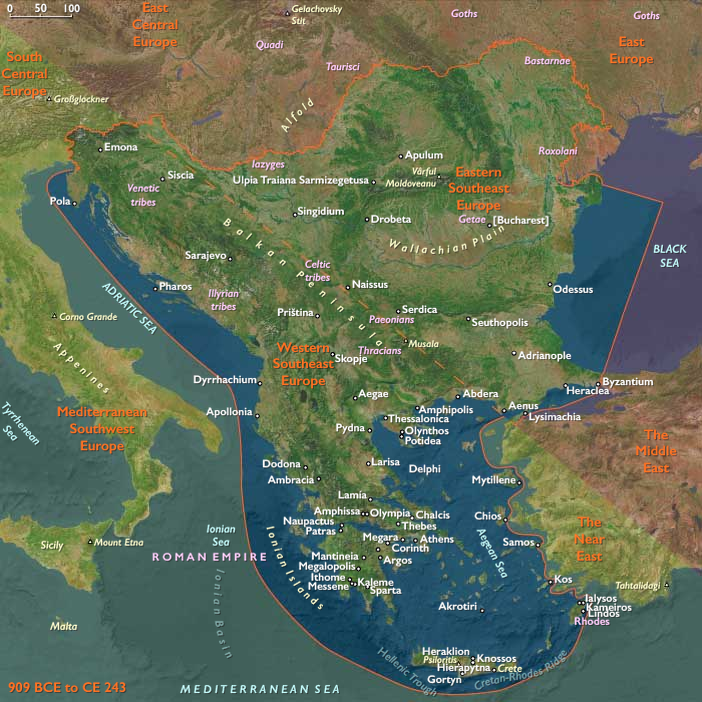
Intent on retribution and aiming to consolidate his hold over the Greek world, Darius commissions military expeditions against mainland Greece. The Persian general Mardonius initially leads an invasion in 492 BCE, reconquering Thrace and Macedonia, but the mission falters when his fleet is severely damaged by storms off the treacherous Athos peninsula.
Internal Developments in Judea and Samaria
In the Levant, meanwhile, tensions persist between the returned Judahites and the neighboring Samaritans. These Samaritans, considered religiously and ethnically distinct by their Judahite neighbors, solidify their own identity centered around the exclusive reverence for the Pentateuch. The communities remain socially and religiously separate, each developing increasingly distinct traditions.
Prelude to Marathon
By 490 BCE, Persian forces, now led by generals Datis and Artaphernes, renew their offensive, successfully attacking Eretria on the island of Euboea, capturing and destroying the city in reprisal for its support of the Ionian rebels. This decisive Persian victory emboldens the empire’s plans to subdue all of Greece, setting the stage for an even more fateful confrontation.
The Persian expeditionary force subsequently lands near Marathon, northeast of Athens, triggering preparations for a climactic battle that will not only determine Greek autonomy but also significantly alter the historical trajectory of both the Persian Empire and the emerging power of the Greek city-states.
Legacy of the Era
The era 501–490 BCE thus marks a pivotal turning point in ancient Near Eastern and Mediterranean history. The Ionian Revolt and subsequent Persian reprisals ignite broader hostilities, leading directly to the famed Battle of Marathon. The events of this period reinforce Persian authority in Anatolia and the Near East, crystallize ethnic and religious identities in Judea and Samaria, and lay the foundations for intensified cultural and political confrontations that shape the classical world.