Mikhail Gorbachev
eighth and last leader of the Soviet Union
Years: 1931 - 2215
Mikhail Sergeyevich Gorbachev (born March 2, 1931) is a Russian and former Soviet politician.
The eighth and last leader of the Soviet Union, he is the general secretary of the Communist Party of the Soviet Union from 1985 until 1991.
He is also the country's head of state from 1988 until 1991, serving as the chairman of the Presidium of the Supreme Soviet from 1988 to 1989, chairman of the Supreme Soviet from 1989 to 1990, and president of the Soviet Union from 1990 to 1991.
Ideologically, he had initially adhered to Marxism–Leninism although by the early 1990s had moved toward social democracy.
Of mixed Russian and Ukrainian heritage, Gorbachev was born in Privolnoye, Stavropol Krai, to a poor peasant family.
Growing up under the rule of Joseph Stalin, in his youth he operates combine harvesters on a collective farm before joining the Communist Party, which at this time governs the Soviet Union as a one-party state according to Marxist-Leninist doctrine.
While studying at Moscow State University, he marries fellow student Raisa Titarenko in 1953 prior to receiving his law degree in 1955.
Moving to Stavropol, he works for the Komsomol youth organization and, after Stalin's death, becomes a keen proponent of the de-Stalinization reforms of Soviet leader Nikita Khrushchev.
He is appointed the First Party Secretary of the Stavropol Regional Committee in 1970, in which position he oversees construction of the Great Stavropol Canal.
In 1978 he returns to Moscow to become a Secretary of the party's Central Committee and in 1979 joins its governing Politburo.
Within three years of the death of Soviet leader Leonid Brezhnev, following the brief regimes of Yuri Andropov and Konstantin Chernenko, the Politburo elects Gorbachev as General Secretary, the de facto head of government, in 1985.
Although committed to preserving the Soviet state and to its socialist ideals, Gorbachev believes significant reform is necessary, particularly after the 1986 Chernobyl disaster.
He withdraws from the Soviet–Afghan War and embarks on summits with United States President Ronald Reagan to limit nuclear weapons and end the Cold War.
Domestically, his policy of glasnost ("openness") allows for enhanced freedom of speech and press, while his perestroika ("restructuring") seeks to decentralize economic decision making to improve efficiency.
His democratization measures and formation of the elected Congress of People's Deputies undermines the one-party state.
Gorbachev declines to intervene militarily when various Eastern Bloc countries abandon Marxist-Leninist governance in 1989–90.
Internally, growing nationalist sentiment threatens to break up the Soviet Union, leading Marxist-Leninist hardliners to launch the unsuccessful August Coup against Gorbachev in 1991.
In the wake of this, the Soviet Union dissolves against Gorbachev's wishes and he resigns.
leaving office, he launches his Gorbachev Foundation, becomes vocal critic of Russian Presidents Boris Yeltsin and Vladimir Putin, and campaigns for Russia's social-democratic movement.
Widely considered one of the most significant figures of the second half of the twentieth century, Gorbachev remains the subject of controversy.
The recipient of a wide range of awards—including the Nobel Peace Prize—he is widely praised for his pivotal role in ending the Cold War, curtailing human rights abuses in the Soviet Union, and tolerating both the fall of Marxist–Leninist administrations in eastern and central Europe and the reunification of Germany.
Conversely, in Russia he is often derided for not stopping the Soviet collapse, an event which brings a decline in Russia's global influence and precipitates an economic crisis.
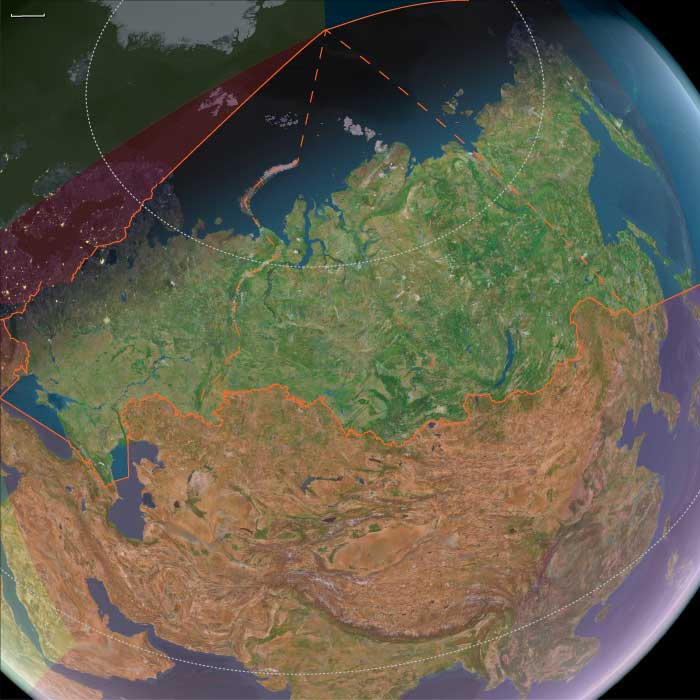
Related Events
Filter results
Showing 10 events out of 10 total
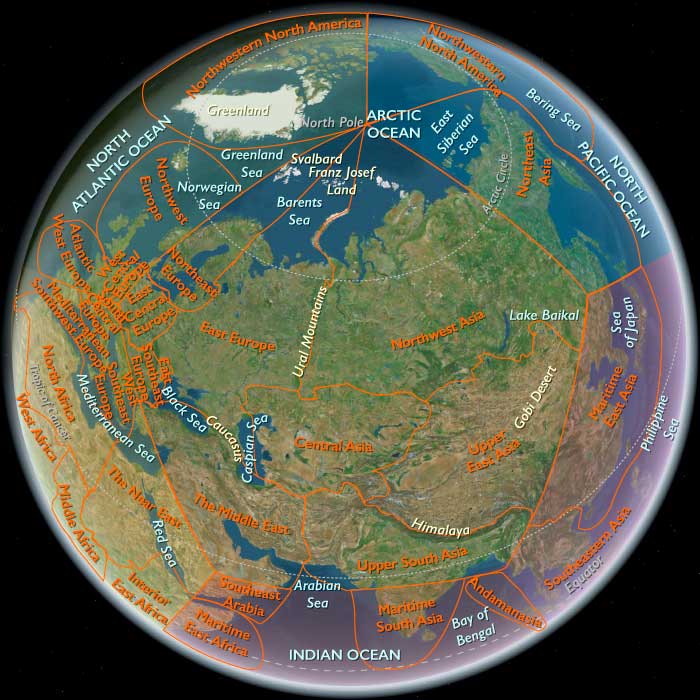
Northeast Asia (1984–1995 CE)
Shifts in Geopolitics, Economic Transition, and Environmental Challenges
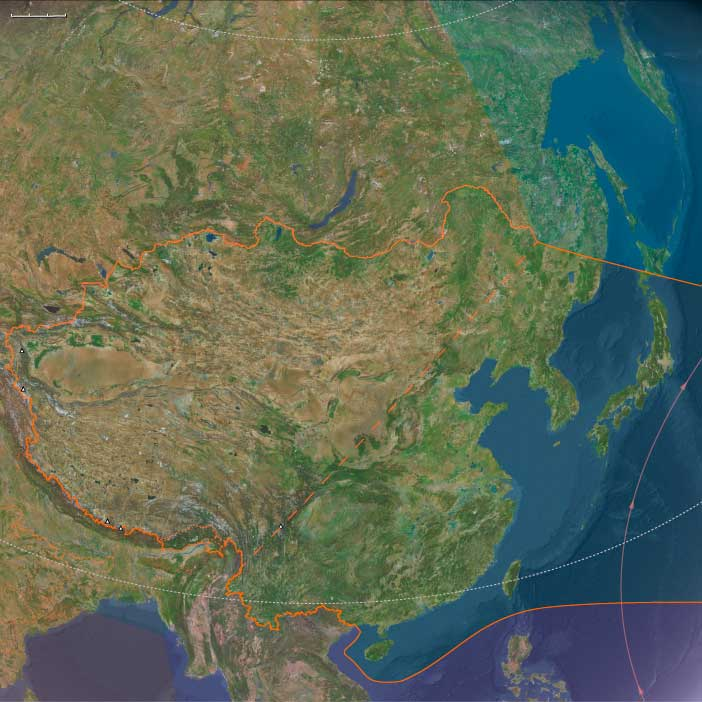
Between 1984 and 1995, Northeast Asia—encompassing eastern Siberia (east of 130°E), northeastern China's Heilongjiang province, northern Primorsky Krai, and most of Hokkaido excluding its southwestern portion—experienced significant geopolitical shifts, economic transitions, and deepening environmental challenges.
The later stages of the Cold War saw considerable change in regional geopolitics. Under the leadership of Mikhail Gorbachev, the Soviet Union introduced policies of glasnost (openness) and perestroika (restructuring), aiming to reform and revitalize the Soviet economy and society. These changes resulted in decreased military tension and a shift toward diplomatic engagement, notably with Japan over the disputed Kuril Islands. However, despite improved diplomatic dialogue, resolution of this territorial conflict remained elusive, continuing to influence regional security dynamics.
With the collapse of the Soviet Union in 1991, Northeast Asia entered a period of profound economic transformation. The newly formed Russian Federation faced substantial economic challenges, including sharp declines in industrial output, resource extraction disruptions, and deteriorating infrastructure. Economic hardship was widespread, affecting both urban populations and indigenous communities such as the Evenki, Chukchi, Koryaks, and Itelmen, whose traditional lifestyles had already been severely disrupted by decades of industrialization and militarization.
The establishment of the Sakha Republic and the Chukotka Autonomous Okrug in 1992 marked significant administrative and political shifts. These new regional entities aimed to provide greater autonomy and self-determination for indigenous peoples, enhancing local governance and cultural preservation.
The economic restructuring process opened Northeast Asia to increased foreign investment, especially from neighboring China, Japan, and South Korea. Investment primarily targeted resource extraction industries, fisheries, and infrastructure projects, leading to intensified exploitation of regional resources. China's northeastern province of Heilongjiang expanded its industrial capacity and cross-border trade, becoming an economic focal point for Sino-Russian cooperation.
Environmental degradation continued to pose significant challenges. Persistent industrial activity, including mining and large-scale fishing, exacerbated ecological damage, resulting in severe water pollution, habitat destruction, and declining fish stocks. Increased deforestation and air pollution further threatened regional biodiversity and public health. The recognition of these environmental crises grew steadily, prompting local and international calls for more stringent conservation and sustainability measures.
Indigenous communities increasingly advocated for the protection of their traditional lands and rights, joining broader international movements supporting indigenous cultural preservation and environmental justice. These advocacy efforts gradually influenced governmental policies, leading to modest improvements in the recognition and support for indigenous peoples in Siberia and the Russian Far East.
By 1995, Northeast Asia had become a region shaped by geopolitical realignment following the Soviet collapse, economic transition and integration into global markets, and intensifying environmental and indigenous rights concerns. These interconnected dynamics continued to shape the region’s development into the subsequent era.
Central Asia (1984–1995 CE): Soviet Collapse, National Independence, and Early Nation-Building
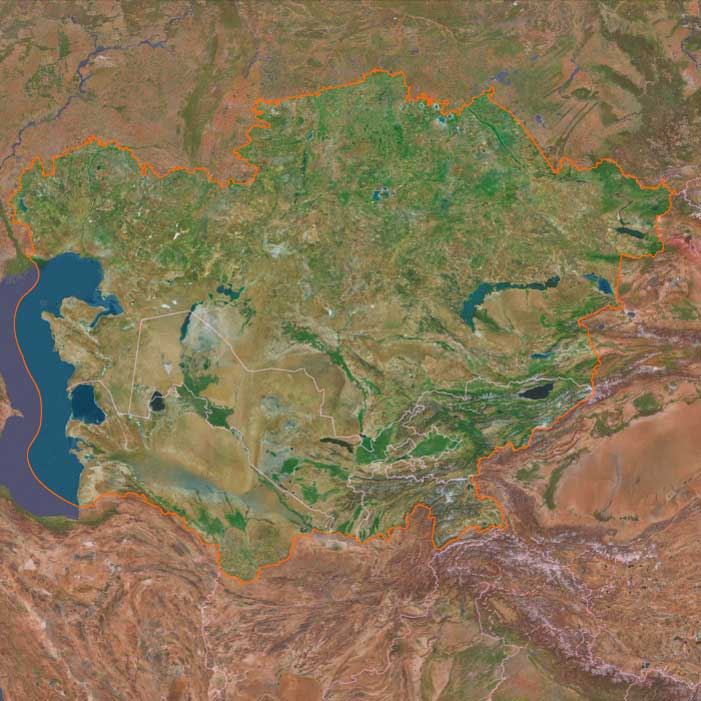
From 1984 to 1995 CE, Central Asia—covering modern-day Kazakhstan, Kyrgyzstan, Uzbekistan, Tajikistan, and Turkmenistan—underwent dramatic historical shifts marked by the decline and collapse of the Soviet Union, emergence of independent nation-states, and significant political, economic, and cultural transformations. This era decisively reshaped Central Asia’s contemporary landscape.
Political Developments
Decline and Collapse of Soviet Authority
From 1985, Soviet leader Mikhail Gorbachev introduced perestroika (restructuring) and glasnost (openness), inadvertently accelerating nationalist movements in Central Asia. By 1991, the Soviet Union collapsed, allowing the five Central Asian republics to declare independence, rapidly transitioning from Soviet republics to sovereign nations.
Emergence of Independent Nation-States
In 1991, Kazakhstan, Kyrgyzstan, Uzbekistan, Tajikistan, and Turkmenistan became independent nations. Early nation-building efforts began immediately, with former Communist Party leaders—such as Islam Karimov in Uzbekistan, Saparmurat Niyazov in Turkmenistan, and Nursultan Nazarbayev in Kazakhstan—assuming presidency and consolidating power.
Tajikistan’s Civil War
Between 1992 and 1997, Tajikistan descended into a devastating civil war involving regional, ideological, and clan-based factions. The conflict destabilized the country profoundly, leading to significant loss of life, economic collapse, and regional instability.
Economic Developments
Economic Transition and Crisis
Central Asian states faced severe economic crises after independence, as Soviet-era subsidies and centralized economic structures collapsed. Rapid transition to market economies caused unemployment, inflation, shortages, and socio-economic hardships, severely impacting the living standards of millions.
Foreign Investment and Resource Development
Despite early economic turmoil, Central Asian countries attracted international interest due to vast natural resources. Kazakhstan and Turkmenistan, particularly, attracted significant foreign investment in their oil and gas sectors, laying the foundations for later economic recovery and development.
Cultural and Religious Developments
Revival of National Identities and Culture
With independence, Central Asian nations revitalized their cultural heritage, promoting national languages, history, traditions, and cultural symbols. Statues, museums, national holidays, and educational curricula emphasized unique ethnic identities, distancing newly independent states from Soviet legacies.
Islamic Resurgence and Religious Freedom
Islam experienced a substantial revival as state-imposed atheism disappeared. Mosques reopened, religious education expanded, and Islamic traditions regained visibility in public life. However, governments maintained cautious oversight, balancing religious revival with fears of political Islamism.
Social Developments and Urbanization
Rapid Social Change and Migration
Post-independence economic crises prompted mass emigration of ethnic Russians and other minorities from Central Asia, significantly altering regional demographics. Simultaneously, rural populations migrated increasingly to urban areas seeking employment, exacerbating urban infrastructure pressures.
Educational and Social Challenges
Economic hardships severely impacted education and healthcare, previously supported by Soviet subsidies. Despite retaining high literacy rates, educational quality and access declined markedly, reflecting broader social challenges during the transition.
Long-Term Consequences and Historical Significance
The era from 1984 to 1995 CE was transformative for Central Asia, witnessing the end of Soviet dominance and birth of sovereign nation-states. Politically, this period laid the foundations for Central Asia’s contemporary authoritarian and semi-authoritarian political systems. Economically, the early hardships established enduring patterns of resource-dependent economies and external investment reliance. Culturally and socially, independence reshaped national identities and religious practices, significantly influencing the region’s modern identity and trajectory.
East Europe (1984–1995 CE): Collapse of Communism and Post-Cold War Transitions
Political and Military Developments
End of Communist Rule
This era marked the dramatic collapse of communist regimes throughout Eastern Europe. The mid-to-late 1980s saw increased pressure from dissident movements, economic hardships, and changing geopolitical circumstances, notably influenced by Soviet leader Mikhail Gorbachev's policies of perestroika and glasnost.
Revolutions of 1989
The pivotal Revolutions of 1989 peacefully dismantled communist governments across the region, symbolized by the fall of the Berlin Wall. Nations such as Poland, Hungary, Czechoslovakia, East Germany, Bulgaria, and Romania transitioned to democratic governance, significantly altering regional political landscapes.
Dissolution of the Soviet Union
The political and economic reforms culminated in the dissolution of the Soviet Union in 1991, profoundly reshaping geopolitical alignments. Newly independent states emerged, notably Russia, Ukraine, Belarus, and the Baltic nations, dramatically transforming Eastern Europe's political structure.
Economic and Technological Developments
Transition to Market Economies
Eastern European countries underwent challenging transitions from centrally planned economies to market-driven systems. These transformations involved extensive economic restructuring, privatization efforts, and integration into global markets, accompanied by significant social and economic disruptions.
Technological Integration
Rapid integration of Western technologies occurred as Eastern Europe opened its economies to foreign investment and innovation. Technological modernization became crucial for economic recovery and competitive positioning within the global economy.
Cultural and Artistic Developments
Cultural Liberation and Diversification
The collapse of communism led to significant cultural liberalization, enabling diverse artistic expression and intellectual freedom. Cultural institutions flourished as censorship lifted, revitalizing literature, media, and the arts throughout the region.
Educational Reforms and Internationalization
Educational reforms focused on democratization, decentralization, and internationalization, significantly reshaping academic institutions. Higher education institutions increasingly collaborated internationally, fostering exchanges of knowledge and innovation.
Settlement Patterns and Urban Development
Urban Revitalization and Development
Urban areas underwent significant revitalization and redevelopment, addressing decades of infrastructural neglect. Investments focused on upgrading transportation networks, improving housing, and modernizing public services, transforming urban environments.
Strategic Reorientation
Military and strategic infrastructures realigned significantly, reflecting the new geopolitical realities. Border fortifications and military installations were reconfigured or dismantled as countries redefined their defense policies and security alliances.
Social and Religious Developments
Democratization and Social Change
Democratic reforms profoundly reshaped social structures, expanding political freedoms and civil liberties. Societies experienced rapid change and openness, addressing historical grievances and exploring new social models.
Revival of Religious Life
The post-communist era experienced a notable revival of religious expression and activity across Eastern Europe. Religious institutions regained autonomy and influence, playing active roles in societal rebuilding and reconciliation processes.
Long-Term Consequences and Historical Significance
The period from 1984 to 1995 CE was transformative, fundamentally reshaping Eastern Europe's political, economic, and social landscapes. The collapse of communism and transition toward democracy and market economies significantly altered regional dynamics and global geopolitics, setting a new course for Eastern Europe’s development in the post-Cold War era.
The last Soviet leader, Mikhail Gorbachev, who seeks to enact liberal reforms in the Soviet system, introduces the policies of glasnost (openness) and perestroika (restructuring) from 1985 onward, in an attempt to end the period of economic stagnation and to democratize the government.
This, however, leads to the rise of strong nationalist and separatist movements across the country.
Prior to 1991, the Soviet economy is the world's second-largest, but during its final years, it goes into a crisis.
Economic and political turmoil begins to boil over in 1991 as the Baltic states choose to secede from the Soviet Union.
On March 17, a referendum is held, in which the vast majority of participating citizens vote in favor of changing the Soviet Union into a renewed federation.
In June 1991, Boris Yeltsin becomes the first directly elected president in Russian history when he is elected president of the Russian SFSR.
In August 1991, a coup d'état attempt by members of Gorbachev's government, directed against Gorbachev and aimed at preserving the Soviet Union, instead leads to the end of the Communist Party of the Soviet Union.
On December 25, 1991, following the dissolution of the Soviet Union, along with contemporary Russia, fourteen other post-Soviet states emerge.
Northeast Europe (1984–1995 CE): The End of the Cold War, Baltic Independence, and Nordic Integration
Between 1984 and 1995 CE, Northeast Europe underwent momentous transformations, highlighted by the end of the Cold War, the collapse of Soviet authority, Baltic independence movements, and deepened integration among the prosperous Nordic nations—Denmark, Norway, Sweden, and Finland. This era fundamentally reshaped regional geopolitics, economics, and cultural dynamics, creating new alignments and opportunities for the future.
Finland: Diplomatic Transition and European Integration
Finland transitioned from its Cold War-era neutrality to deeper European integration during this period. Under Presidents Mauno Koivisto (1982–1994) and Martti Ahtisaari (from 1994), Finland skillfully navigated the collapse of the Soviet Union, rapidly reorienting its foreign policy westward while preserving stable relations with Russia. Finland decisively joined the European Union in 1995, marking a historic shift from its cautious Cold War neutrality.
Economically, Finland experienced notable growth, particularly in telecommunications, spearheaded by companies like Nokia, which emerged as a global leader in mobile technology. The welfare state remained robust, offering universal healthcare, quality education, and comprehensive social security, sustaining Finland’s high living standards and social equality.
Baltic Republics: National Awakening and Independence
The Baltic republics—Estonia, Latvia, and Lithuania—witnessed extraordinary transformations. Spurred by Soviet leader Mikhail Gorbachev’s policies of glasnost (openness) and perestroika (restructuring), nationalist movements gained momentum in the late 1980s.
In 1988, the Baltic Singing Revolution—peaceful, mass demonstrations employing folk songs and cultural symbolism—emboldened resistance to Soviet rule. The Baltic Way (1989), a remarkable human chain of two million Estonians, Latvians, and Lithuanians linking hands across the three republics, signaled an unprecedented demand for independence.
In 1990–1991, amid the collapse of Soviet authority, Lithuania (March 11, 1990), Latvia (August 21, 1991), and Estonia (August 20, 1991) declared independence, quickly achieving international recognition. Soviet military intervention attempts in January 1991 (notably in Vilnius and Riga) failed, reflecting irreversible political shifts. In September 1991, all three states gained formal independence, joined the United Nations, and swiftly began democratic and economic reforms, transitioning from Soviet central planning toward market-oriented economies.
Denmark: Deepened European Integration and Welfare Expansion
Under Prime Minister Poul Schlüter (1982–1993) and subsequently Poul Nyrup Rasmussen (from 1993), Denmark solidified its role within Europe. Though Danish voters rejected the Maastricht Treaty in a 1992 referendum, a revised agreement (Edinburgh Agreement) secured approval in 1993, facilitating Denmark's continued participation in the European Union under specific opt-outs.
Denmark maintained economic prosperity, driven by advanced manufacturing, trade, finance, and innovation, while further strengthening its comprehensive welfare state, enhancing healthcare, education, social services, environmental protection, and gender equality.
Norway: Wealth, Welfare, and European Ambivalence
Norway, under Prime Ministers Kåre Willoch (1981–1986) and Gro Harlem Brundtland (1986–1989, 1990–1996), experienced sustained prosperity due to prudent management of its oil and gas reserves. Robust economic growth allowed further expansion of its welfare state, elevating Norway’s standard of living and social equality to among the world’s highest.
In 1994, Norwegians once again narrowly rejected European Union membership through a referendum, affirming Norway’s longstanding skepticism of European integration and highlighting its emphasis on preserving national sovereignty while engaging economically through agreements such as the European Economic Area (EEA) in 1994.
Sweden: European Integration and Social Innovation
Sweden experienced a crucial political and economic transition under Prime Ministers Olof Palme (until his assassination in 1986), Ingvar Carlsson (1986–1991, 1994–1996), and Carl Bildt (1991–1994). Palme’s assassination shocked Sweden, marking a turning point in Swedish politics and society. Sweden increasingly opened its economy, facing economic restructuring in the early 1990s due to global recession pressures.
Sweden decisively joined the European Union in 1995, signaling a significant shift from its earlier policy of European neutrality. Swedish society continued championing progressive policies in gender equality, human rights, environmental sustainability, and international development aid, reinforcing its global reputation as a progressive social-democratic model.
Economic and Social Transitions in the Baltics
Following independence, Estonia, Latvia, and Lithuania rapidly transitioned toward democratic governance, adopting market economies, privatizing state-owned enterprises, and reorienting trade toward Western Europe. Estonia notably implemented pioneering economic reforms, embracing digital technology and free-market policies.
Despite initial economic hardship, including unemployment and inflation, these reforms laid foundations for significant economic growth and eventual integration into European institutions. Educational and cultural institutions flourished, strongly reviving national languages, cultures, and histories suppressed during Soviet rule.
Technological Innovation, Education, and Global Competitiveness
Throughout the Nordic nations, substantial investments in education and technological infrastructure drove economic growth and global competitiveness. Finland emerged as a global technological leader, notably through Nokia. Sweden excelled in engineering, pharmaceuticals, telecommunications, and automotive sectors. Denmark maintained strength in renewable energy (wind power), biotechnology, agriculture, and innovation-driven industries. Norway diversified its oil-funded economy into advanced technology, shipping, fisheries, and sustainable development.
Environmental Leadership and Sustainable Development
Nordic countries solidified global leadership in environmental sustainability, renewable energy adoption, and ecological innovation. Denmark’s wind-power industry gained international recognition; Norway prioritized sustainable resource management; Sweden and Finland integrated environmental sustainability into policymaking, education, and industry, enhancing their international reputations as pioneers in ecological stewardship and climate awareness.
Nordic Regional Cooperation and Baltic-Nordic Integration
Regional cooperation intensified during this era. The Nordic Council promoted economic, environmental, and cultural collaboration among Denmark, Finland, Norway, Sweden, and Iceland. After independence, the Baltic states quickly sought deeper cooperation with Nordic neighbors, receiving substantial Nordic political support, development aid, technical assistance, and cultural exchanges, significantly facilitating their democratic and economic transitions.
Cultural Flourishing and Social Movements
This period witnessed vigorous cultural and social transformations. Baltic societies reclaimed national cultural identities—reviving traditional music, literature, folklore, and educational reforms. The Nordic countries intensified advocacy for gender equality, LGBTQ+ rights, peace initiatives, indigenous rights (notably Sámi), and global humanitarian efforts.
Legacy of the Era
The period 1984–1995 CE profoundly reshaped Northeast Europe. It marked the peaceful yet dramatic liberation of Estonia, Latvia, and Lithuania from Soviet control, bringing freedom, democratic governance, and market-oriented economies. Finland redefined its geopolitical position through EU membership, shifting decisively westward. Denmark and Sweden deepened their European integration, embracing EU membership while maintaining distinct Nordic welfare traditions. Norway reinforced its unique economic prosperity, emphasizing independence through EEA membership.
This era significantly defined Northeast Europe’s contemporary identity, economic alignment, democratic governance, cultural resilience, and international standing, laying the foundations for continued regional integration, European cooperation, and enduring societal progress into the twenty-first century.
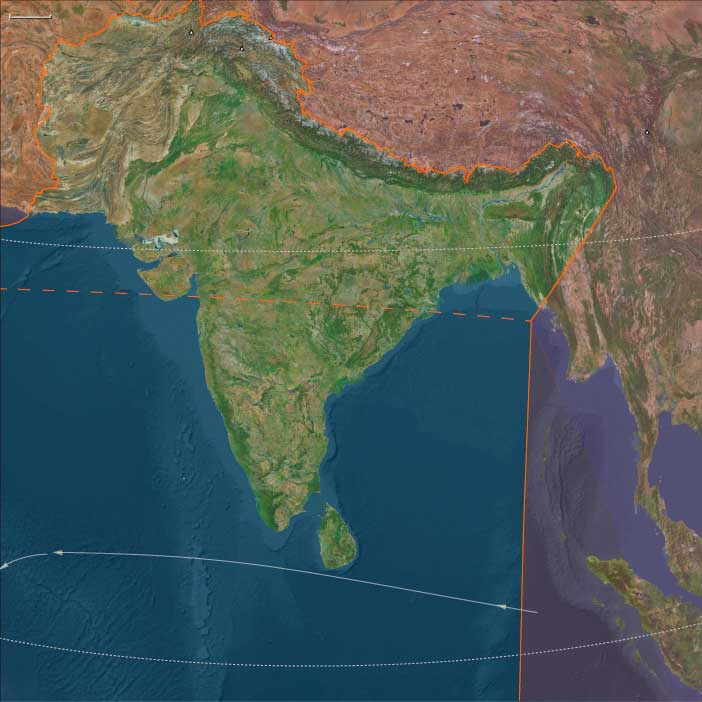
The primary stumbling blocks between the foreign ministers of Afghanistan and Pakistan are the timetable for the withdrawal of Soviet troops and the cessation of arms supplies to the mujahideen, although more or less continuous talks have been underway in Geneva since 1982 under the auspices of the UN.
In February 1988, Soviet leader Mikhail Gorbachev announces the withdrawal of USSR troops.
Peace accords between the governments of Pakistan and Afghanistan, with the United States and Soviet Union serving as guarantors, are finally signed in April.
The agreement, known as the Geneva accords, includes five major documents.
Among other things, the accords call for US and Soviet non-interference in the internal affairs of Pakistan and Afghanistan, the right of refugees to return to Afghanistan without fear of persecution or harassment, and, most important, a timetable that ensures full Soviet withdrawal from Afghanistan by February 15, 1989.
Gorbachev subsequently carries out his earlier promise to begin withdrawing Soviet troops in May of this year; troops begin pulling out as scheduled.
Significantly, the mujahideen are party to neither the negotiations nor to the 1988 agreement.
Consequently, they refuse to accept the terms of the accords.
Washington's stunning announcement leads Yitzhak Shamir to form another national unity government, with Yitzhak Rabin again as defense minister and Shimon Peres as finance minister.
Rabin is convinced that Israel needs a political initiative to end the Intifada and deflect the PLO.
He persuades Shamir to revive the Camp David-era autonomy plan, but this time it is stripped of its Jordanian component and aimed specifically at the Palestinians.
Israel is also facing a new U.S. administration, led by President George H. W. Bush, which is determined to restrict Israeli settlement expansion.
Efforts by the United States to create an Israeli-Palestinian negotiation on autonomy, however, are rejected by Shamir, who insists that the Palestinian negotiating team be drawn exclusively from residents of Gaza and the West Bank and not from Jerusalem or the PLO.
Peres thereupon resigns from the unity government, only to be outmaneuvered by Shamir, who forms a Likud-dominated coalition that excludes Labor.
The prime minister decides to ride out the Intifada while concentrating on a sudden breakthrough with the Soviet Union: as part of Soviet leader Mikhail Gorbachev's reforms, a massive number of Soviet Jews are allowed to emigrate to Israel (the exodus will continue after the Russian Federation is created in the early 1990s.
Included among the hundreds of thousands of new arrivals are many highly trained doctors, engineers, and scientists.)
Northeast Asia (1996–2007 CE)
Economic Integration, Indigenous Advocacy, and Environmental Preservation
Between 1996 and 2007, Northeast Asia—encompassing eastern Siberia (east of 130°E), northeastern China's Heilongjiang province, northern Primorsky Krai, and most of Hokkaido excluding its southwestern portion—experienced ongoing economic integration, increased advocacy for indigenous rights, and heightened environmental preservation efforts.
Economic ties between Russia, China, Japan, and South Korea deepened significantly during this period. Northeastern China, particularly Heilongjiang province, solidified its position as a critical hub for Sino-Russian trade. Investments from China flowed into resource extraction, infrastructure development, and cross-border economic cooperation zones. Primorsky Krai emerged as a strategic gateway for Russia's trade with Asia-Pacific markets, with the port city of Vladivostok gaining increased prominence.
Japan continued diplomatic efforts to resolve the long-standing dispute over the Kuril Islands with Russia. Although formal resolution remained elusive, diplomatic dialogues persisted, occasionally advancing economic cooperation and cultural exchanges between Hokkaido and neighboring Russian territories.
Indigenous peoples, including the Evenki, Chukchi, Koryaks, Itelmen, and other native groups, intensified their advocacy for recognition, rights, and sustainable development practices. The establishment of entities like the Sakha Republic and Chukotka Autonomous Okrug enabled greater regional autonomy, fostering local governance initiatives to better manage resources and cultural heritage. Additionally, the formation of Kamchatka Krai in 2007, through the merger of Kamchatka Oblast and the Koryak Autonomous Okrug, marked another significant administrative restructuring aimed at improving governance and economic management in the region.
Environmental issues garnered increased attention, driven by concerns over biodiversity loss, resource depletion, and climate change impacts. International and local conservation groups collaborated to protect vulnerable ecosystems and endangered species. Initiatives aimed at mitigating deforestation, managing fisheries sustainably, and curbing industrial pollution gained momentum, influencing policy shifts toward environmental sustainability.
Despite these advancements, challenges persisted. Economic growth often exacerbated environmental pressures, particularly through intensified resource extraction and infrastructural expansion. Indigenous communities continued facing socioeconomic disparities and ongoing threats to their traditional lifestyles, necessitating further advocacy and policy interventions.
By 2007, Northeast Asia had evolved into a region characterized by deeper economic interdependence, heightened indigenous advocacy, and proactive environmental conservation. These dynamics set the stage for ongoing regional development, emphasizing sustainable practices, cultural preservation, and international cooperation.
East Europe (1996–2007 CE): Consolidation of Democracy, Integration, and New Challenges
Political and Military Developments
Democratic Consolidation and EU Expansion
This era marked the continued consolidation of democratic institutions across Eastern Europe, accompanied by efforts toward integration into Western structures. Several countries, including Poland, Hungary, Czech Republic, Slovakia, and the Baltic states, successfully joined the European Union (EU) in 2004, significantly reshaping regional politics.
NATO Enlargement
NATO expansion into Eastern Europe during this period notably strengthened regional security ties. Poland, Hungary, and the Czech Republic joined NATO in 1999, followed by Bulgaria, Romania, Slovakia, Slovenia, and the Baltic nations in 2004, altering regional security dynamics and geopolitical alignments.
Rising Geopolitical Tensions
Eastern Europe witnessed renewed geopolitical tensions, particularly regarding Russia’s influence over former Soviet republics and Eastern European states. Issues such as energy dependency and regional security concerns highlighted underlying geopolitical complexities.
Economic and Technological Developments
Economic Stabilization and Growth
Eastern European economies stabilized and experienced significant growth due to market-oriented reforms, foreign investments, and increased trade within the EU framework. Improved economic performance boosted living standards, though disparities persisted within and among nations.
Technological Advancement and Digital Integration
Accelerated technological advancements and digital integration occurred, notably through increased internet connectivity, telecommunications improvements, and expansion of digital services. Eastern Europe rapidly integrated into the global technological landscape, significantly transforming economies and societies.
Cultural and Artistic Developments
Cultural Renaissance and Global Integration
Cultural activities flourished with greater international exposure, fostering diverse artistic expressions and cultural exchanges. Eastern European cinema, literature, and arts gained increased global recognition, reflecting the region's evolving cultural identity.
Education and Innovation Expansion
Educational reforms continued, prioritizing innovation, international collaboration, and technological development. Higher education institutions increasingly partnered globally, enhancing research capabilities and academic standards.
Settlement Patterns and Urban Development
Urban Modernization and Infrastructure Upgrades
Significant urban modernization projects continued across major cities, improving infrastructure, transportation, public services, and housing. Cities like Warsaw, Prague, Budapest, and Bucharest experienced extensive redevelopment and growth.
Strategic Realignment
Military and strategic infrastructure continued realignment with NATO integration, enhancing regional security through improved military capabilities, infrastructure investments, and international collaboration.
Social and Religious Developments
Social Transformation and EU Integration
Societal structures continued evolving significantly, influenced by democratic consolidation and EU integration processes. Social policies increasingly aligned with European standards, addressing human rights, social equity, and civil liberties.
Religious Diversity and Renewed Influence
Religious diversity increased, and religious institutions maintained strong societal roles, influencing social and political dynamics. Religious organizations actively participated in public discourse and contributed to community development.
Long-Term Consequences and Historical Significance
The period from 1996 to 2007 CE solidified Eastern Europe's democratic, economic, and social transformation, significantly integrating the region into Western institutions. These developments reshaped regional dynamics, establishing new trajectories for political stability, economic prosperity, and social cohesion, laying foundations for future challenges and growth.