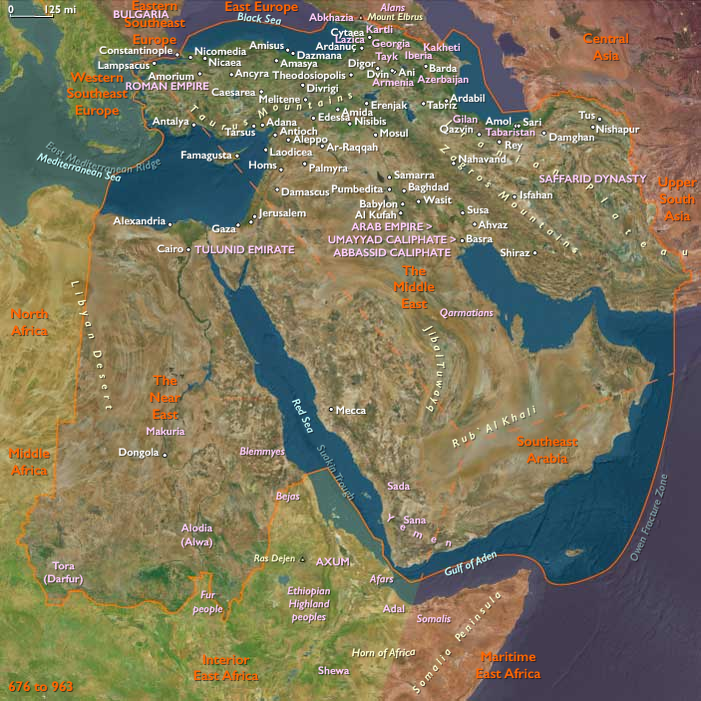
Justinian's second reign is marked by a reconciliation with the papacy, cemented by the visit of Pope Constantine to Constantinople in 710-11.
The emperor is obsessed, however, with a desire for revenge against his opponents, and the resulting mass executions in turn have led to the alienation of many of his former supporters.
Bardanes is the son of the patrician Nicephorus, who was of Armenian extraction from an Armenian colony in Pergamon. (His original name, Vardan, may have been derived from that of his mother).
Relying on the support of the Monothelite party, he had made some pretensions to the throne on the outbreak of the first great rebellion against Emperor Justinian II; these had led to his relegation to Cephalonia by Tiberios Apsimarus, and subsequently to his banishment to Cherson by order of Justinian.
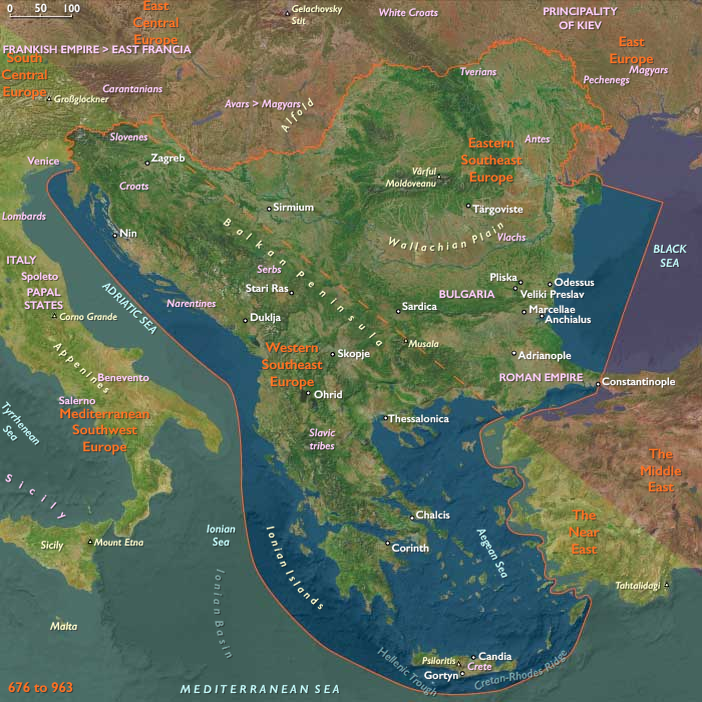
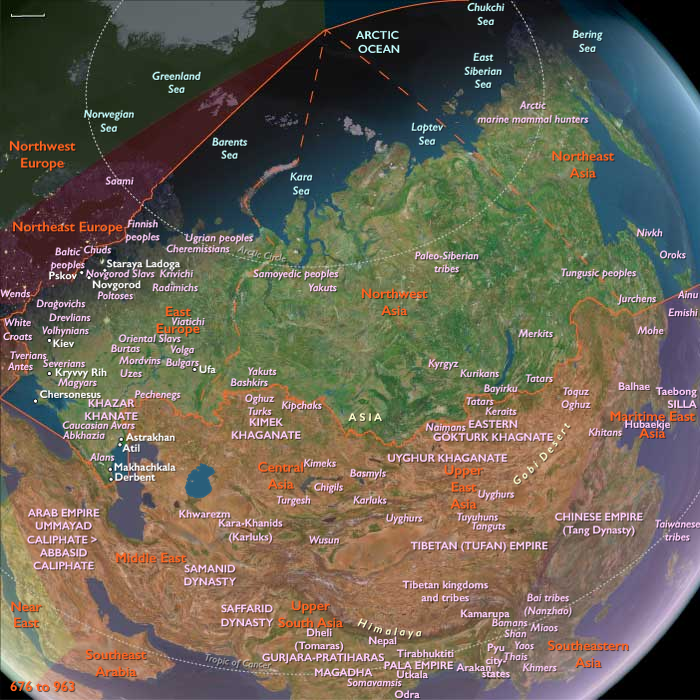
Here Bardanes, taking the name of Philippikos, has successfully incited the inhabitants to revolt with the help of the Khazars.
The successful rebels seize Constantinople, and Justinian flees.
Tervel gives the deposed emperor only three thousand soldiers who, after several skirmishes, are given safe conduct to Bulgaria by the new emperor and Justinian II, unable to rally substantial support in the provinces, is executed, together with his family, in December 711.
After resuming rule, Justininian had wreaked a vengeance so terrible that the fact of his second deposition and death is surprising only in it having been delayed for six years.
Philippikos takes the throne.