Pope Urban V
head of the Catholic Church
Years: 1310 - 1370
Pope Urban V (Latin: Urbanus V; 1310 – December 19, 1370), born William de Grimoard, is Pope from September 28, 1362, to his death in 1370 and is also a member of the Order of Saint Benedict.
He is the sixth Avignon Pope.
Even after his election as pontiff, he continues to follow the Benedictine Rule, and he lives simply and modestly which does not always gain him allies who are used to lives of luxury.
Pope Pius IX will beatify him in 1870 on account of his holiness, and he is the only pontiff of the Avignon Papacy to be beatified.
Urban V presses for reform throughout his pontificate and also oversees the restoration and construction of churches and monasteries.
He comes close to reuniting the Eastern and Western churches, but is not able to achieve this.
This goal is one of he had made upon his ascension to the pontificate.
Related Events
Filter results
Showing 10 events out of 35 total
Louis has made attempts to convert his pagan or "schismatic" subjects to Catholicism even by force.
The conversion of the pagan Cumans who had settled in Hungary a century before is completed during his reign, according to John of Küküllő.
After the conquest of Vidin, he had sent Franciscan friars to the new banate to convert the local Orthodox population, which has caused widespread discontent among the Bulgarians.
In 1366, he had ordered that all Serbian priests be converted and rebaptized.
He has also decreed that only Roman Catholic noblemen and knezes sre allowed to hold landed property in the district of Sebes in Temes County.
Louis supports the religious orders, especially the Franciscans and the Paulines, for whom he and his mother have set up dozens of new monasteries.
Upon Louis's request, Pope Urban V sanctions the establishment of a university in Pécs in 1367, with the exception of a faculty of theology.
However, Louis does not arrange for sufficient revenues and the university will be closed by 1390.
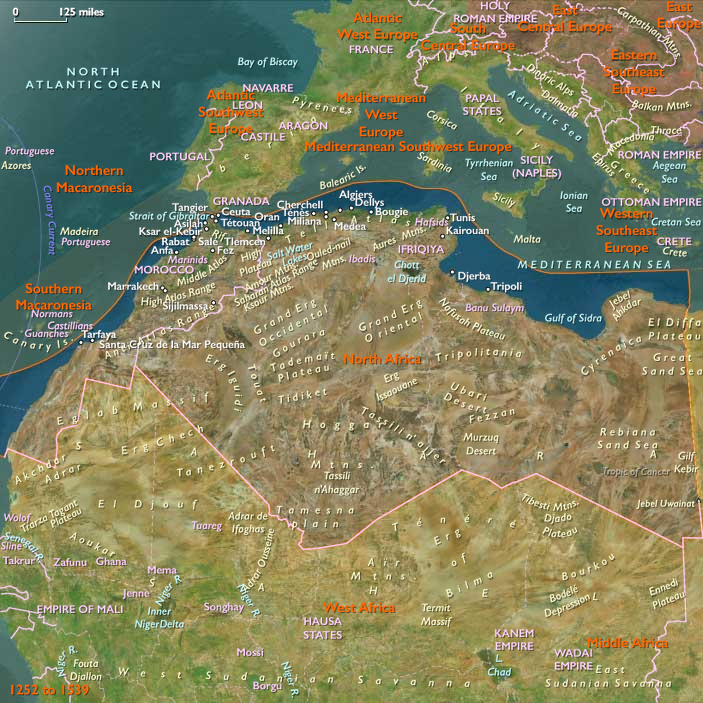
Eastern Southeast Europe (1360–1371 CE): Ottoman Expansion, Balkan Fragmentation, and Emerging Powers
Settlement and Migration Patterns
Ottoman Settlement and Administration
Between 1360 and 1371, the Ottoman Turks firmly established their dominance in the Balkans. Lands conquered by the Ottomans were systematically reorganized into feudal fiefs governed by cavalry officers. Local notables who converted to Islam participated actively in this new administration, facilitating Ottoman integration and consolidation throughout Thrace and southern Bulgaria.
Moldavian Expansion under Bogdan
In Moldavia, Bogdan of Cuhea, a Vlach voivode from Maramureş, solidified his rule following his successful rebellion against Hungarian authority. Establishing a new political center at Siret, he extended Moldavian territory northward to the Cheremosh River, reinforcing Moldavia’s independence from Hungarian suzerainty. Nonetheless, the southern Moldavian territories remained under the influence of the Tatar Mongols.
Political Dynamics and Regional Rivalries
Byzantine Vulnerability and Crusader Intervention
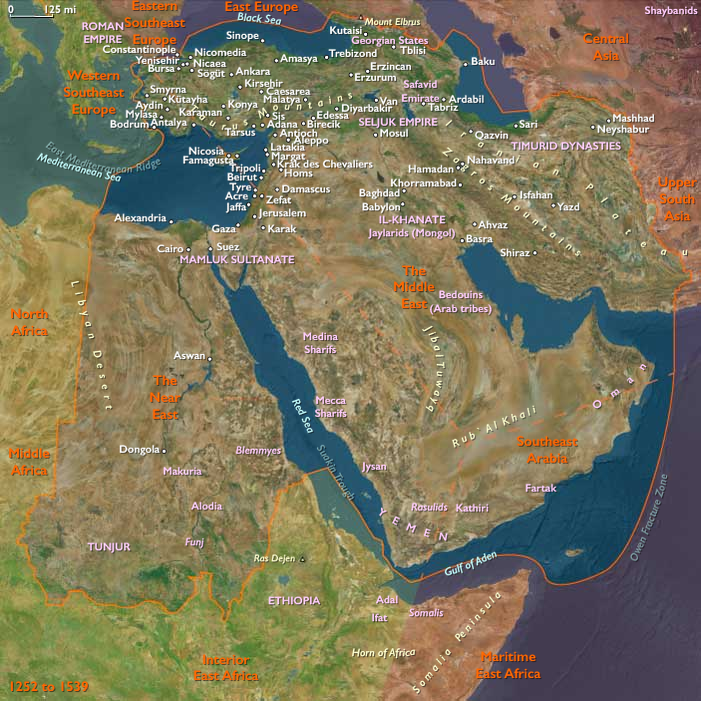
The Byzantine Empire remained vulnerable, exemplified by Emperor John V Palaiologos’ captivity by the Bulgarians. In 1366, responding to Pope Urban V's call, Amadeus VI, Count of Savoy, led a crusading force to aid Byzantium. Initially successful, Amadeus recaptured Gallipoli from the Turks and seized Black Sea ports including Mesembria and Sozopolis, later laying siege to Varna. Under pressure, Bulgarian Tsar Ivan Alexander released Emperor John V. However, atrocities committed by Catholic crusaders against local Orthodox populations significantly soured relationships, causing many Bulgarians to prefer Ottoman rule over alliances with the Latin West.
Fall of the Serbian Empire
Serbia experienced critical fragmentation following the death of childless Emperor Uroš the Weak in 1371. The absence of a legitimate heir led to the decentralization of power among regional magnates (velikaši), who assumed independent control over various provinces, adopting titles such as gospodin and despot. This fragmentation marked the definitive end of Serbia’s imperial unity, leaving the region vulnerable to Ottoman advances.
Economic and Technological Developments
Ottoman Administrative and Military Innovations
The Ottomans under Murad I (r. 1362–1389) institutionalized key imperial administrative structures. Positions such as the kaziasker (military judge), beylerbeyi (regional governor), and grand vizier (chief minister) were formalized, granted to non-dynastic officials to ensure efficient governance. Military innovations included the creation of the elite Janissary corps (Yeniçeri, "New Force"), recruited through the devshirme (child levy) system, and the establishment of the Kapikulu Corps ("Palace Guards"), modeled after earlier Seljuk and Abbasid traditions.
Cultural and Artistic Developments
Ottoman Urban and Religious Patronage
Ottoman ruler Orhan significantly contributed to cultural integration and Islamization in newly conquered areas. His construction of mosques, medreses (Islamic theological schools), and caravanserais across Anatolia and the Balkans facilitated the spread of Islamic culture and Ottoman urban life, marking the beginning of lasting architectural and cultural legacies in the region.
Serbian Cultural Fragmentation
As the Serbian Empire fragmented politically, its previously centralized cultural patronage dispersed among regional courts. Local Serbian rulers continued patronage of monasteries and religious art, albeit on a smaller and more localized scale, reflecting a broader cultural fragmentation accompanying political decentralization.
Social and Religious Developments
Religious and Ethnic Integration under Ottoman Rule
The Ottoman administrative system fostered religious and ethnic integration, encouraging conversion among local Balkan elites to Islam. This policy contributed to the development of a diverse yet structured Ottoman society, blending Islamic, Turkish, and Balkan Christian traditions.
Religious Tensions from Crusader Activity
The aggressive behavior of the Catholic crusaders, exemplified by the crusade of Amadeus VI, exacerbated existing religious tensions between Latin Christianity and Orthodox communities. The resulting animosity facilitated Ottoman expansion, as Orthodox populations increasingly viewed Ottoman rule as comparatively tolerable.
Long-Term Consequences and Historical Significance
The period from 1360 to 1371 CE marked a critical phase of Ottoman consolidation in Eastern Southeast Europe, the definitive fragmentation of the Serbian Empire, and the rise of independent Moldavia. These developments profoundly reshaped Balkan geopolitics, laying crucial foundations for long-term Ottoman dominance and significantly impacting regional cultural and religious identities.

The pope does not give up on his hope of converting the natives.
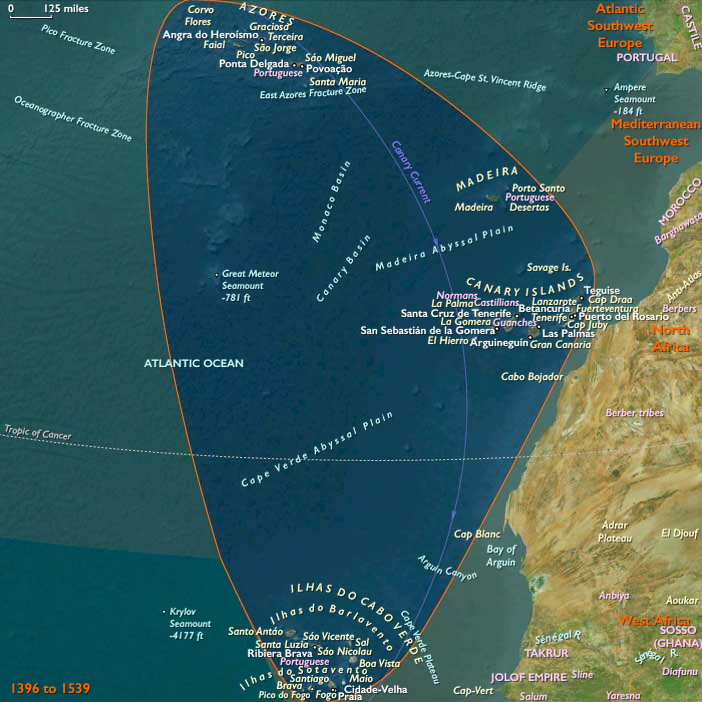
In 1351, Pope Clement VI had endorsed an expedition by Majorcan captains Joan Doria and Jaume Segarra, with the object of bringing Franciscan missionaries, including twelve converted Canarian natives (apparently seized by previous Majorcan expeditions), to the islands.
Whether this expedition ever set out is uncertain.
Apocryphal legend relates the missionaries succeeded established an evangelizing center at Telde (on Gran Canaria), which the pope elevated to the 'Diocese of Fortuna' (although no bull to that effect has been found), until they were expelled in a native uprising in 1354.
More confident is the bull issued in July 1369 by the Avignon Pope Urban V erecting the diocese of Fortuna and appointing Fr. Bonnant Tari as bishop, and a follow-up bull of September 1369 instructing the bishops of Barcelona and Tortosa to dispatch ten secular and twenty regular clergy to preach to the Canarians in their native languages, but whether this actually set out or just remained a paper project is also uncertain.
As Luis de La Cerda's influence waned, other parties eagerly resumed their adventures in the Canary Islands.
Majorcan expeditions, now under the rule of Aragon, continued to explore the region.
In 1346, Jaume Ferrer set sail, aiming for Senegal but possibly making contact with the Canaries along the way.
Arnau Roger followed suit in 1352, and in 1366, Joan Mora led a royal-sponsored expedition, instructed to patrol for interlopers as well.
These expeditions, along with many unrecorded ones by Majorcans, merchants from Seville, and Lisbon, were primarily driven by commercial interests.
The main objective was capturing native islanders to be sold as slaves in European markets.
However, peaceful trade with the locals also took place, particularly for orchil and dragon's blood, valuable dyes for the European cloth industry, which grew abundantly on the islands.
With these expeditions, geographic knowledge of the Canary Islands began to solidify.
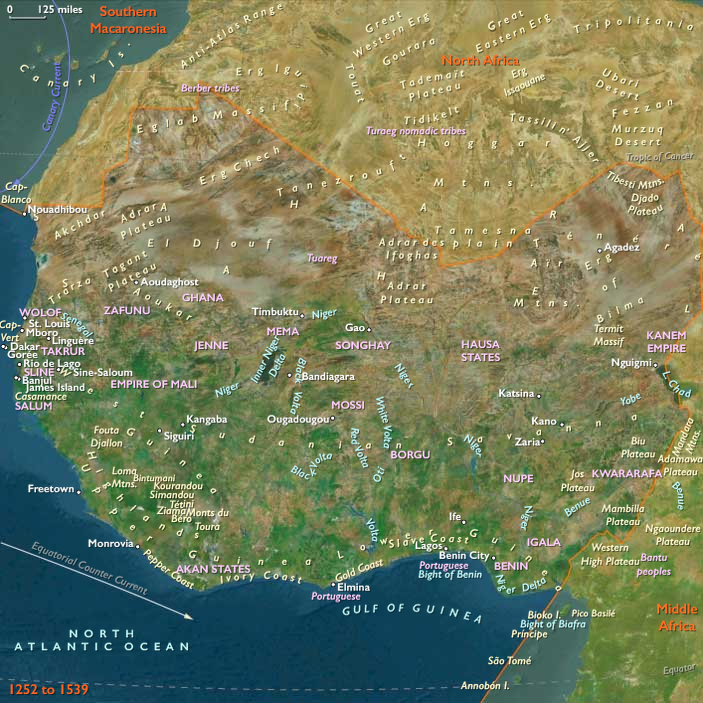
In the 1367 portolan chart created by Domenico and Francesco Pizzigano, La Gomera and El Hierro were depicted.
The Catalan Atlas of 1375 provided an almost complete and accurate map of the Canaries, with only La Palma missing.
The Catalan Atlas listed the eleven islands in order from east to west: Graciosa (La Graciosa), Laregranza (Alegranza), Rocho (Roque), Insula de Lanzaroto Maloxelo (Lanzarote), Insula de li Vegi Marin (Lobos), Forteventura (Fuerteventura), Insula de Canaria (Gran Canaria), Insula del infernio (Tenerife), Insula de Gomera (La Gomera), and Insula de lo Fero (El Hierro).
During the dynastic wars between Portugal and Castile in the 1370s, Portuguese and Castilian privateers, engaged in conflict with each other, sought shelter or conducted slave-raiding expeditions in the Canary Islands.
Ferdinand I of Portugal, disregarding the 1344 bull, granted the islands of Lanzarote and La Gomera to the adventurer known as 'Lançarote da Franquia,' who some believe to be the seemingly ageless Lanceloto Malocello.
This Lanzarote attempted to seize control of the islands, leading to reported fights with "Guanches and Castilians."
King Casimir III of Poland realizes that the nation needs a class of educated people, especially lawyers, who can codify the country's laws and administer the courts and offices.
His efforts to found an institution of higher learning in Poland are rewarded when Pope Urban V grants him permission to set up a university in Kraków.
A royal charter of foundation is issued on May 12, 1364, and a simultaneous document is issued by the City Council granting privileges to the Studium Generale.
The King provided funding for one chair in liberal arts, two in Medicine, three in Canon Law and five in Roman Law, funded by a quarterly payment taken from the proceeds of the royal monopoly on the salt mines at Wieliczka.
Development of the University of Kraków stalls upon the death of King Casimir, and lectures are held in various places across the city, including, among others, in professors' houses, churches and in the cathedral school on the Wawel Hill.
It is believed that, in all likelihood, the construction of a building to house the Studium Generale began on Plac Wolnica in what is today the district of Kazimierz.
The kings of France and Cyprus, John II and Peter I, had taken crusading vows to go to the Holy Land on March 31, 1363, Good Friday, at Papal Avignon, and had received from Pope Urban V the sign of the cross (signum crucis) to sew on their garments as a sign of their vow.
This was the beginning of the Savoyard crusade, although John II will never fulfill his vow personally and Peter I will not ultimately cooperate with the count of Savoy in the venture.
The latter does not make his crusading vow, also before Urban V, until probably January 19, 1364, when a council of regional magnates is held at Avignon to form a league (colligatio) against the marauding free companies.
This is certainly the occasion when the pope bestows on Amadeus the Golden Rose, and the count founds the chivalric Order of the Collar to replace his earlier, and probably defunct, Order of the Black Swan.
The original members of the Order of the Collar are devoted followers, and often relatives, of Amadeus and all ware probably pledged to accompany him on crusade.
In the event, all but two who could not go for reasons of health, will travel east.
The Order, like the crusade, is dedicated to the Virgin Mary.
The deadline established for the departure of the crusade is March 1, 1365, although the pope expects both Peter of Cyprus and Amadeus of Savoy to depart earlier.
The deadline will be met by nobody, although the king of Cyprus will leave Venice on June 27 on the Alexandrian Crusade.
Urban V makes a serious effort to fund Amadeus's expedition with a series of seven bulls issued on April 1, 1364, granting him various new sources of income.
All confiscated "ill-gotten gains" (male acquisita) from theft, rapine or usury which cannot be restituted (to the victims) are to be used for the next six years for the crusade.
Further, "all the hitherto unspent legacies, gifts, confiscations, fines, and penances which had been bequeathed, given, assigned, or levied pro dicto passagio et Terre Sancte subsidio [for the passage to the Holy Land and its welfare] in the county of Savoy and its dependencies for the preceding twelve years and for the next six" are assigned to the count for his expedition.
Finally, the church is to pay a tithe (tenth) of its tithes to the count for the crusade, excepting those priests who receive permission to go on the journey themselves.
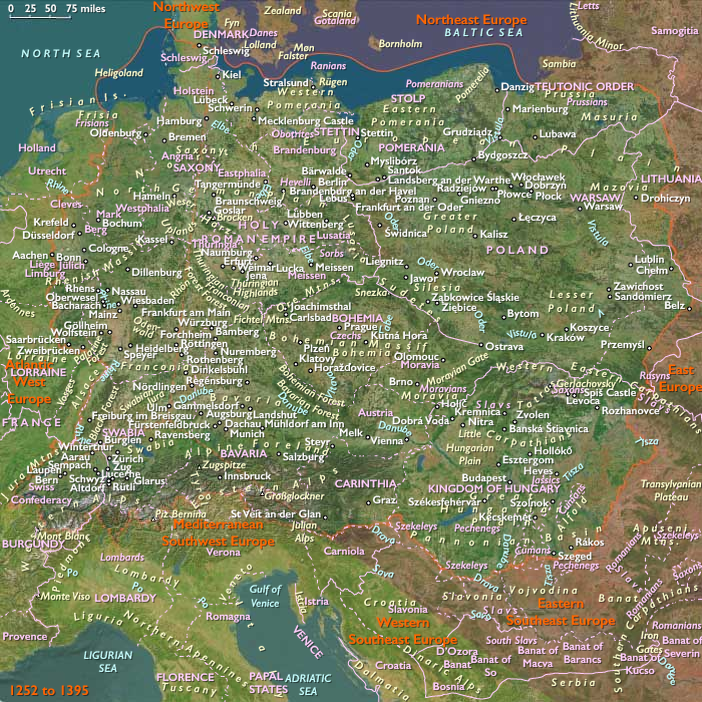
Urban had in May 1363 made an appeal to Louis I of Hungary for a crusade against the Turks, and the king has spent the winter of 1364–65 preparing an army for a major offensive designed to push the Turks out of Europe.
In January 1365, as reported at Venice, ten galleys were being gathered in Provence for Louis's use, and Louis had issued a call for support in Zadar (Zara) and Dalmatia.
In the spring he invades, not Turkish Europe (Rumelia), but rather the north of Bulgaria, at this time ruled by the tsar's second son, Sratsimir.
He conquers and occupies Vidin, and takes Sratsimir captive back to Hungary.
His expedition is thus completed in time for him to cooperate with Amadeus of Savoy in a joint attack on the Turks in the spring of 1366.
Peter continues his crusade, this time aiming to attack Beirut.
However his military operations end after intervention of the Venetians willing to offer Peter high compensations for his military preparations, in order to not attack against Damascus.
Peter raids Tripoli in 1366, before the terms of service of his European reinforcements can expire.
Pierre's unruly crusaders return to Cyprus with immense booty as reprisals follow against Christian merchants in Syria and Egypt.
Pierre has sent Mézières to Venice, the princes of western Europe, and to Avignon to obtain help against the Saracens, who now threaten the kingdom of Cyprus.
His efforts are in vain; even Pope Urban V advises peace with the sultan.
Mézières remains for some time at Avignon, seeking recruits for his order, and writing his Vita S. Petri Thomasii (Antwerp, 1659), which is invaluable for the history of the Alexandrian expedition.
The Prefacio and Epistola, which form the first draft of his work on the projected order of the Passion, are written at this time.