
Thomas Newcomen
English ironmonger, Baptist lay preacher, and inventor
1664 CE to 1735 CE
Thomas Newcomen (shortly before February 24, 1664 – August 5, 1729) creates the first practical steam engine for pumping water, the Newcomen steam engine.
He is an ironmonger by trade and a Baptist lay preacher by calling.
He was born in Dartmouth, Devon, England, near a part of the country noted for its tin mines.
Flooding is a major problem, limiting the depth at which the mineral can be mined.
World
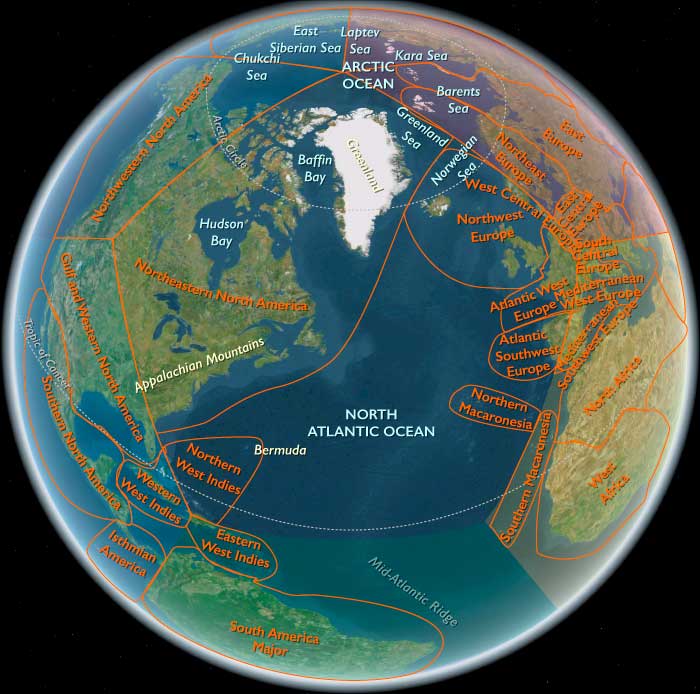
The Atlantic Lands
View →Related Events
Showing 1 events out of 1 total
The atmospheric engine invented by Thomas Newcomen in 1712, today referred to as a Newcomen steam engine (or simply Newcomen engine), is the first practical device to harness the power of steam to produce mechanical work.
It is possible that the first Newcomen engine was in Cornwall.
Its location is uncertain, but it is known that one was in operation in 1715 at Wheal Vor mine.
The earliest examples for which reliable records exist are two engines in the Black Country, of which the more famous is that erected in 1712 at the Conygree Coalworks near Dudley in Worcestershire.
This is generally accepted as the first successful Newcomen engine, but it may have been preceded by one built a mile and a half east of Wolverhampton.
Both of these are used by Newcomen and his partner John Calley to pump out water-filled coal mines. (A working replica can today be seen at the nearby Black Country Living Museum, which stands on another part of what was Lord Dudley's Conygree Park.)
Soon orders from wet mines all over England are coming in, and some have suggested that word of Newcomen’s achievement had been spread through his Baptist connections.
Since Savery's patent had not yet run out, Newcomen is forced to come to an arrangement with Savery and operate under the latter's patent, as its term is much longer than any Newcomen could have easily obtained.
The patent belongs during the latter years of its currency to an unincorporated company, The Proprietors of the Invention for raising water by fire.