
Wei Zheng
chancellor during the reign of Emperor Taizong of Tang
580 CE to 643 CE
Wei Zheng (580–643), courtesy name Xuancheng, formally Duke Wenzhen of Zheng, is a Chinese politician and the lead editor of the Book of Sui, composed in 636.
He serves as a chancellor of Tang Dynasty for about 13 years, during the reign of Emperor Taizong.
Wei was born to a poor family in modern Hebei, and joins Li Mi's rebellion against the Sui Dynasty during his youth.
After Li Mi's submission to Tang Dynasty, Wei becomes a Tang official and eventually serves on the staff of Li Jiancheng the Crown Prince, the oldest son of Tang's founding emperor Emperor Gaozu.
As such, he serves against the interests of Li Jiancheng's younger brother Li Shimin the Prince of Qin, with whom Li Jiancheng is locked in an intense rivalry.
In 626, Li Shimin ambushes and killed Li Jiancheng, and then effectively forces Emperor Gaozu to yield the throne to him.
Rather than punishing Wei, however, he is impressed with Wei's faithfulness to Li Jiancheng, and he makes Wei an important official, eventually a chancellor.
Wei's promotion to this position gives him far broader freedom to criticize others, particularly the emperor, than other officers of the court.
He emphasizes propriety and opposes overextending the state.
His advice and criticism are not always accepted, but in accordance with Confucian etiquette, the emperor concedes to his suggestions with some regularity.
After Wei's death in 643, the emperor comments that he had been a mirror to show the mistakes of the court, and built an elaborate tomb for him near his own imperial tomb and betrothes one of his daughters, Princess Hengshan, to Wei Shuyu, son of Wei Zheng.
Subsequently, as a result of false accusations made by others in the court, the stone monument that Emperor Taizong had built for Wei is destroyed, and Emperor Taizong cances the planned marriage between Princess Hengshan and Wei Shuyu.
However, after the failure of the campaign against Goguryeo in 646, Emperor Taizong, believing that Wei would have stopped him from going on the campaign had he lived longer, restores the stone monument.
Wei's effect and influence has been examined by many historians long after his death.
Wei Zheng is also revered as a minor god of doorways in parts of Taiwan.
World
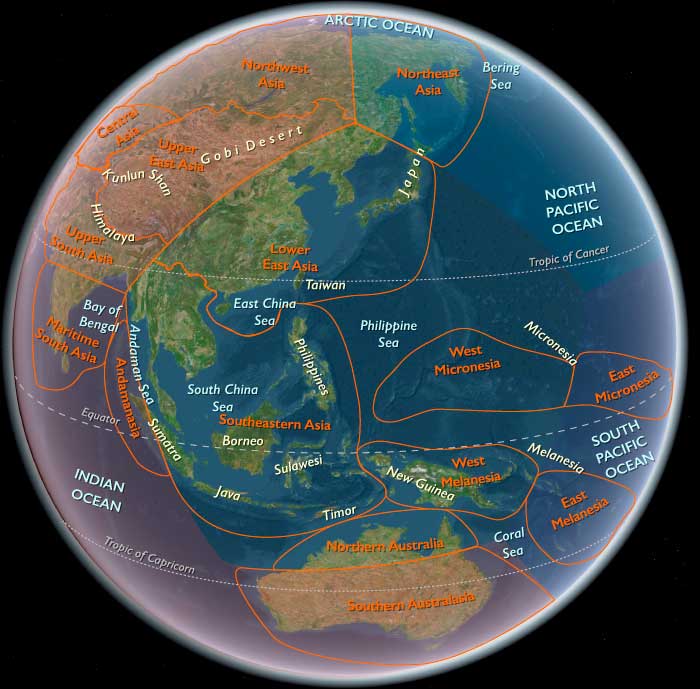
The Far East
View →Related Events
No related events match the current filters.