
William Davison
Secretary to Queen Elizabeth I
1541 CE to 1608 CE
William Davison (c. 1541 – December 21, 1608) is secretary to Queen Elizabeth I.
He plays a key functional and diplomatic role in the 1587 execution of Mary, Queen of Scots, and was made the scapegoat for this event in British history.
A Secretary of some influence, he is active in forging alliances with England's protestant friends in Holland and Scotland to prevent war with France.
World
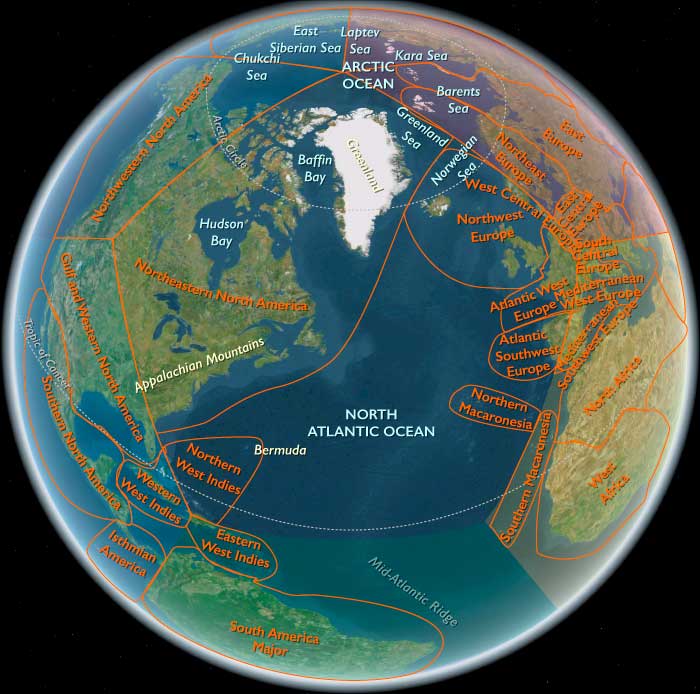
The Atlantic Lands
View →Related Events
Showing 4 events out of 4 total
William Davison, of Scottish descent (by his own account), had in 1566 gone to Scotland as secretary to the English ambassador, Henry Killigrew.
Remaining there for about ten years, he was next employed as agent in the Netherlands (1576–79), on missions to Scotland (1583, 1584), and again to the Netherlands in 1585, returning to England in 1586.
This year he had become member of Parliament for Knaresborough, a privy councilor, and on September 30, Walsingham's colleague as principal secretary.
As a privy councilor, he had been a member of the commission appointed to try Mary Queen of Scots, but he had taken no part in its proceedings.
It is Davison who had obtained Elizabeth's signature to the warrant for Mary's execution.
On this occasion and also in subsequent interviews with her secretary, Elizabeth had suggested that she would be glad to avoid the responsibility of the execution, but Mary's jailers, Sir Amias Paulet and Sir Drue Drury, have refused to take the hints thrown out to them.
The privy council, summoned by Lord Burghley, meanwhile decides to carry out the sentence at once.
The numerous Catholic and Scottish plots end in Elizabeth’s execution of Mary, convicted for treason on the basis of information gathered by Walsingham, on February 8, 1587, at Fotheringhay Castle in Northamptonshire.
Her son James VI of Scotland, eager to inherit the childless Elizabeth’s throne, merely protests when his mother is beheaded for treason.
Mary’s body is to lie here for some months before its burial at Peterborough Cathedral and then its final burial in Westminster Abbey.
Elizabeth reacts with extremely indignation when the news of Mary’s execution reaches her; the chief target of her wrath is Davison, who, she asserts, has disobeyed her instructions not to part with the warrant.
The secretary is arrested and sent to the Tower of London.
Davison, appearing before the Star Chamber on charges of misprision and contempt on March 28, 1587, is acquitted by many of the commissioners of evil intention but is sentenced to pay a fine of ten thousand marks and to be imprisoned during the queen's pleasure.