
William I, Count of Burgundy
Count of Burgundy
1020 CE to 1087 CE
William I (1020 – 12 November 1087), called the Great (le Grand or Tête Hardie, "the Stubborn"), is Count of Burgundy from 1057 to 1087 and Mâcon from 1078 to 1087. He is a son of Reginald I, Count of Burgundy and Alice of Normandy, daughter of Richard II, Duke of Normandy. William is the father of several notable children, including Pope Callixtus II.
World
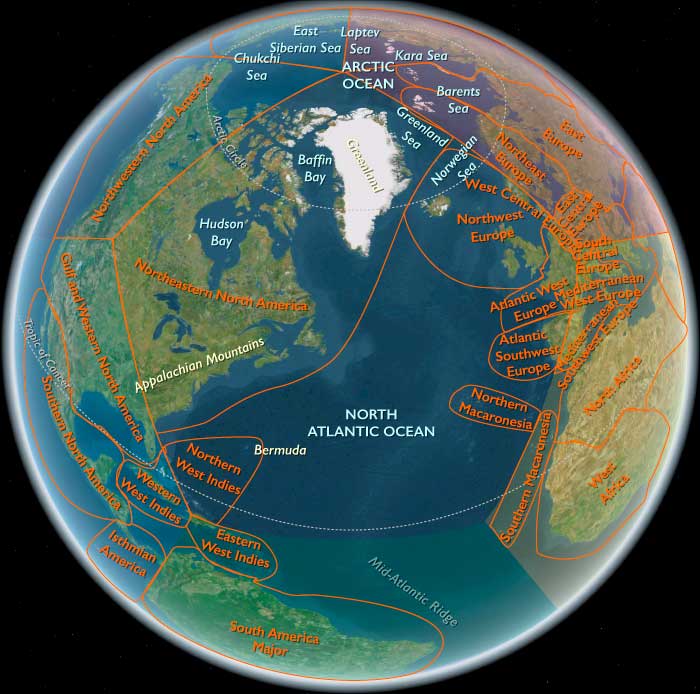
The Atlantic Lands
View →Related Events
Showing 5 events out of 5 total
Atlantic West Europe (1048–1059): Ducal Dominance, Royal Challenges, and Ecclesiastical Reforms
The era 1048–1059 in Atlantic West Europe—including the Low Countries, Normandy, Brittany, Aquitaine, the Duchy of Burgundy, the Franche-Comté (County of Burgundy), Alsace, and central France—was marked by ducal consolidation, royal efforts to reassert authority, continued ecclesiastical reform, and intensified regional rivalries.
Political and Military Developments
-
France: Henry I’s Struggle for Centralization
- King Henry I (r. 1031–1060) faced ongoing resistance from powerful regional nobles, notably William of Normandy and Geoffrey Martel of Anjou. The king sought alliances and employed diplomacy to maintain Capetian authority, though direct royal control remained limited outside the royal demesne around Paris.
-
Normandy: Strengthening Ducal Power under William
- Duke William II of Normandy (r. 1035–1087) firmly consolidated his authority following the decisive victory at the Battle of Val-ès-Dunes (1047), stabilizing Normandy through strategic castle-building and securing noble loyalty. His authority grew increasingly independent from royal oversight.
-
Aquitaine: Expansion under William VII and Guy-Geoffrey
- Duke William VII (r. 1039–1058) expanded control over Aquitaine and Poitou, notably clashing with rebellious vassals. Upon his death, Guy-Geoffrey (William VIII, r. 1058–1086) succeeded, pursuing aggressive territorial expansion and maintaining relative regional independence.
-
Brittany: Ducal Consolidation
- Conan II (r. 1040–1066) navigated diplomatic tensions between Normandy and Anjou, preserving Breton independence through careful political maneuvering, though pressures from neighboring principalities intensified.
-
Burgundy: Stability and Regional Independence
- Duke Robert I of Burgundy (r. 1032–1076) enjoyed relative autonomy, reinforcing ducal authority and carefully balancing ties with the French crown.
- The County of Burgundy (Franche-Comté) under Count Renaud I (r. 1026–1057), followed by William I the Great (r. 1057–1087), increasingly gravitated toward imperial influence, deepening the distinction from its French counterpart.
-
Alsace and the Low Countries
- Alsace maintained economic and political stability as a crucial conduit between France and the Holy Roman Empire.
- The Low Countries—especially Flanders—continued flourishing under Count Baldwin V (r. 1035–1067), whose astute governance enhanced trade, urban growth, and regional influence.
Economic and Social Developments
-
Urban Growth and Trade Networks
- The Flemish cities of Bruges, Ghent, and Ypres grew as vital textile-producing and trade hubs, connecting Atlantic West Europe with broader European markets.
- Increasing trade along the Rhine and Saône rivers boosted economic prosperity in Alsace and Burgundy.
-
Feudal Dynamics and Social Structures
- Noble power remained considerable, limiting direct royal control, with regional lords securing extensive autonomy in return for nominal allegiance to the crown.
Religious and Cultural Developments
-
Cluniac Reform and Monastic Expansion
- The powerful monastic network centered on Cluny continued to expand rapidly, promoting ecclesiastical reform and independence from secular influence, significantly shaping regional religious life.
- Reform-minded bishops and abbots gained prominence, influencing local and regional politics.
-
Architectural and Cultural Advancements
- Construction of Romanesque churches and monasteries proliferated, especially in Burgundy, Alsace, and Aquitaine, reflecting increased wealth and religious devotion.
Legacy and Long-term Significance
Between 1048 and 1059, key developments included:
- The consolidation of ducal power in Normandy under William II, establishing conditions that would later enable the Norman conquest of England (1066).
- Continued challenges to Capetian royal authority, exemplifying the decentralized feudal nature of French political life.
- Strengthening of regional identities, particularly in Burgundy, Brittany, and Aquitaine.
- Ongoing ecclesiastical reform that influenced future religious and political landscapes.
This era deepened regional autonomy, solidified powerful ducal states, and underscored the complex relationship between secular authority and ecclesiastical influence, setting important precedents for subsequent decades.
Atlantic West Europe (1060–1071): Norman Conquest, Capetian Consolidation, and Ecclesiastical Influence
The era 1060–1071 in Atlantic West Europe—including the Low Countries, Normandy, Brittany, Aquitaine, the Duchy of Burgundy, the Franche-Comté (County of Burgundy), Alsace, and central France—was marked by significant territorial conquests, especially the Norman conquest of England, the Capetian dynasty’s attempts at internal stabilization, and the continuing influence of ecclesiastical reform movements.
Political and Military Developments
-
Normandy: William’s Conquest of England
- William II of Normandy (William the Conqueror, r. 1035–1087) decisively conquered England at the Battle of Hastings (1066), profoundly reshaping political alliances and dramatically expanding Norman influence beyond continental Europe. Normandy thus became a powerful cross-Channel duchy with vast resources.
-
France: Transition and Stabilization under Philip I
- King Henry I died in 1060, succeeded by his son, Philip I (r. 1060–1108). The young king’s minority initially saw his mother, Anne of Kyiv, and the powerful Count Baldwin V of Flanders acting as regents. Philip’s reign marked cautious royal consolidation, maintaining peace internally while acknowledging regional autonomy.
-
Aquitaine: Strengthening Ducal Authority
- William VIII of Aquitaine (Guy-Geoffrey, r. 1058–1086) actively defended and expanded Aquitanian interests, solidifying control over local nobility and enhancing regional stability.
-
Brittany: Navigating Between Powers
- Conan II (r. 1040–1066) and subsequently Hawise of Brittany and her husband, Hoël II (r. 1066–1084), navigated the delicate political balance between powerful neighbors Normandy and Anjou, preserving Breton autonomy amidst shifting alliances.
-
Burgundy: Stable Ducal Rule
- Robert I of Burgundy (r. 1032–1076) maintained stable governance, enhancing ducal authority, building internal cohesion, and remaining relatively independent from royal intervention.
-
County of Burgundy (Franche-Comté) and Alsace
- William I the Great (r. 1057–1087) in the Franche-Comté deepened ties with the Holy Roman Empire, reinforcing its separate identity from the Duchy of Burgundy.
- Alsace maintained its strategic position as an economic bridge, prospering under imperial protection.
-
Flanders and the Low Countries
- Count Baldwin V (r. 1035–1067) continued to fortify Flanders as a commercial powerhouse. His death in 1067 led to Baldwin VI’s short reign (r. 1067–1070), followed by succession disputes briefly destabilizing the region.
Economic and Social Developments
-
Urban and Commercial Expansion
- Flemish textile cities (Bruges, Ghent, Ypres) thrived as prominent commercial hubs, linking Atlantic trade with the wider European economy.
- Normandy and Aquitaine benefited economically from increased trade with newly conquered English territories.
-
Feudal Consolidation
- Feudal relationships crystallized further, with powerful regional lords consolidating their territories, enhancing local autonomy yet limiting centralized royal authority.
Religious and Cultural Developments
-
Ecclesiastical Reform Movement
- Cluniac monasteries continued expanding their influence, championing ecclesiastical reform and spiritual renewal, reshaping religious life across the region.
- Gregorian Reform ideals, advocating Church independence from secular authority, gained momentum, particularly affecting relationships between secular rulers and religious institutions.
-
Norman Cultural Influence
- Following William’s conquest, cultural and ecclesiastical exchanges intensified between Normandy, England, and continental Europe, significantly influencing architecture, governance, and language.
Legacy and Long-term Significance
The period 1060–1071 was transformative:
- The Norman conquest of England significantly redefined Normandy’s geopolitical influence, positioning it among the most influential powers of Western Europe.
- Philip I’s accession marked a period of cautious royal strengthening, though decentralized governance remained dominant.
- Continued ecclesiastical reform efforts, particularly from Cluny and the Gregorian movement, influenced political dynamics and church-state relationships.
This era laid critical groundwork for future conflicts and alliances, setting the stage for centralization efforts, cross-channel politics, and deepened cultural and economic ties across Atlantic West Europe.
Atlantic West Europe (1072–1083): Consolidating Norman Power, Capetian Stabilization, and Cluniac Influence
The era 1072–1083 in Atlantic West Europe—including the Low Countries, Normandy, Brittany, Aquitaine, the Duchy of Burgundy, the County of Burgundy (Franche-Comté), Alsace, and central France—was marked by further consolidation of Norman power across the English Channel, gradual stabilization under the Capetian monarchy, continued feudal struggles, and sustained ecclesiastical reform centered around Cluniac ideals.
Political and Military Developments
-
Normandy and England: Norman Consolidation
- William the Conqueror (r. 1035–1087) spent much of this era solidifying his rule in England, suppressing revolts (notably the Revolt of the Earls in 1075), building fortifications, and restructuring governance through the imposition of Norman feudalism.
- Normandy benefited from increased resources flowing from England, enhancing its continental power.
-
France: Slow Capetian Consolidation
- King Philip I (r. 1060–1108) continued the cautious strengthening of royal authority, albeit within narrow limits. His reign remained marked by the careful balancing of powerful regional lords such as the Dukes of Normandy, Aquitaine, and Burgundy.
-
Aquitaine: Strong Ducal Rule
- William VIII of Aquitaine (r. 1058–1086) maintained strong rule, keeping local nobility in check and safeguarding Aquitaine’s independence from Capetian encroachment.
-
Brittany: Maintaining Independence
- Hoël II of Brittany (r. 1066–1084), with Duchess Hawise, sought to preserve Breton autonomy amid Norman and Angevin pressure, successfully maintaining internal stability.
-
Duchy of Burgundy: Strength and Autonomy
- Robert I (r. 1032–1076) followed by his grandson Hugh I (r. 1076–1079) and subsequently Eudes I (r. 1079–1103), managed the duchy effectively, ensuring its continued autonomy from Capetian control and maintaining internal cohesion.
-
County of Burgundy (Franche-Comté) and Alsace
- William I the Great (r. 1057–1087) consolidated his hold on Franche-Comté, enhancing its alignment with the Holy Roman Empire, further separating it politically and culturally from the Duchy of Burgundy.
- Alsace continued to prosper economically, positioned between the German Empire and France, fostering significant trade and cultural exchanges.
-
Flanders and the Low Countries
- Robert I the Frisian (r. 1071–1093) emerged victorious from succession struggles, stabilizing the region. Flanders' commercial dominance in textile trade continued to expand, enhancing its regional influence.
Economic and Social Developments
-
Increased Trade and Urbanization
- The textile industry in Flemish cities (Bruges, Ypres, Ghent) grew significantly, fueling urbanization and broader economic integration across northern Europe.
- Norman-controlled England and Normandy saw increasing economic and cultural exchanges, boosting Normandy's prosperity.
-
Feudal Structures and Territorial Control
- Feudal bonds solidified further, especially in England and Normandy, where Norman elites held cross-channel landholdings, reshaping the social and political landscape.
Religious and Cultural Developments
-
Cluniac and Gregorian Reforms
- The Cluniac reform movement, emphasizing monastic purity and church autonomy, expanded throughout France, Burgundy, and Aquitaine, influencing secular governance.
- Gregorian reforms continued to challenge secular intervention in ecclesiastical matters, laying groundwork for future conflicts like the Investiture Controversy.
-
Cultural Transmission
- Norman rule in England fostered cultural exchange, spreading continental architectural styles (Romanesque) and administrative practices.
Legacy and Long-term Significance
The era 1072–1083 solidified transformative processes begun earlier in the century:
- William the Conqueror's stable control of England permanently altered Norman fortunes, creating a powerful cross-channel dominion.
- Capetian royal authority remained cautious yet steady, emphasizing diplomacy over direct confrontation with powerful dukes.
- Cluniac and Gregorian reforms continued to shape religious institutions, influencing church-state relations significantly.
These developments would shape subsequent political alignments, economic growth patterns, and cultural dynamics throughout Atlantic West Europe for decades to come.
Atlantic West Europe (1084–1095): Capetian Challenges, Norman Expansion, and Monastic Renewal
The era 1084–1095 in Atlantic West Europe—including the Low Countries, Normandy, Brittany, Aquitaine, the Duchy of Burgundy, the County of Burgundy (Franche-Comté), Alsace, and central France—was characterized by ongoing Capetian struggles to assert royal authority, the continued strengthening and expansion of Norman power, persistent regional autonomy, economic dynamism, and significant religious developments culminating in the First Crusade.
Political and Military Developments
-
France: Capetian Authority Challenged
- King Philip I (r. 1060–1108) faced continuous difficulty in asserting control over powerful feudal vassals, notably in Normandy, Aquitaine, and Flanders.
- Philip’s controversial marital arrangements (his repudiation of Bertha of Holland in favor of Bertrade de Montfort in 1092) provoked papal censure, complicating royal legitimacy.
-
Normandy and England: Norman Supremacy and William’s Succession
- William the Conqueror died in 1087, dividing his domains between his sons: Robert Curthose inherited Normandy, while William II Rufus received England.
- This division resulted in tension and conflict between the brothers, weakening overall Norman cohesion.
-
Flanders: Continued Stability and Influence
- Robert I the Frisian (r. 1071–1093) maintained a stable rule, successfully managing Flemish commerce and fortifying the region's prominence in European trade networks.
- His successor, Robert II (r. 1093–1111), continued this stability, promoting further economic and cultural growth.
-
Aquitaine: Ducal Stability
- William IX of Aquitaine (r. 1086–1127) maintained Aquitaine’s independence, promoting economic prosperity and cultural patronage, laying foundations for the later flowering of troubadour culture.
-
Brittany: Autonomy Amid External Pressures
- Breton autonomy continued under Alan IV (r. 1084–1112), who skillfully navigated between Norman and Capetian pressures, sustaining internal stability and regional identity.
-
Duchy of Burgundy: Ducal Consolidation
- Eudes I (r. 1079–1103) maintained Burgundian stability, navigating complex feudal relationships while reinforcing autonomy from direct Capetian interference.
-
County of Burgundy (Franche-Comté) and Alsace
- Franche-Comté under William I the Great (r. 1057–1087) and his successor, Reginald II (r. 1087–1097), maintained strong ties with the Holy Roman Empire, diverging politically and culturally from the French duchy.
- Alsace remained economically prosperous, bridging trade and culture between France and the Empire.
Economic and Social Developments
-
Urban Growth and Commercial Prosperity
- Cities in Flanders (Bruges, Ypres, Ghent) flourished as key textile production centers, enriching regional trade networks and urbanization.
- Normandy and Aquitaine benefited from increased stability and trade, contributing to urban and rural economic prosperity.
-
Feudal Consolidation and Territorial Dynamics
- Feudal structures became increasingly entrenched, particularly in Normandy and England, reshaping regional governance and landholding patterns.
Religious and Cultural Developments
-
First Crusade and Ecclesiastical Renewal
- Pope Urban II preached the First Crusade at the Council of Clermont (1095), dramatically impacting Atlantic West Europe by galvanizing widespread noble and popular participation.
- Monastic reforms, particularly through the Cluniac and emerging Cistercian movements, profoundly influenced ecclesiastical organization and spiritual life.
-
Cultural Growth and Patronage
- William IX of Aquitaine emerged as an influential cultural patron, eventually becoming one of the earliest troubadour poets, laying the groundwork for subsequent cultural developments.
Legacy and Long-term Significance
The era 1084–1095 marked critical shifts in Atlantic West Europe:
- The division of William the Conqueror’s empire weakened Norman unity but set the stage for future Anglo-Norman dynamics.
- Capetian royal power faced internal and external pressures, highlighting enduring weaknesses in central authority.
- Economic prosperity and urban growth continued, particularly in the Low Countries, laying critical foundations for later commercial dominance.
- Religious fervor spurred by the First Crusade reshaped regional identities, ecclesiastical structures, and social dynamics.
These developments significantly influenced the political, cultural, and economic trajectories of the region, setting critical foundations for the High Middle Ages.
Atlantic West Europe (1096–1107): Crusading Zeal, Dynastic Struggles, and Economic Transformation
Between 1096 and 1107, Atlantic West Europe—including the Low Countries, Normandy, Brittany, Aquitaine, the Duchy of Burgundy, the County of Burgundy (Franche-Comté), Alsace, and central France—underwent significant transformation characterized by the profound impact of the First Crusade, continuing dynastic and territorial conflicts, urban expansion, and religious revitalization.
Political and Military Developments
-
France: Capetian Challenges and Limited Authority
- Philip I (r. 1060–1108) maintained only limited control over powerful vassals, focusing instead on internal stability and managing regional disputes.
- Philip's ongoing marital controversy continued to strain his relationship with the papacy, undermining royal prestige.
-
Normandy and England: Conflict and Succession Struggles
- Robert Curthose, Duke of Normandy (r. 1087–1106), departed for the First Crusade (1096–1099), temporarily leaving Normandy vulnerable to political instability and rebellion.
- William II Rufus of England died under suspicious circumstances (1100), and his younger brother, Henry I, swiftly seized the English throne, heightening tensions with Robert.
- In 1106, Henry decisively defeated Robert at the Battle of Tinchebray, capturing Normandy and reunifying the Anglo-Norman domains under his rule.
-
Flanders: Stable Leadership and Economic Growth
- Robert II of Flanders (r. 1093–1111) continued stable governance, benefiting from increasing urban prosperity and successful trade networks in northern Europe.
-
Aquitaine: Ducal Prosperity
- William IX (r. 1086–1127), known for his cultural patronage, strengthened Aquitaine's autonomy, focusing on internal economic development and literary patronage.
-
Brittany: Strategic Diplomacy
- Duke Alan IV (r. 1084–1112) sustained Breton independence, carefully balancing relations with Normandy, England, and France to secure regional autonomy.
-
Duchy of Burgundy: Continued Stability
- Eudes I (r. 1079–1103) and his successor Hugh II (r. 1103–1143) consolidated Burgundian territorial authority, managing local feudal relationships while keeping autonomy from direct Capetian control.
-
County of Burgundy (Franche-Comté) and Alsace: Imperial Alignment
- Reginald II (r. 1087–1097) and his successor William II (r. 1097–1125) maintained strong ties to the Holy Roman Empire, diverging politically from the French-controlled Duchy of Burgundy.
- Alsace remained prosperous, leveraging strategic trade positions and cultural exchanges between French and German territories.
Economic and Social Developments
-
Urbanization and Commercial Expansion
- Major cities in the Low Countries (Bruges, Ghent, Ypres) continued thriving as leading textile and trade hubs, reinforcing Atlantic West Europe's economic vitality.
- Champagne fairs gained prominence, integrating trade routes across northern and southern Europe.
-
Feudal Consolidation and Social Structures
- Feudal structures deepened in Normandy and the Duchy of Burgundy, with increasing delineation of aristocratic and knightly responsibilities, especially influenced by the Crusades.
Religious and Cultural Developments
-
Impact of the First Crusade (1096–1099)
- The First Crusade, launched in 1096, profoundly influenced the region, drawing away prominent nobles (like Robert Curthose and Robert II of Flanders) and reshaping the political landscape upon their return.
- The Crusade intensified religious fervor, reshaped ecclesiastical authority, and spurred popular enthusiasm across the region.
-
Monastic Reform and Expansion
- The rapid growth of Cluniac and early Cistercian monasteries continued, driven by widespread religious reform movements and increased lay patronage.
-
Cultural Patronage and Literary Growth
- Duke William IX of Aquitaine, considered the first troubadour poet, stimulated a new cultural renaissance in Aquitaine, promoting vernacular literature, poetry, and courtly culture.
Legacy and Long-term Significance
The era 1096–1107 significantly reshaped Atlantic West Europe:
- The successful conclusion of the First Crusade altered regional politics, redistributed feudal power, and heightened religious sentiment.
- Normandy's reunification under Henry I laid the groundwork for later Anglo-French conflicts, influencing centuries of rivalry.
- Economic growth and urbanization, particularly in the Low Countries, set a precedent for the later medieval economic prosperity of the region.
- William IX’s cultural patronage laid crucial foundations for the flourishing troubadour tradition and courtly literature of the High Middle Ages.
This era concluded the transformative eleventh century, setting Atlantic West Europe firmly onto a path of greater political complexity, economic vitality, and cultural sophistication.