The Middle of The Earth
Related Events
Filter results
Showing 10 events out of 18137 total
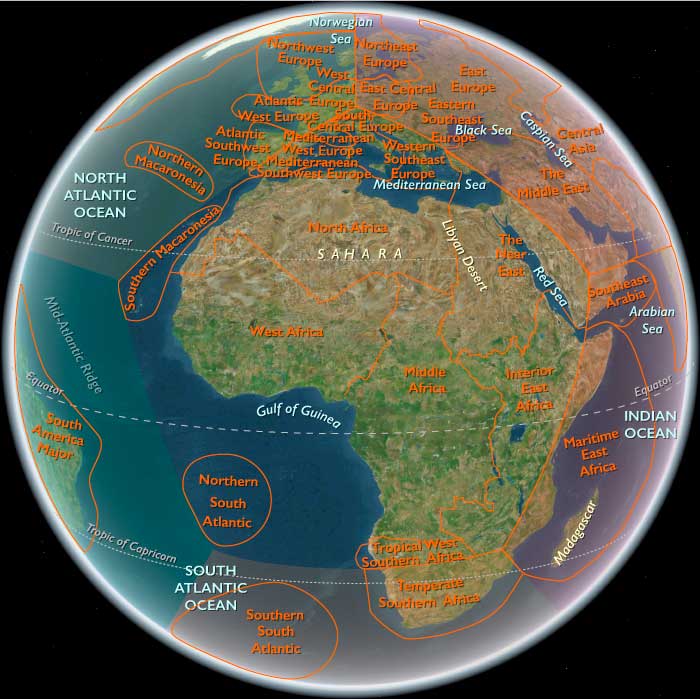
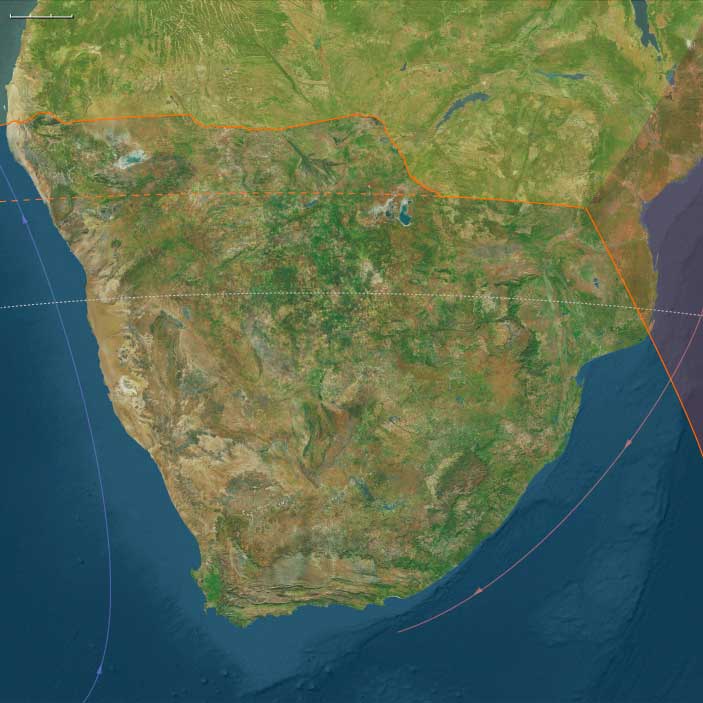
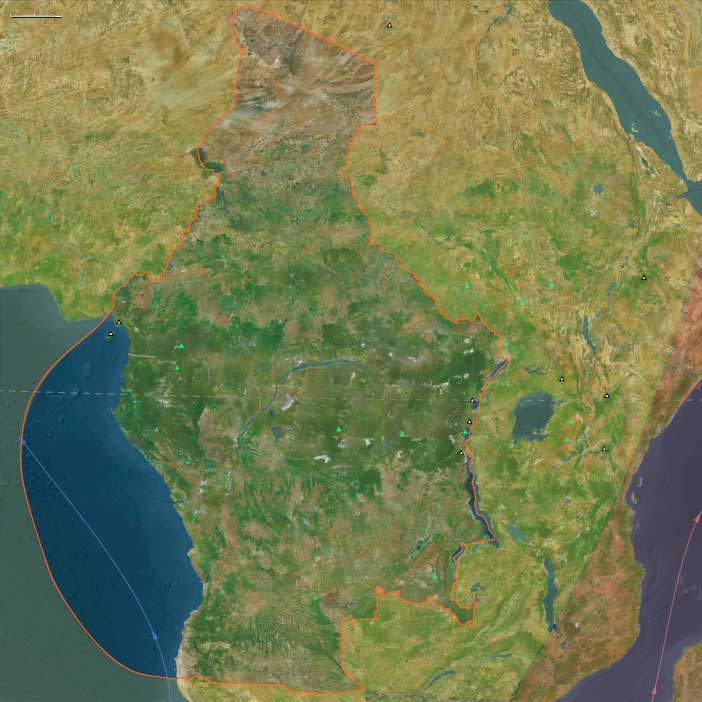
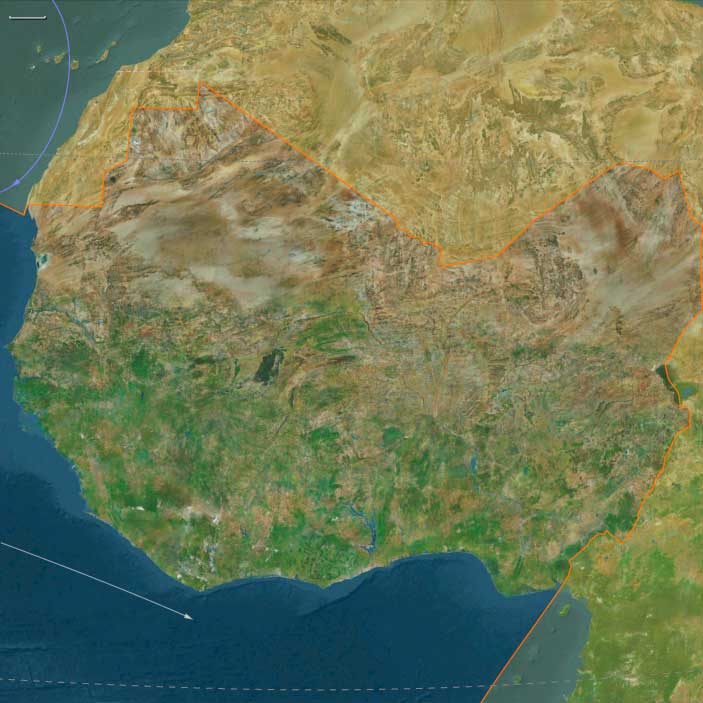
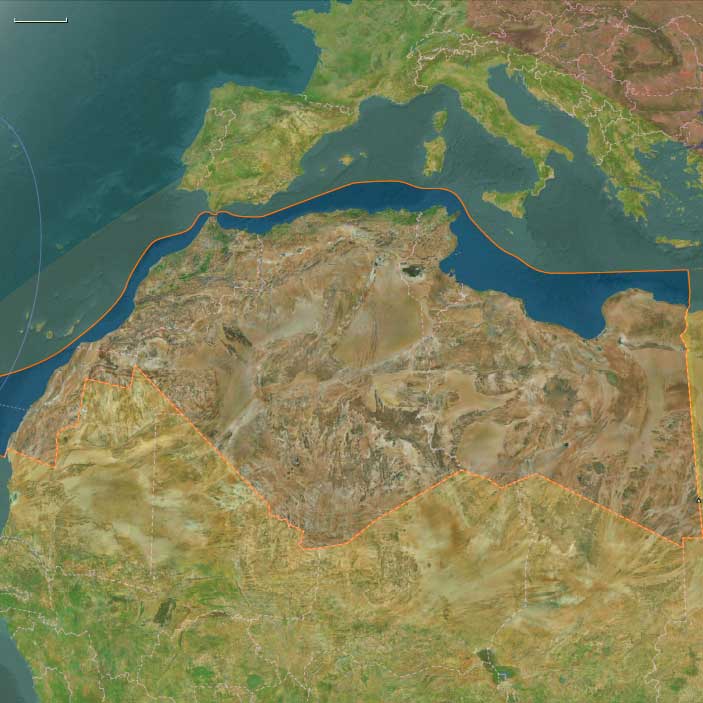
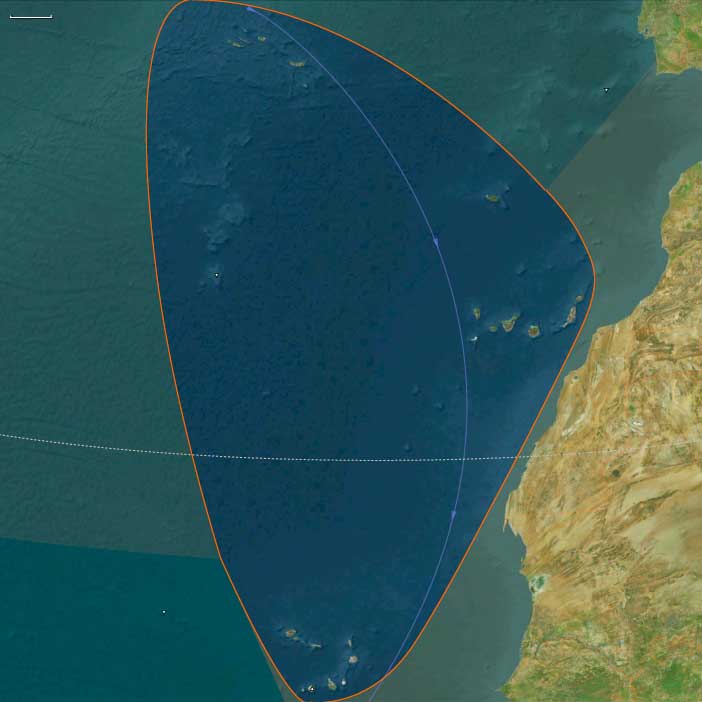
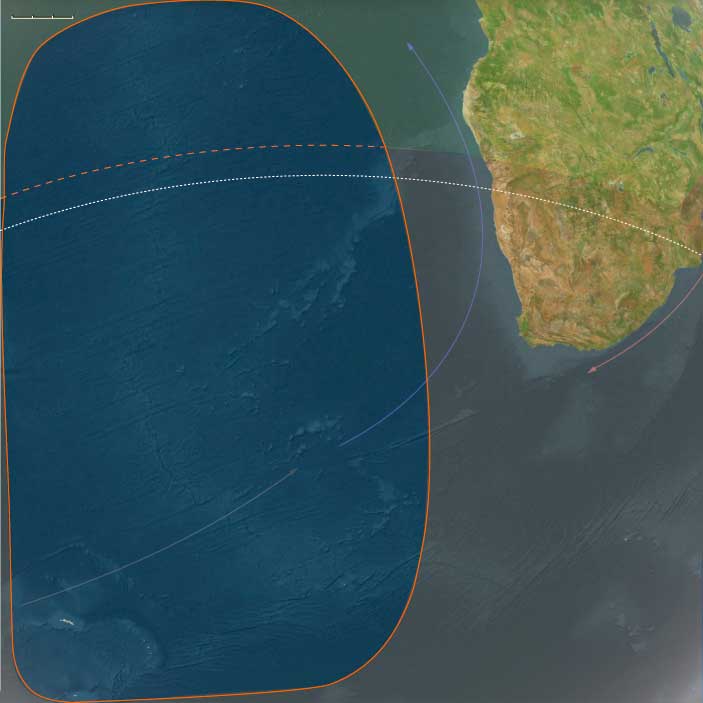
The Middle of the Earth, one of the twelve divisions of the globe, encompasses Africa down to its subcontinent, the lands and seas of the Mediterranean Basin and the Red Sea, the Canary Islands, and the Cape Verde Islands.
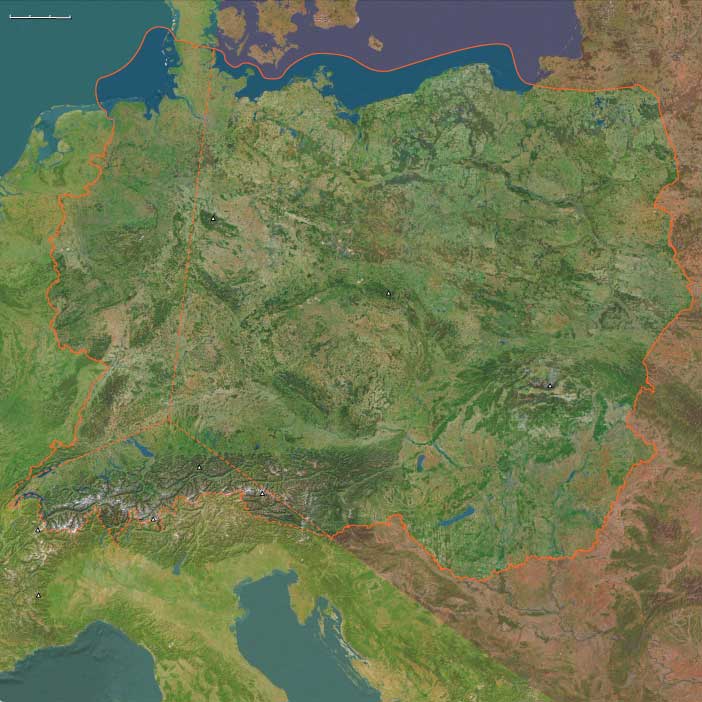
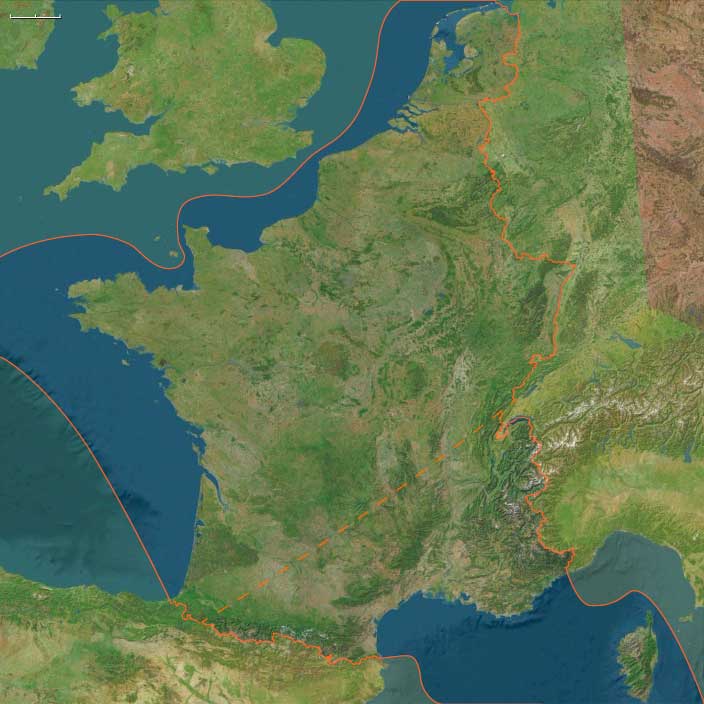
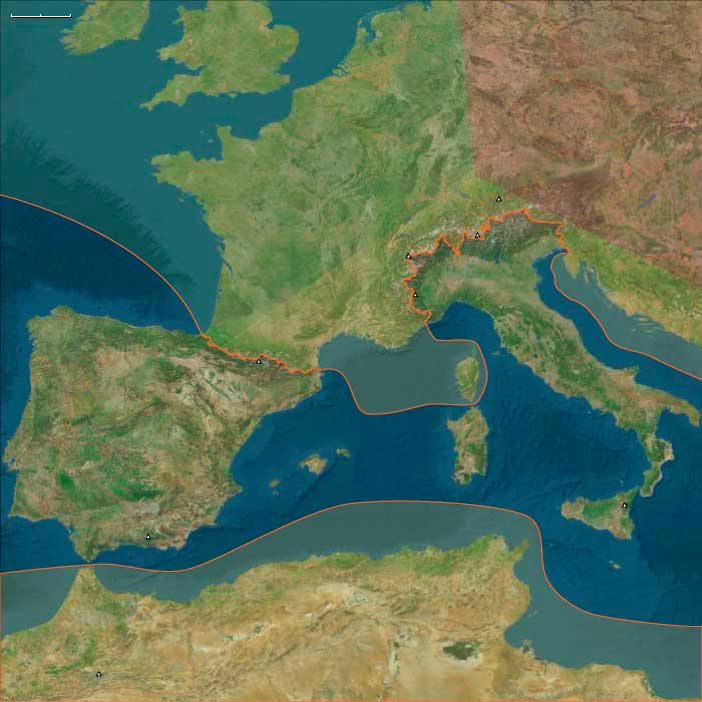
The northwestern boundary extends from south-central Germany along the Swiss border, encompassing all Swiss cities except Basel. It then separates southern France from northern France, continues through Spain, and divides Portugal at Setúbal, marking a north-south division within both countries. The boundary then extends into the Atlantic Ocean, where it distinguishes Madeira (a Portuguese territory) from the Canary Islands (ruled by Spain).
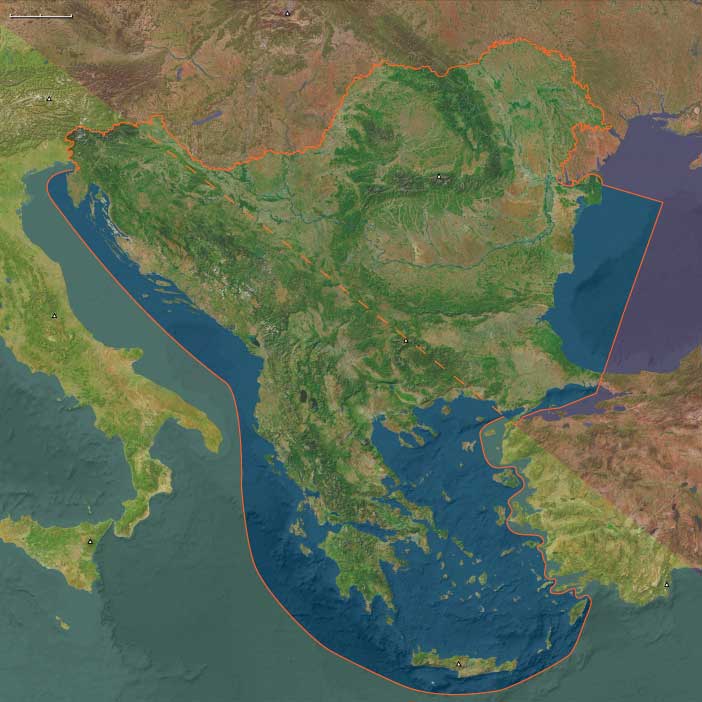
The northeastern boundary separates Alpine Austria from the rest of the country, then moves through the Balkans, roughly following the borders between:
- Hungary and Slovenia,
- Serbia and Croatia,
- Bosnia and Herzegovina, Montenegro, and Kosovo,
- Bulgaria and North Macedonia,
- Turkey-in-Europe and Greece.
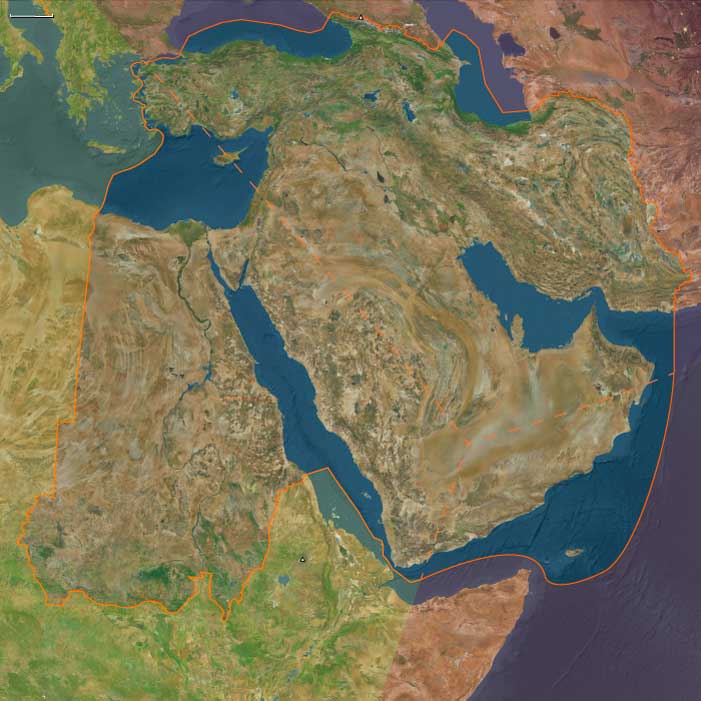
From there, the line continues through western Turkey and Cyprus, dividing Syria and most of Lebanon from Israel and most of Jordan, and marking the separation between western and eastern Arabia.
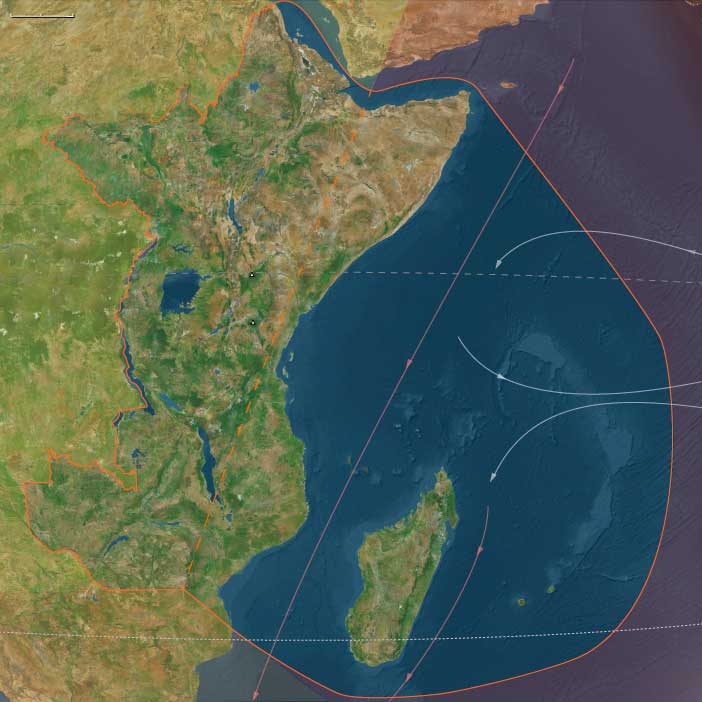
The southeastern boundary follows the historic division between North and South Yemen, then extends through eastern Africa, delineating Mozambique from Zambia.
HistoryAtlas contains 18,610 entries for the Middle of The Earth from the Paleolithic period to 1899.Narrow results by searching for a word or phrase or select from one or more of a dozen filters.
All humans originate from East Africa, according to the theory of recent African origin of modern humans, the position held within a majority of the scientific community.
Some of the earliest fossilized hominid remains have been found in East Africa, including those found in Awash Valley of Ethiopia, Koobi Fora in Kenya and Olduvai Gorge in Tanzania.
Anthropologists believe that East Africa's Great Rift Valley is the site of humankind's origins. (The valley traverses Ethiopia from southwest to northeast.)
In 1974 archaeologists excavating sites in the Awash River will valley discover three and a half-million-year-old fossil skeletons, which they name Australopithecus afarensis.
These earliest known hominids stand upright, live in groups, and have adapted to living in open areas rather than in forests.
Human feet have a very distinctive shape, different from all other land animals.
The combination of a long sole, five short forward-pointing toes without claws, and a hallux ("big toe") that is larger than the other toes, is unique.
The feet of our closest relatives, the great apes, look more like a human hand with a thumb-like hallux that sticks out to the side.
These footprints, from Trachilos in western Crete, have an unmistakably human-like form.
This is especially true of the toes.
The big toe is similar to our own in shape, size and position; it is also associated with a distinct 'ball' on the sole, which is never present in apes.
At approximately 5.7 million years, these footprints are younger than the oldest known fossil hominin, Sahelanthropus from Chad, and contemporary with Orrorin from Kenya, but more than a million years older than Ardipithecus ramidus with its ape-like feet.
The Trachilos footprints are securely dated using a combination of foraminifera (marine microfossils) from over- and underlying beds, plus the fact that they lie just below a very distinctive sedimentary rock formed when the Mediterranean sea briefly dried out, 5.6 million years ago.
During the time when the Trachilos footprints were made, a period known as the late Miocene, the Sahara Desert did not exist; savannah-like environments extended from North Africa up around the eastern Mediterranean.
Furthermore, Crete had not yet detached from the Greek mainland.
It is thus not difficult to see how early hominins could have ranged across south-east Europe and well as Africa, and left their footprints on a Mediterranean shore that will one day form part of the island of Crete.
Lucy, discovered in the Awash Valley of Ethiopia's Afar region, is considered the world's second oldest, but most complete and best preserved, adult Australopithecine fossil.
Lucy's taxonomic name, Australopithecus afarensis, means 'southern ape of Afar', and refers to the Ethiopian region where the discovery was made.
Lucy is estimated to have lived three point two million years ago.
There have been many other notable fossil findings in the country, including another early hominin, Ardipithicus ramidus (Ardi).
East Africa, and more specifically the general area of Ethiopia, is widely considered the site of the emergence of early Homo sapiens in the Middle Paleolithic.
Homo rudolfensis is a fossil human species discovered by Bernard Ngeneo, a member of a team led by anthropologist Richard Leakey and zoologist Meave Leakey in 1972, at Koobi Fora on the east side of Lake Rudolf (now Lake Turkana) in Kenya.
Originally thought to be a member of the species Homo habilis, the fossil was the center of much debate concerning its species.
The skull was at first incorrectly dated at nearly three million years old.
The differences in this skull, when compared to others of the Homo habilis species, are too pronounced, leading to the presumption of a Homo rudolfensis species, contemporary with Homo habilis.
It is not certain if H. rudolfensis was ancestral to the later species in Homo, or if H. habilis was, or if some third species yet to be discovered was.
Homo erectus (from the Latin ērĭgĕre, "to put up, set upright") is an extinct species of hominid that originated in Africa—and spread as far as China and Java—from the end of the Pliocene epoch to the later Pleistocene, about 1.8 to 1.3 million years ago.
There is still disagreement on the subject of the classification, ancestry, and progeny of H. erectus, with two major alternative hypotheses: erectus may be another name for Homo ergaster, and therefore the direct ancestor of later hominids such as Homo heidelbergensis, Homo neanderthalensis, and Homo sapiens; or it may be an Asian species distinct from African ergaster
H. erectus originally migrated from Africa during the Early Pleistocene, possibly as a result of the operation of the Saharan pump, around two million years ago, and dispersed throughout much of the Old World.
Fossilized remains one million eight hundred thousand to one million years old have been found in Africa (e.g., Lake Turkana and Olduvai Gorge), Europe (Georgia, Spain), Indonesia (e.g., Sangiran and Trinil), Vietnam, and China (e.g., Shaanxi).

Turkana Boy is the common name of fossil KNM-WT 15000, a nearly complete skeleton of a hominid that died in the early Pleistocene.
This specimen is the most complete early human skeleton ever found.
It is one and a half million years old.
Turkana Boy is classified as either Homo erectus or Homo ergaster.
His age has been estimated from as old as fifteen years to as young as seven years six months.
The most recent scientific review suggests eight years of age.
It was initially suggested that he would have grown into 1.85 meters tall adult but the most recent analysis argues for the much shorter stature of 1.63 meters.
The reason for this shift has been research showing that his growth maturation differed from that of modern humans in that he would have had a shorter and smaller adolescent growth spurt.
The skeleton was discovered in 1984 by Kamoya Kimeu, a member of a team led by Richard Leakey, at Nariokotome near Lake Turkana in Kenya.
The KNM-WT 15000 skeleton still had features (such as a low sloping forehead, strong brow ridges, and the absence of a chin) not seen in H. sapiens.
The arms were slightly longer.
Turkana Boy seems to have had a projecting nose rather than the open flat nose seen in apes.
His thoracic vertebrae are narrower than in Homo sapiens.
This would have allowed him less motor control over the thoracic muscles that are used in modern humans to modify respiration to enable the sequencing upon single out breaths of complex vocalizations.
Dated to over one million years old, it is the oldest skeletal find of its kind and provides a link between hominids and the earliest anatomically modern humans.
It is believed that the section of the Danakil Depression in Eritrea was also a major player in terms of human evolution, and may contain other traces of evolution from Homo erectus hominids to anatomically modern humans.
The cave of Šandalja near Pula/Pola bears evidence of the presence of Homo erectus from about one million years BP, the earliest traces of human life in this part of Europe.
The fossil was discovered by archeologist Italo Biddittu and was nicknamed "Ceprano Man" after a nearby town in the province of Frosinone, eighty-nine kilometers southeast of Rome, Italy.
The age of the fossil is estimated to be between three hundred and fifty thousand to five hundred thousand years old.
An adjacent site, Fontana Ranuccio, was dated to 487,000 +/- 6000 years and Muttoni, et al., suggest that Ceprano is most likely four hundred and fifty thousand years old.
The cranial features on the bone seem to be intermediate between those found on Homo erectus and those of later species such as Homo heidelbergensis, which dominated Europe long before Homo neanderthalensis.
There is yet not enough material to make a complete analysis of the individual.