The Great Famine in Western Europe (Late 12th Century)
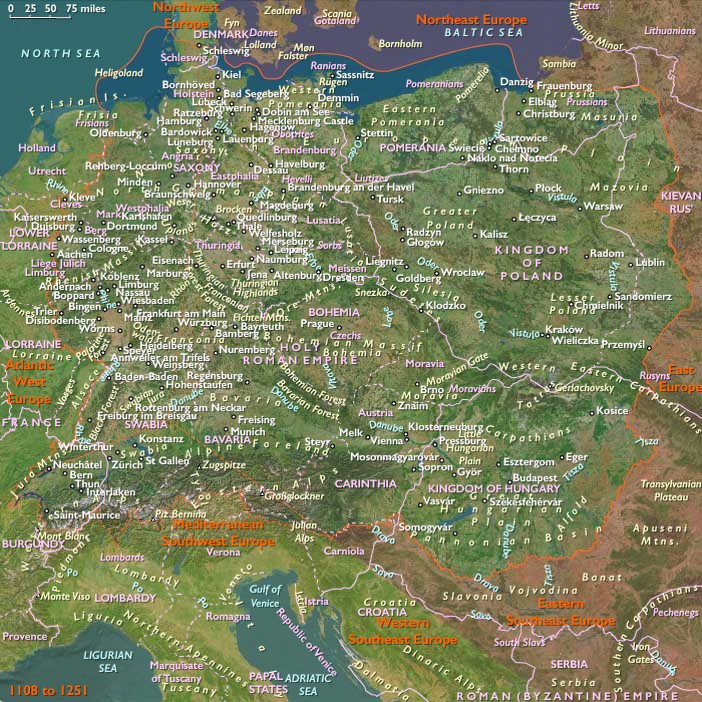
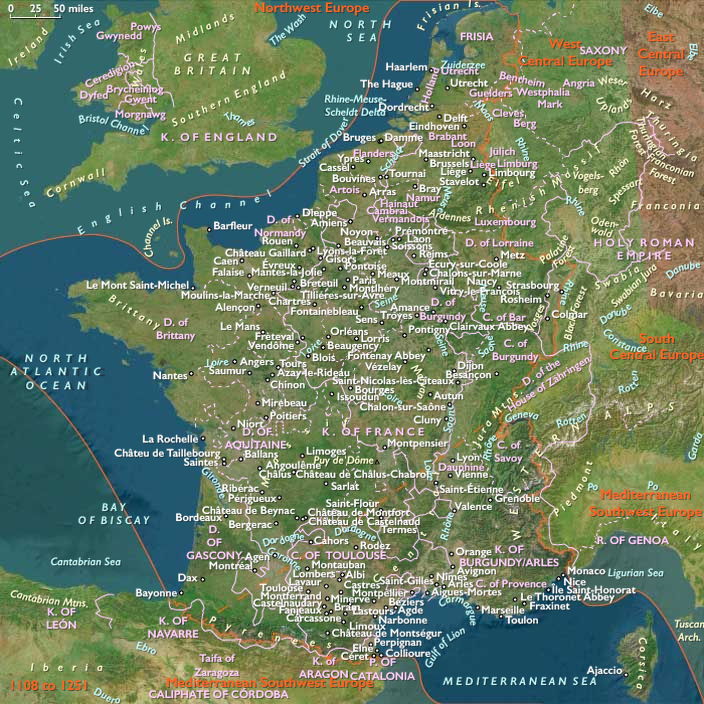
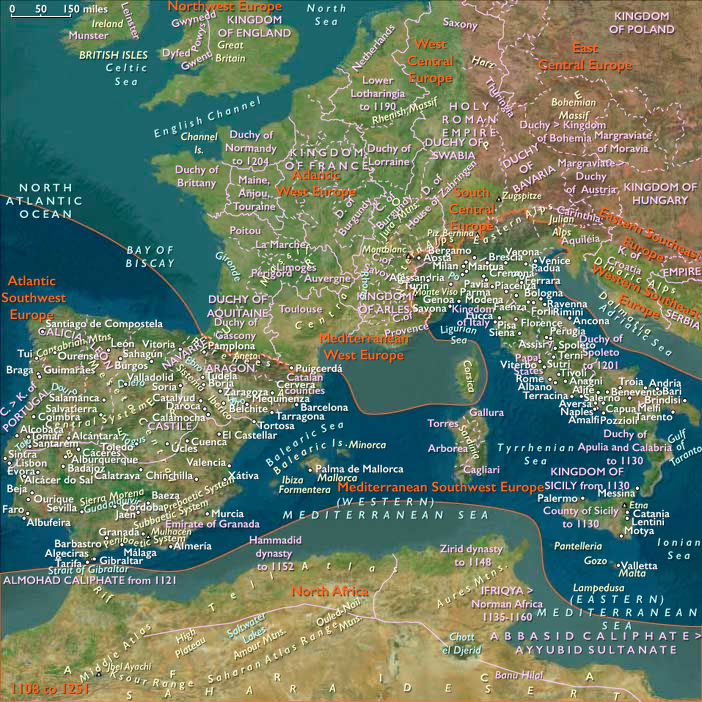
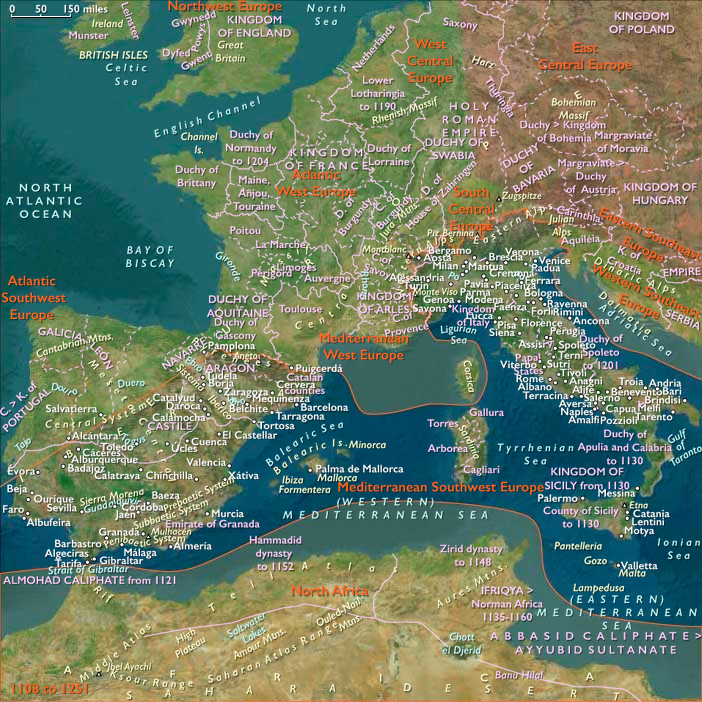
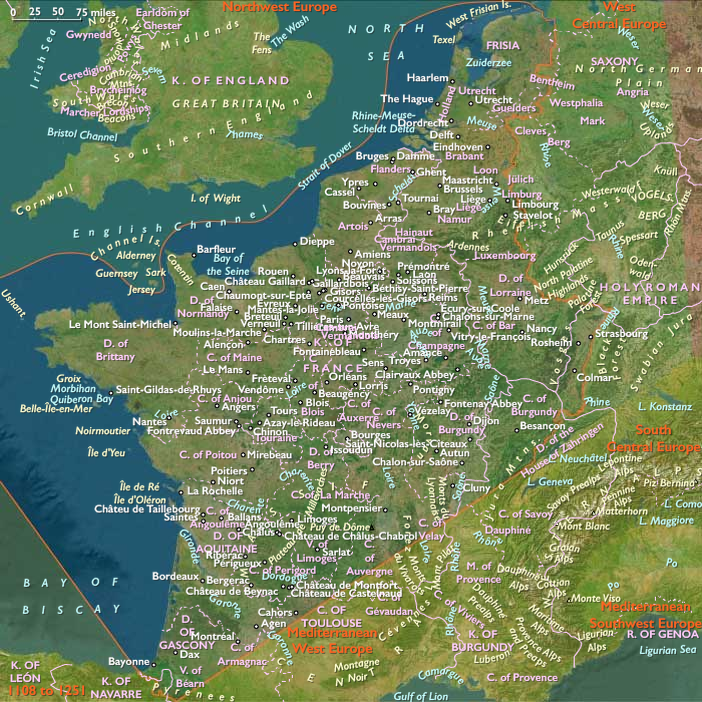
During thelate 12th century,unrelenting rainfall and severe weather patternsled tocatastrophic harvest failuresacrossWestern Europe, triggering one of theworst famines of the century. Withgrain stores depleted and food production in crisis, widespreadhunger, malnutrition, and social unrestfollowed, exacerbating existingeconomic and political pressures.
Causes of the Famine
Excessive Rainfall and Crop Failures
Prolongedheavy rains ruined grain crops,delayed planting seasons, andwaterlogged fieldsled to widespreadrot and fungal infections.
The shortage ofwheat, barley, and rye—the staple grains of medieval Europe—crippled food supplies.
Lack of Agricultural Surplus
Medieval agrarian economies operated on asubsistence model, leavinglittle to no surplus grain for emergencies.
Asingle year of poor harvestscould devastate entire communities, andsuccessive bad years led to full-blown famine.
Population Growth Straining Resources
By the late 12th century,population growth had put increasing pressure on available farmland.
When food shortages struck,even minor disruptions had catastrophic consequences.
Consequences of the Famine
Mass Starvation and Desperation
Rural communities were hardest hit, forcingpeasants to forage for wild foods, eat roots and bark, or rely on charity.
Urban grain shortagesled tosoaring food prices, making bread—the staple food of most medieval diets—too expensive for many to afford.
Migration and Social Displacement
Large numbers ofdesperate peasants abandoned their villages, migrating in search offood and alms.
Someflocked to cities, further strainingalready struggling urban economies.
Political and Economic Instability
Kings and lords struggled tomaintain orderasstarving populations rioted or resorted to theft.
Landowners and rulers faced declining revenues, aspeasant laborers died or fled their fields.
In some regions,weakened governance led to increased lawlessness, with bands ofrobbers and mercenaries exploiting the crisis.
Long-Term Impact
The faminehighlighted the fragility of medieval agrarian economies, wheresocieties were highly vulnerable to climatic fluctuations.
Itexposed the limitations of feudal rulersin responding towidespread food crises, leading to increaseddistrust in local lords.
The famine reinforcedthe need for better grain storage, improved agricultural techniques, and more stable economic policies, lessons that would be tested in later medieval crises.
TheGreat Famine of the late 12th centurywas aharsh reminder of the precarious nature of medieval life, whereclimatic shifts could rapidly plunge entire populations into suffering, starvation, and political unrest.