Event
The Fusion of Northern and Mediterranean Artistic…
The Fusion of Northern and Mediterranean Artistic Traditions in Early Medieval Jewelry
The fusion of northern and Mediterranean cultures that began with the creation of Charlemagne’s empire (800 CE) and the Holy Roman Empire (962 CE) gave rise to a distinctive artistic tradition, particularly in the realm of jewelry and metalwork. This period saw a shift in artistic patronage, with emperors and the church emerging as the primary benefactors of luxury craftsmanship, supporting the work of goldsmiths, enamellers, and jewelers in imperial courts and monastic workshops.
Materials and Techniques
- Gold settings were the foundation of medieval jewelry, with intricate inlays of precious stones and pearlsarranged in vibrant patterns.
- Gems were polished but not faceted, maintaining their natural forms in settings that emphasized their raw beauty and talismanic properties.
- Filigree, granulation, and cloisonné enamel work, techniques inherited from Byzantine and Roman traditions, were widely used to embellish crowns, brooches, and reliquaries.
Symbolism and Spiritual Meaning
Jewelry in this period was not merely decorative; it carried deep religious and symbolic significance:
- Sapphires, associated with chastity and spiritual peace, were favored in papal rings and ecclesiastical regalia.
- Antique cameo gems, highly valued for their craftsmanship, were often repurposed and given Christian reinterpretations, such as transforming pagan deities into saints or biblical figures.
- Many pieces were believed to possess protective powers, reinforcing the medieval worldview that gemstones held divine or mystical properties.
Patronage and Production Centers
The imperial court workshops of Aachen, Reims, and Magdeburg, alongside monastic scriptoria, became centers of jewelry production, crafting ornate reliquaries, crosses, and regalia for both secular and ecclesiastical use.
The blend of Germanic metalwork traditions with Mediterranean refinement led to the development of a uniquely Carolingian and Ottonian artistic identity, laying the groundwork for the richly ornamented treasures of the later medieval period.
-
{# Image navigates to the detail page; the magnifying-glass chip is the only Fancybox lightbox trigger (kept a separate sibling — anchors can't nest). #}
 The North Atlantic Lands
World
-
{# Image navigates to the detail page; the magnifying-glass chip is the only Fancybox lightbox trigger (kept a separate sibling — anchors can't nest). #}
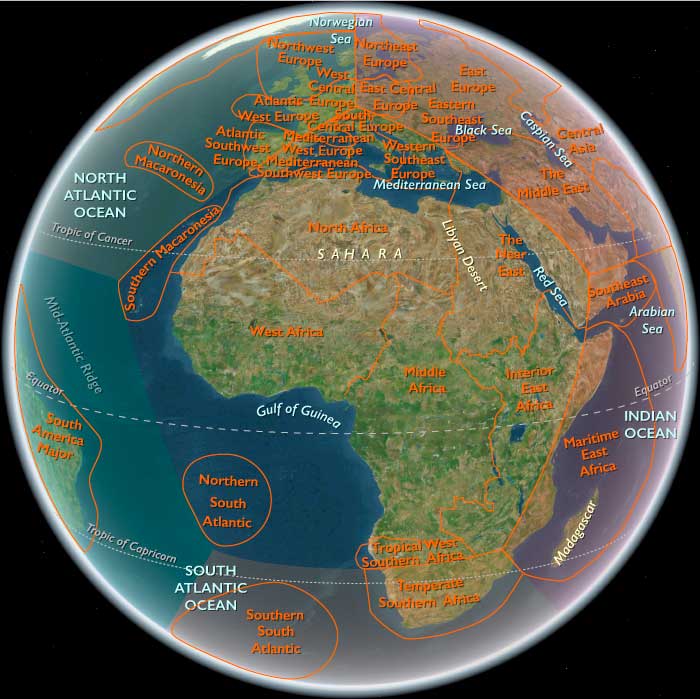
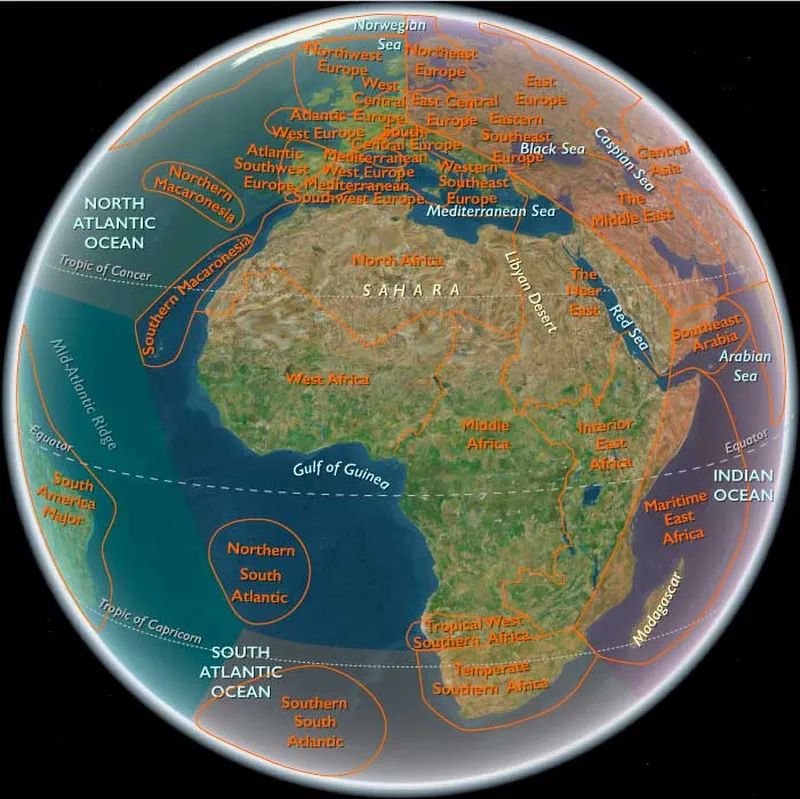 The Middle of The Earth
World
-
{# Image navigates to the detail page; the magnifying-glass chip is the only Fancybox lightbox trigger (kept a separate sibling — anchors can't nest). #}
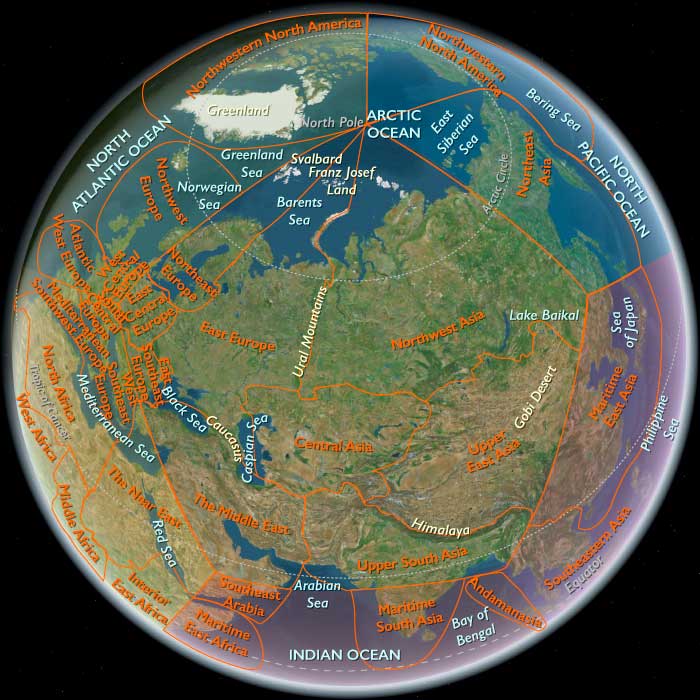
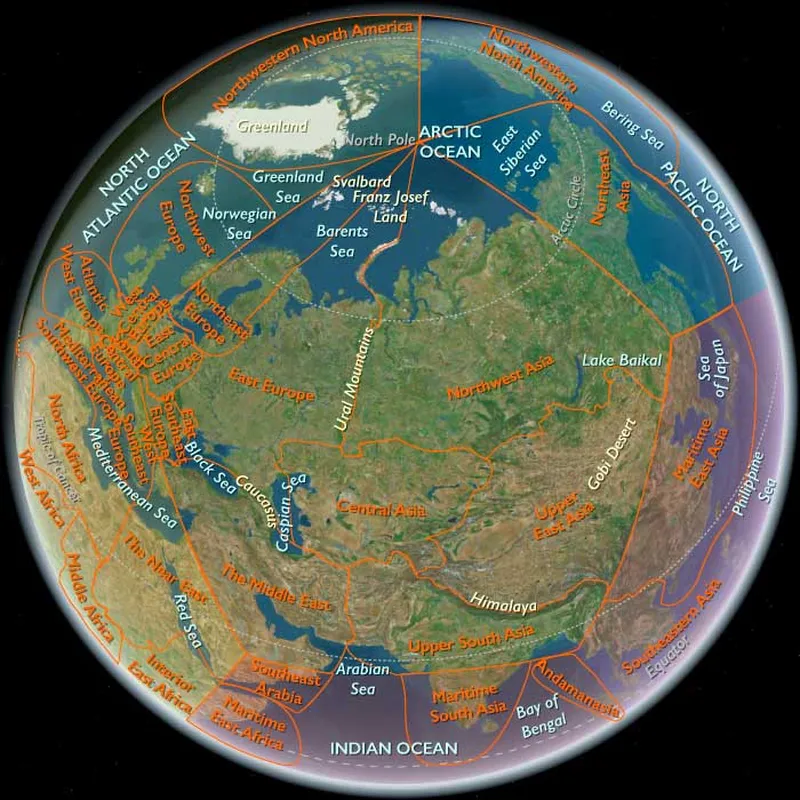 The Great Crossroads
World
-
{# Image navigates to the detail page; the magnifying-glass chip is the only Fancybox lightbox trigger (kept a separate sibling — anchors can't nest). #}
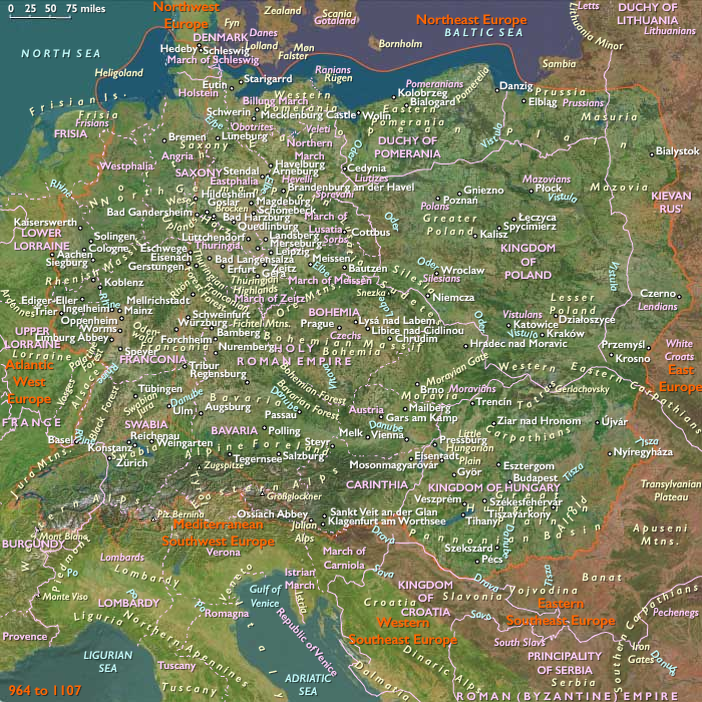 Central Europe
Region
-
{# Image navigates to the detail page; the magnifying-glass chip is the only Fancybox lightbox trigger (kept a separate sibling — anchors can't nest). #}
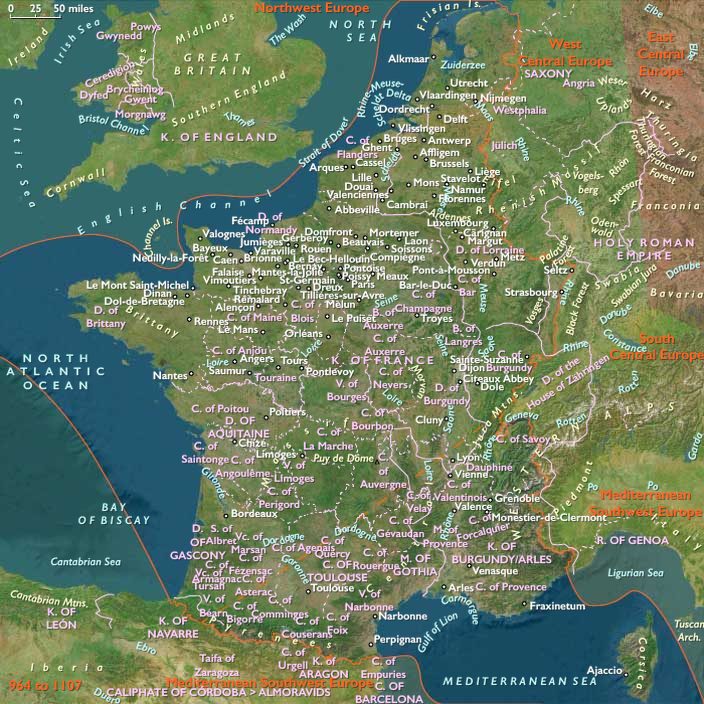 West Europe
Region
-
{# Image navigates to the detail page; the magnifying-glass chip is the only Fancybox lightbox trigger (kept a separate sibling — anchors can't nest). #}
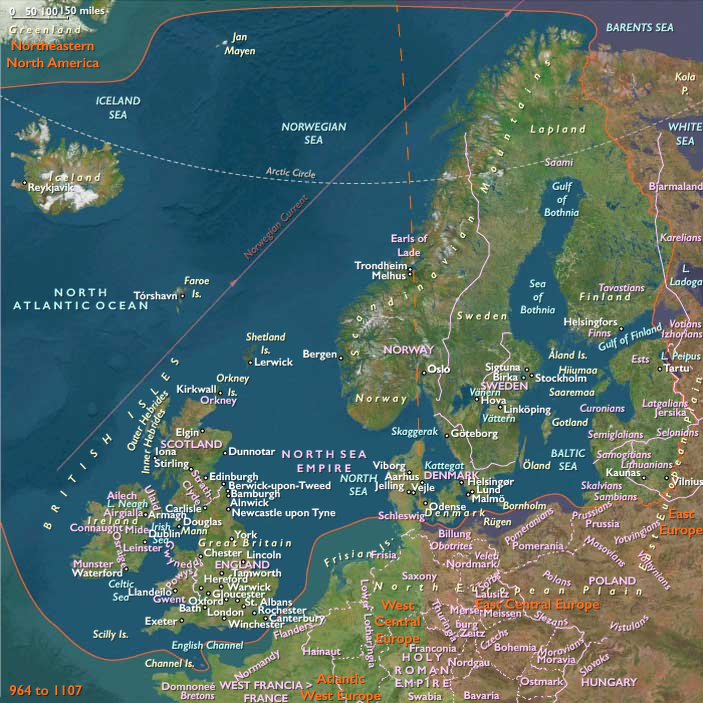 North Europe
Region
-
{# Image navigates to the detail page; the magnifying-glass chip is the only Fancybox lightbox trigger (kept a separate sibling — anchors can't nest). #}
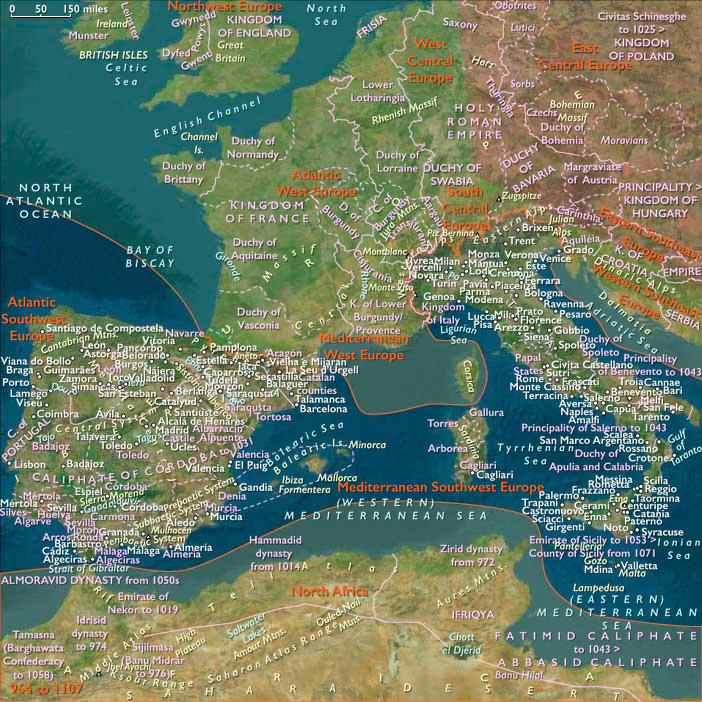 Southwest Europe
Region
-
{# Image navigates to the detail page; the magnifying-glass chip is the only Fancybox lightbox trigger (kept a separate sibling — anchors can't nest). #}
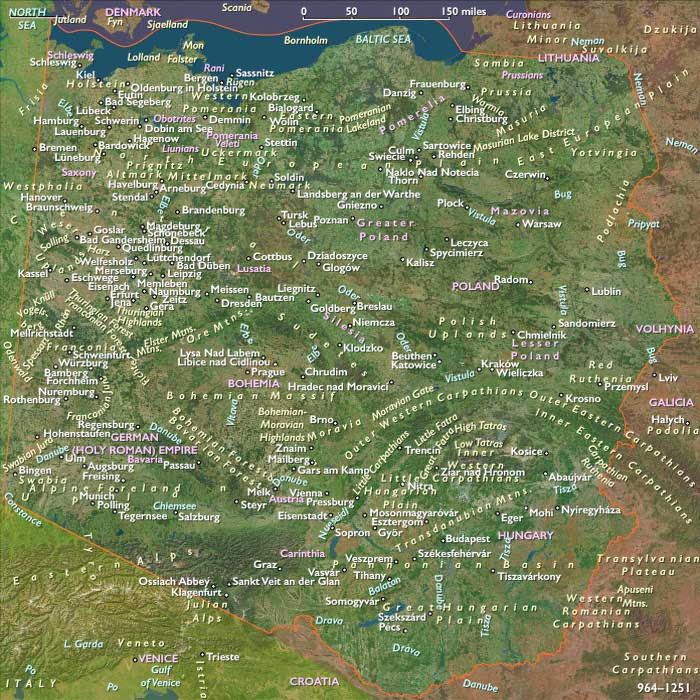 East Central Europe
Subregion
-
{# Image navigates to the detail page; the magnifying-glass chip is the only Fancybox lightbox trigger (kept a separate sibling — anchors can't nest). #}
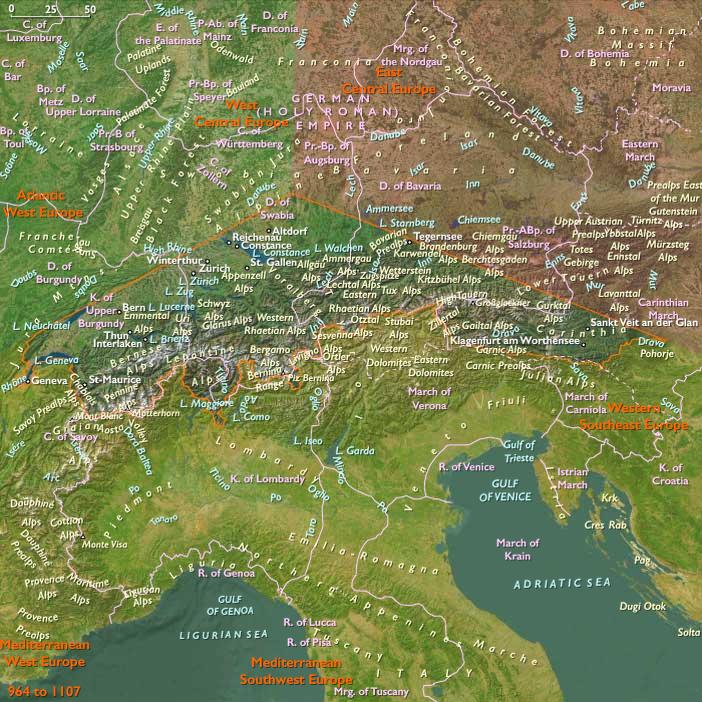 South Central Europe
Subregion
-
{# Image navigates to the detail page; the magnifying-glass chip is the only Fancybox lightbox trigger (kept a separate sibling — anchors can't nest). #}
 Mediterranean West Europe
Subregion
-
{# Image navigates to the detail page; the magnifying-glass chip is the only Fancybox lightbox trigger (kept a separate sibling — anchors can't nest). #}
 Mediterranean Southwest Europe
Subregion
-
{# Image navigates to the detail page; the magnifying-glass chip is the only Fancybox lightbox trigger (kept a separate sibling — anchors can't nest). #}
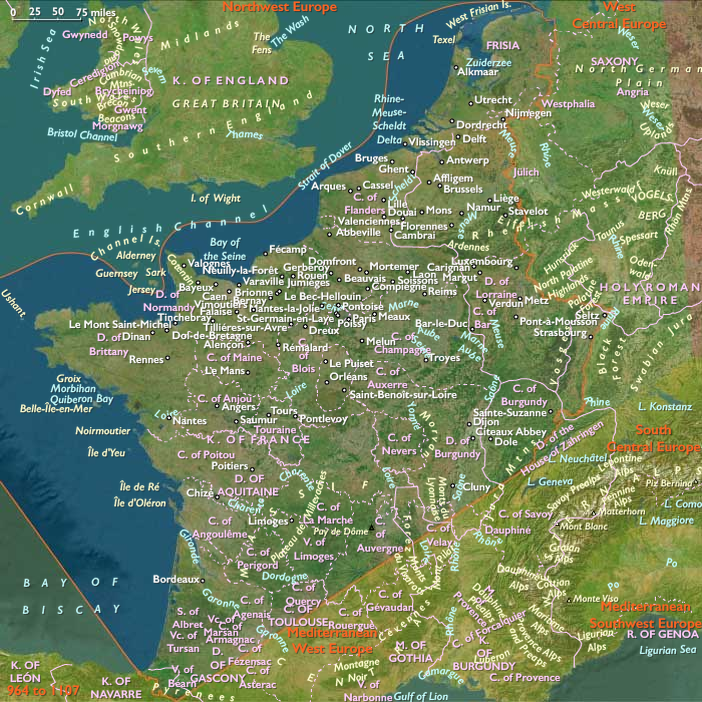 Atlantic West Europe
Subregion
-
{# Image navigates to the detail page; the magnifying-glass chip is the only Fancybox lightbox trigger (kept a separate sibling — anchors can't nest). #}
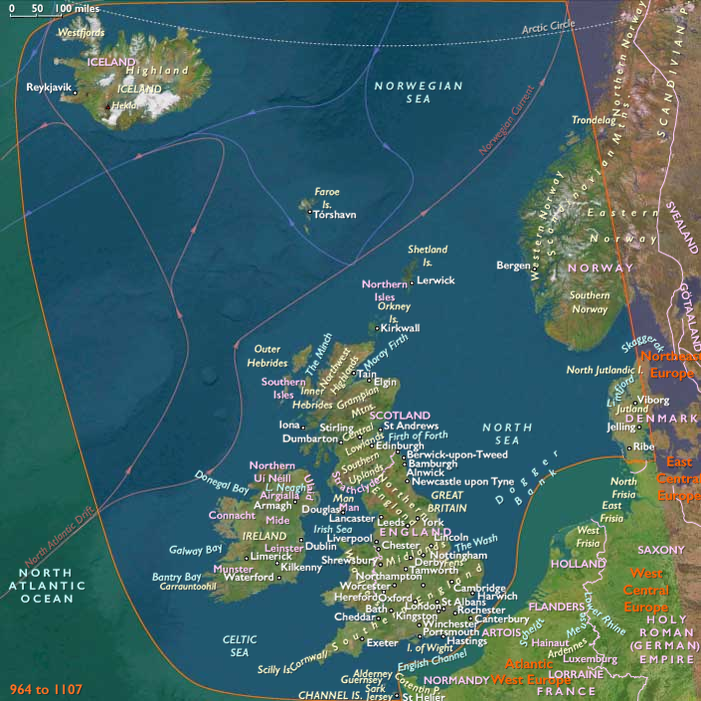 Northwest Europe
Subregion