
Atlantic Southwest Europe (333–190 BCE): Celtic Consolidation, …
Years: 333BCE - 190BCE
Atlantic Southwest Europe (333–190 BCE): Celtic Consolidation, Lusitanian Expansion, and Emergence of Major Iberian Tribes
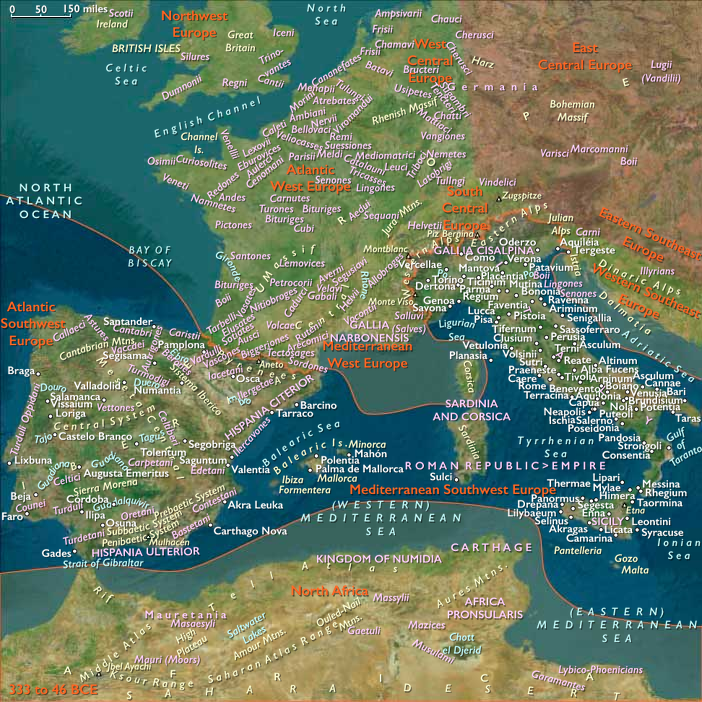
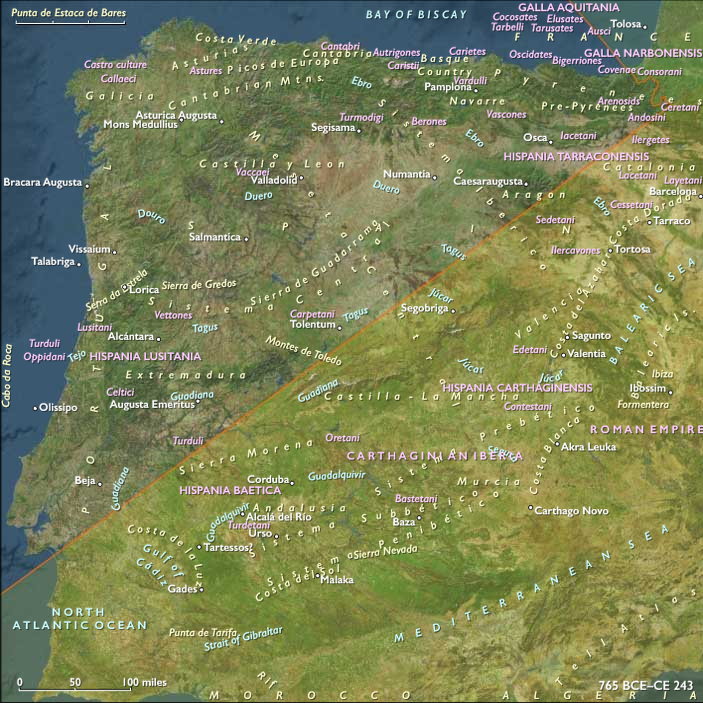
Between 333 and 190 BCE, Atlantic Southwest Europe—covering northern and central Portugal, Galicia, Asturias, Cantabria, and parts of northern Spain—experienced intensified Celtic integration, the flourishing of Lusitanian culture, and increased Mediterranean interactions. Significantly, this era witnessed the clear historical emergence of distinctive Iberian and Celtic tribal groups—including the Gallaeci, Astures, Cantabri, Autrigones, Caristii/Carietes, Vardulli, Berones, Turmodigi,
Vaccaei, Vettones, Celtici, and Turduli Oppidani—each defining regional identities that would profoundly shape subsequent historical developments.
Political and Societal Developments
Consolidation of Major Tribal Groups
-
Gallaeci tribes prominently occupied northwestern Iberia (modern Galicia and northern Portugal), closely associated with the Castro culture. They expanded fortified settlements and maintained substantial regional power through trade, agriculture, and metalworking.
-
Astures and Cantabri emerged as dominant tribal confederations in northern Iberia (modern Asturias and Cantabria), known for fiercely defending their autonomy, developing extensive hillfort settlements, and distinctive warrior societies.
-
Tribes such as the Autrigones, Caristii, Carietes, Vardulli, and Berones occupied territories across the northern Iberian plateau and eastern Cantabrian areas, establishing distinct cultural identities marked by fortified settlements, metallurgy, and agricultural practices.
-
Inland Iberian tribal groups, notably the Turmodigi, Vaccaei, and Vettones, developed significant agricultural economies, sophisticated settlement structures, and trade networks across the Iberian interior, interacting intensively with Celtic, Lusitanian, and Mediterranean neighbors.
-
The southern coastal and inland groups, particularly the Celtici and the Turduli Oppidani, established influential fortified towns (oppida), marking an early step toward proto-urban development and intensive Mediterranean engagement.
Lusitanian Expansion and Cultural Solidification
-
The Lusitanians expanded significantly in central and western Iberia, further consolidating their distinct cultural identity, warrior traditions, and economic strength through fortified settlements, intricate metalwork, and strategic alliances with neighboring tribes.
Continued Stability of Proto-Basque Communities
-
Proto-Basque groups maintained cultural and territorial resilience around the Pyrenees and northern valleys, resisting assimilation into neighboring Celtic-speaking communities, and continuing distinct linguistic and cultural practices.
Economic and Technological Developments
Intensified Mediterranean Economic Integration
-
Robust trade networks connected Atlantic Southwest Europe with Mediterranean societies, particularly Carthaginian and emerging Roman trade routes. Iberian tribes exchanged metals (silver, copper, tin), salt, wool, timber, and agricultural products for Mediterranean luxury goods, ceramics, iron implements, wine, and olive oil. Slave labor became deeply embedded within regional economies, particularly in mining operations (silver, copper, tin), agricultural estates, and household service. Slaves, captured during tribal conflicts or raids, were regularly exchanged for Mediterranean imports, reinforcing economic hierarchies.
-
Tribal elites among groups like the Gallaeci, Vettones, Celtici, and Lusitanians greatly benefited from these exchanges, consolidating their power and reinforcing social hierarchies.
Advancements in Iron Metallurgy
-
Iron technology was firmly established throughout the region, widely adopted for agriculture, warfare, and artisanal production, greatly enhancing productivity and military effectiveness.
-
Skilled artisans among the Gallaeci, Lusitanians, Celtici, and Vaccaei notably excelled in creating finely crafted iron and bronze weapons, tools, and decorative ornaments, blending indigenous and Mediterranean influences.
Cultural and Religious Developments
Hybridization of Cultural Traditions
-
The increasing Celtic presence influenced local artistic and material cultures across tribes, visible through the spread of distinctive Celtic motifs in metalwork, pottery, and decorative arts, creating hybridized artistic styles.
-
Tribal identities and linguistic patterns became increasingly complex, with clear Celtic linguistic influences emerging alongside indigenous Lusitanian and Iberian languages.
Complexity of Religious and Ritual Practices
-
Ritual and religious traditions intensified, integrating Celtic and indigenous practices involving ancestor worship, warrior cults, nature reverence, and communal rites.
-
Tribes maintained prominent sacred sites, hilltop sanctuaries, and ceremonial centers, reinforcing communal bonds, spiritual beliefs, and tribal identities.
Notable Settlements and Tribal Groups
-
Gallaeci and Castro Settlements: Extensive hillfort settlements across Galicia and northern Portugal served as regional centers, economically and culturally influential.
-
Astures and Cantabri: Numerous hillfort communities in Asturias and Cantabria, reflecting robust warrior traditions, territorial autonomy, and cultural distinctiveness.
-
Vettones, Vaccaei, and Turmodigi: Flourishing fortified towns and agriculturally prosperous settlements in the Iberian interior, influential in regional trade.
-
Celtici and Turduli Oppidani: Developed notable fortified towns along southern coastal and inland regions, becoming proto-urban trade hubs closely connected with Mediterranean commerce.
-
Proto-Basque Communities: Maintained distinct settlements and cultural practices around the western Pyrenees, demonstrating consistent cultural resilience.
Long-Term Significance and Legacy
Between 333 and 190 BCE, Atlantic Southwest Europe:
-
Witnessed the clear emergence and consolidation of major Iberian and Celtic tribal groups, significantly reshaping political landscapes, cultural identities, and economic interactions.
-
Deepened integration into Mediterranean economic networks, setting the stage for subsequent Roman expansion and economic incorporation.
-
Established foundational cultural diversity and complexity, influencing later historical trajectories and regional interactions with external powers.
This era decisively shaped the diverse cultural and political landscape of Atlantic Southwest Europe, paving the way for further interactions, particularly with Rome, and firmly embedding regional identities into the broader European historical narrative.
Groups
- Polytheism (“paganism”)
- Iberians
- Sicily, classical
- Celts
- Carthage, Kingdom of
- Lusitanians, or Lusitani
- Celtiberians
- Roman Republic
- La Tène culture
- Vettones
- Caristii
- Gallaeci
- Vaccaei
- Cantabri (Celtic tribe)
- Astures (Celtic tribe)
- Autrigones
- Berones
- Varduli
- Turmodigi
- Turduli Oppidani
- Celtici
- Sicilia (Roman province)
- Hispania Citerior (region of Hispania)
- Hispania Ulterior (region of Hispania)
Topics
Commodoties
- Weapons
- Domestic animals
- Oils, gums, resins, and waxes
- Grains and produce
- Fibers
- Ceramics
- Strategic metals
- Salt
- Slaves
- Beer, wine, and spirits
- Lumber
Subjects
Regions
Subregions
Years: 333BCE - 190BCE
Groups
- Polytheism (“paganism”)
- Iberians
- Sicily, classical
- Celts
- Carthage, Kingdom of
- Lusitanians, or Lusitani
- Celtiberians
- Roman Republic
- La Tène culture
- Vettones
- Caristii
- Gallaeci
- Vaccaei
- Cantabri (Celtic tribe)
- Astures (Celtic tribe)
- Autrigones
- Berones
- Varduli
- Turmodigi
- Turduli Oppidani
- Celtici
- Sicilia (Roman province)
- Hispania Citerior (region of Hispania)
- Hispania Ulterior (region of Hispania)
Topics
Commodoties
- Weapons
- Domestic animals
- Oils, gums, resins, and waxes
- Grains and produce
- Fibers
- Ceramics
- Strategic metals
- Salt
- Slaves
- Beer, wine, and spirits
- Lumber
Subjects
Regions
Subregions