Event

Andamanasia (676–819 CE): Early Medieval — Bay…
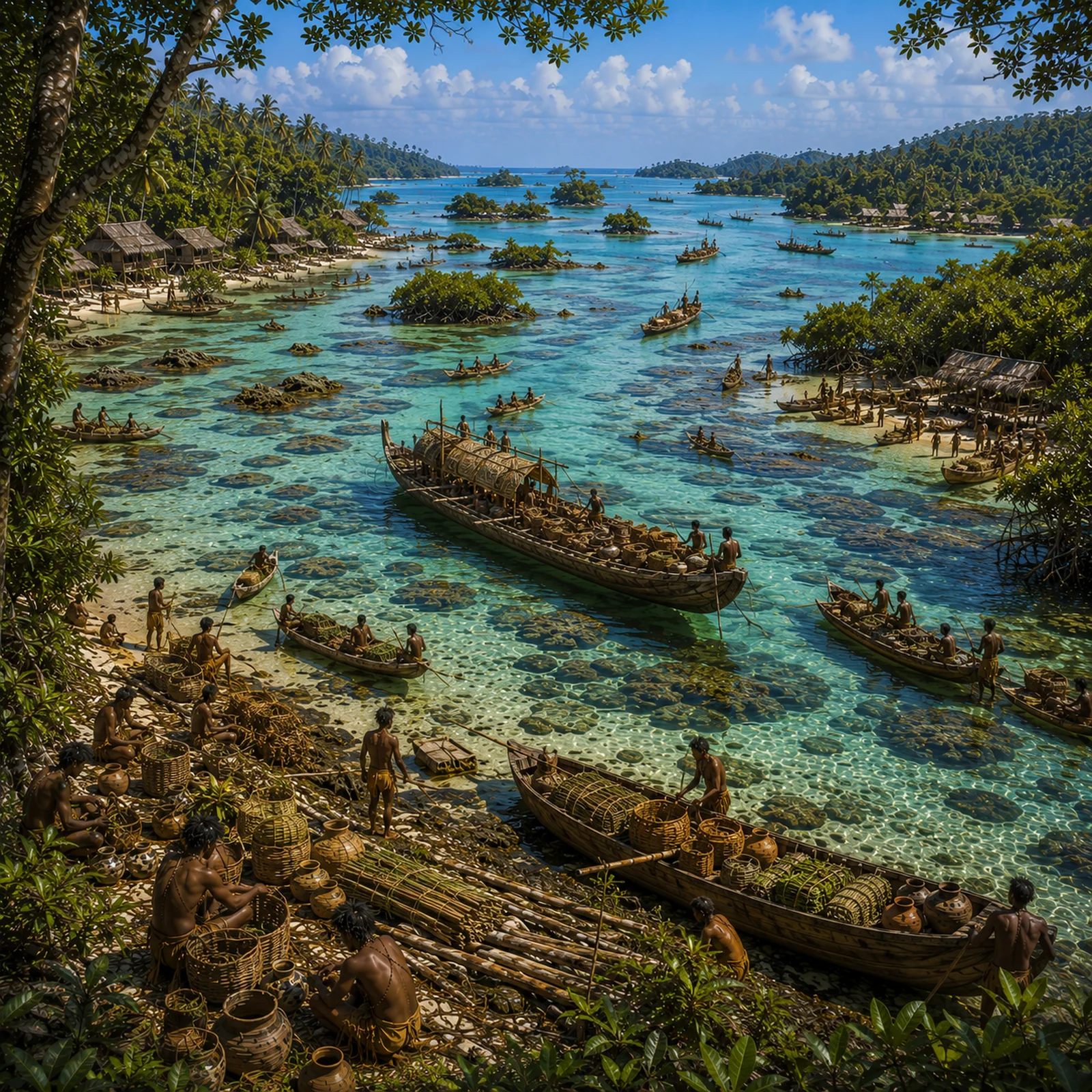
676 CE – 819 CE Andamanasia

Andamanasia (676–819 CE): Early Medieval — Bay of Bengal Canoe Crossroads

Geographic and Environmental Context

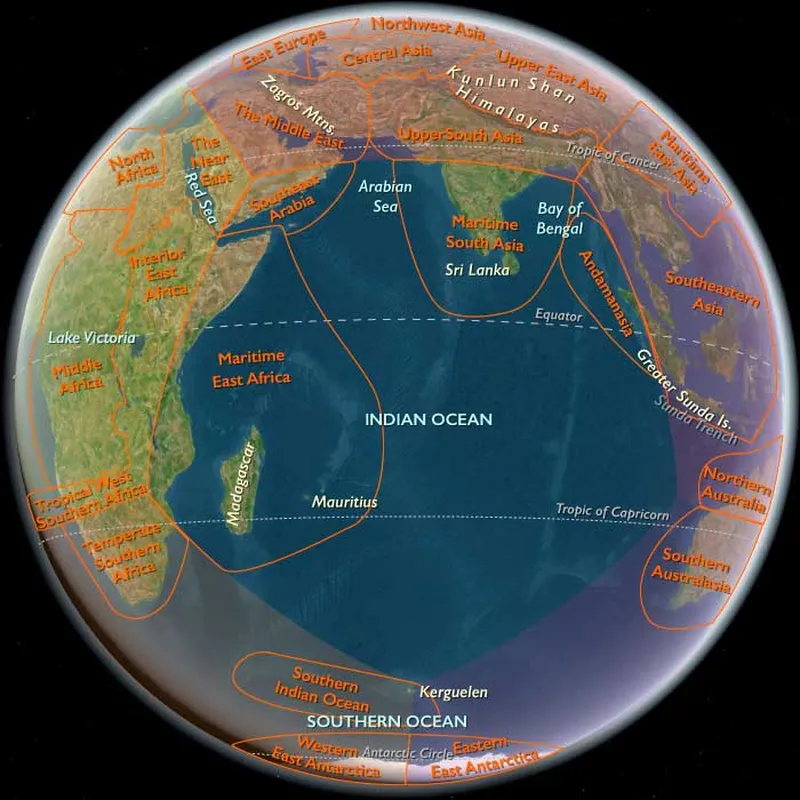
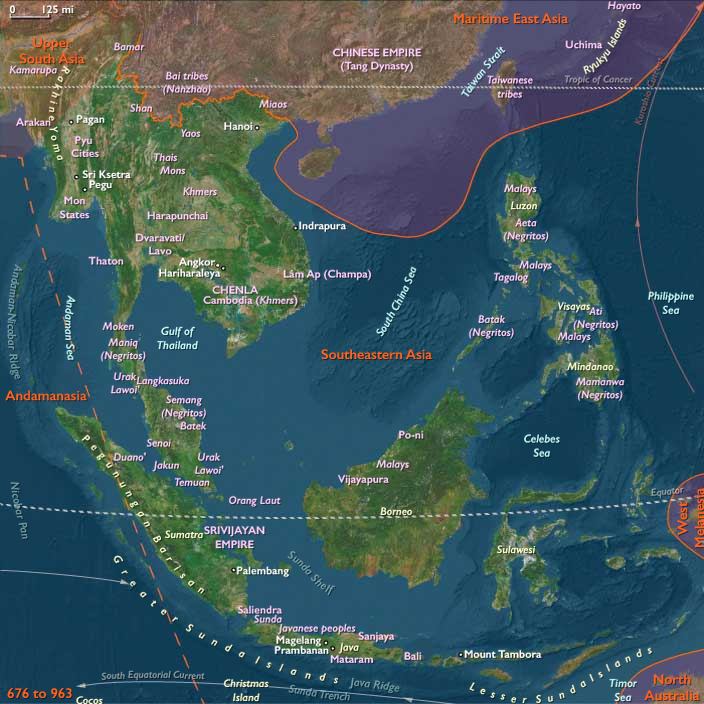
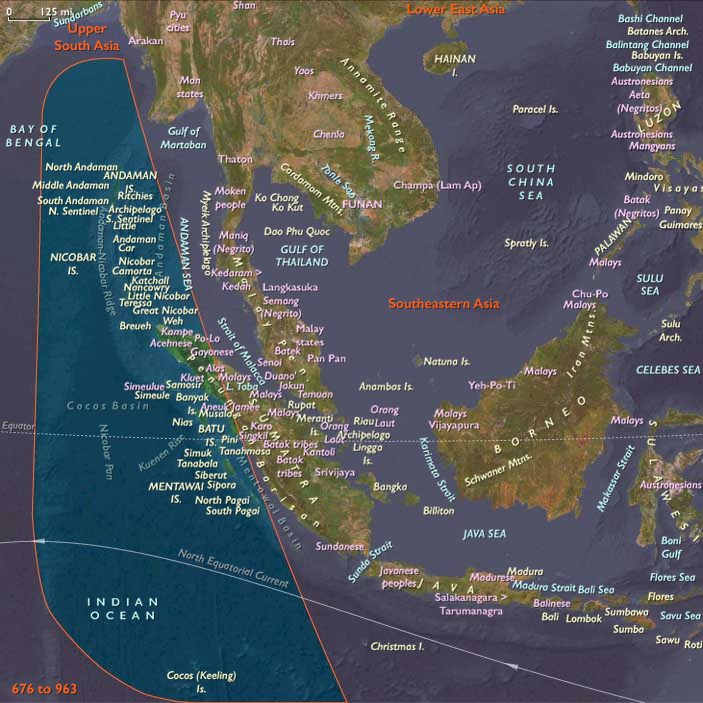
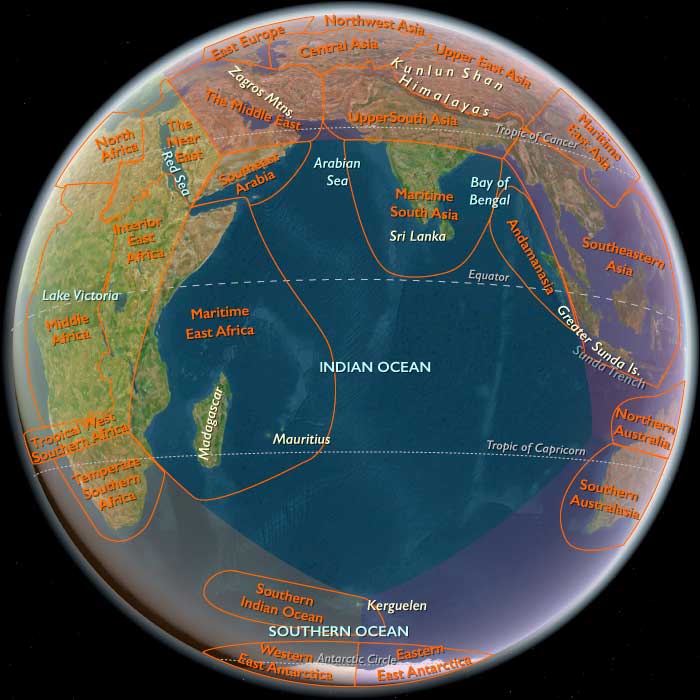
Andamanasia occupied one of the principal maritime corridors linking the eastern Indian Ocean with Southeast Asia. Its reefs, sheltered anchorages, rainforest resources, and dependable monsoon winds sustained increasingly regular inter-island and long-distance navigation.

Societies and Political Developments

Aceh, Nias, Mentawai, and the Nicobars developed stable canoe-centered communities whose hereditary leaders coordinated exchange, resource distribution, and seasonal maritime activity. The Andaman Islands continued to preserve highly autonomous foraging societies, resisting the agricultural expansion that transformed neighboring regions. Political authority remained local, but maritime relationships increasingly connected multiple island communities.

Economy and Exchange

The islands became important intermediaries within Bay of Bengal commerce. Coconut products, forest resins, timber, shells, turtle products, fish, and fiber moved through regional exchange networks in return for iron tools, pottery, beads, fine textiles, and other imported goods. Seasonal canoe traffic intensified as island communities participated in wider Indian Ocean circulation.

Technology and Material Culture

Large outrigger canoes, sophisticated woodworking, durable iron tools, pottery, barkcloth, woven coconut-fiber cordage, and elaborately carved canoe prows reflected increasingly specialized maritime technologies adapted to long-distance island navigation.

Belief and Cultural Life

Ancestor veneration remained the dominant religious tradition. Canoes continued to symbolize ancestral identity, while ritual feasts, dances, sacred groves, and occasional canoe or tree burials reinforced enduring connections between maritime life and spiritual belief despite expanding foreign contacts.

Environmental Adaptation and Resilience

Island societies successfully integrated intensive maritime exchange with sustainable management of reefs, forests, mangroves, and freshwater resources. Flexible canoe networks enabled communities to redistribute food and materials after storms, reinforcing resilience across the archipelago.

Legacy of the Age

By 819 CE, Andamanasia had become a maritime crossroads where resilient island societies connected the Bay of Bengal through canoe exchange while preserving distinctive local traditions. The enduring contrast between the independent foragers of the Andamans and the increasingly commercial Nicobar–Aceh–Nias sphere would shape the region's role in the medieval Indian Ocean world.

 
Andamanasia in the Early Medieval (Lower) age