
Event
John I of Portugal Ends Episcopal Jurisdiction…
John I of Portugal Ends Episcopal Jurisdiction in Porto
During his reign, King John I of Portugal (r. 1385–1433) took significant steps to strengthen royal authority and curb the excessive power of the clergy, particularly in major urban centers. One of his key reforms was the removal of the bishop’s civil jurisdiction over Porto, a move that was highly popular among the city’s residents.
The Bishop’s Authority in Porto Before John I
- Before John’s intervention, the Bishop of Porto exercised civil and judicial authority over the city, controlling:
- Tax collection and local governance, often to the detriment of the merchant class.
- Legal matters, which limited the king’s direct influence.
- Land and economic privileges, creating tension between the Church and the city’s growing commercial elite.
- This ecclesiastical control was a major source of discontent among the urban population and trade guilds, who sought greater self-governance.
John I’s Reform: Restoring Royal and Civic Authority
- To strengthen the monarchy’s influence over cities, John ended the bishop’s civil jurisdiction over Porto.
- This reform:
- Transferred judicial and administrative control from the bishop to royal officials.
- Increased municipal autonomy, allowing Porto’s merchants and guilds to participate more directly in governance.
- Weakened ecclesiastical interference in economic and political affairs.
Impact of the Reform
-
Boosted Support for the Crown
- John’s decision won him favor among Porto’s citizens, especially the influential merchant class.
- It reinforced his broader policy of empowering the urban middle class against the high nobility and clergy.
-
Strengthened Porto as a Commercial Hub
- With less interference from the Church, Porto became a more self-governing city, leading to economic growth.
- The city continued to develop as one of Portugal’s most important trade centers, especially in the wine and maritime industries.
-
Set a Precedent for Reducing Clerical Power
- This act was part of John I’s broader effort to limit the political and economic power of the Church, reinforcing royal supremacy.
- It paved the way for later monarchs to assert more control over cities and reduce clerical privilege.
Conclusion: A Step Toward Stronger Royal Governance
By ending the bishop’s civil jurisdiction over Porto, John I reinforced royal authority, empowered the urban elite, and helped modernize governance in Portugal’s cities. This was part of his broader strategy to create a stronger, centralized monarchy, setting the stage for Portugal’s rise as a major maritime and economic power in the 15th century.
-
{# Image navigates to the detail page; the magnifying-glass chip is the only Fancybox lightbox trigger (kept a separate sibling — anchors can't nest). #}
 The North Atlantic Lands
World
-
{# Image navigates to the detail page; the magnifying-glass chip is the only Fancybox lightbox trigger (kept a separate sibling — anchors can't nest). #}
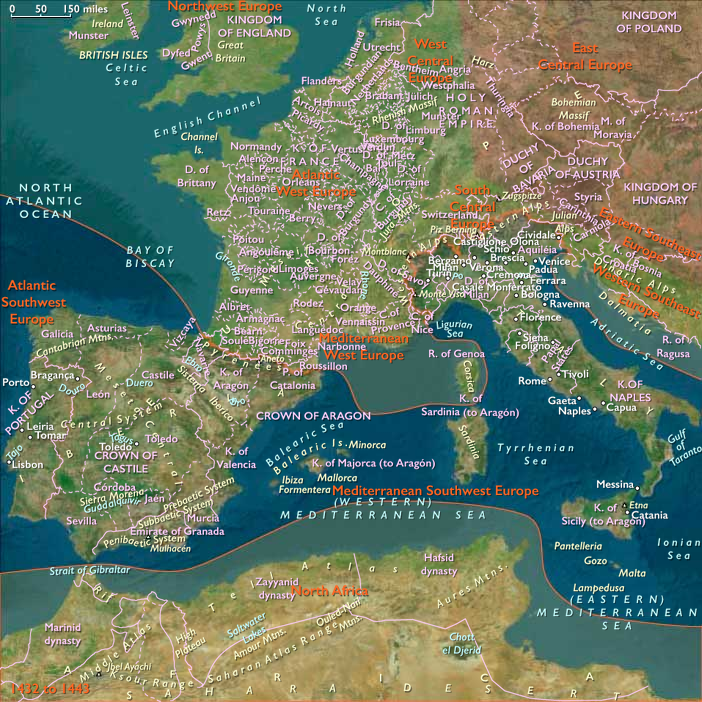 Southwest Europe
Region
-
{# Image navigates to the detail page; the magnifying-glass chip is the only Fancybox lightbox trigger (kept a separate sibling — anchors can't nest). #}
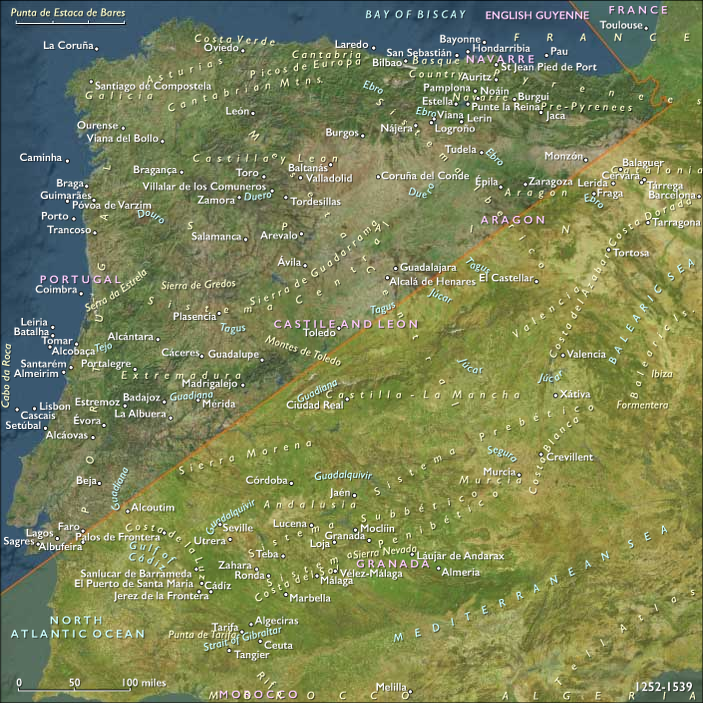 Atlantic Southwest Europe
Subregion
