
Atlantic Southwest Europe (1624–1635 CE): Deepening Crisis, …
Years: 1624 - 1635
Atlantic Southwest Europe (1624–1635 CE): Deepening Crisis, Economic Decline, and Prelude to Revolt
Between 1624 and 1635 CE, Atlantic Southwest Europe—including northern Portugal, Galicia, Asturias, Cantabria, northern León and Castile, northern Navarre, northern Rioja, and the Basque Country—experienced intensifying political pressures, deepening economic crisis, and rising cultural alienation from centralized Spanish Habsburg rule. As King Philip IV of Spain expanded imperial ambitions, regional tensions escalated, driven by burdensome taxation, declining maritime commerce, and persistent religious repression. This tumultuous era laid essential foundations for subsequent political upheavals, notably the Portuguese Restoration War (1640), reshaping regional identities, autonomy movements, and cultural trajectories.
Political and Military Developments
Imperial Struggles and Regional Backlash
Under Philip IV (1621–1665 CE), Spain deepened its military involvements across Europe, notably in the ongoing Thirty Years’ War (1618–1648 CE). Rising imperial demands for troops, resources, and financial contributions significantly strained Atlantic Southwest Europe’s regional economies and societies. Local frustration intensified sharply among elites and populations in northern Portugal, Galicia, Asturias, Cantabria, and northern Castile, fueling widespread resentment against perceived central exploitation.
Growing Portuguese Discontent and Mobilization
Northern Portugal, particularly cities like Porto, Braga, and Viana do Castelo, saw increasing anti-Spanish sentiments among regional nobility and merchant elites, who quietly began mobilizing political networks in anticipation of potential rebellion. This mounting dissatisfaction and preparation foreshadowed Portugal’s definitive break from Spanish rule in 1640.
Basque and Navarrese Resistance and Preservation of Autonomy
The Basque provinces (Biscay, Gipuzkoa, Álava) and northern Navarre continued their robust defense of traditional fueros, firmly resisting Madrid’s attempts to impose fiscal uniformity, heavier taxation, and military conscription. Basque and Navarrese elites strategically utilized their historical privileges to protect regional autonomy, sharply escalating political tensions with the central authority in Madrid.
Economic Developments and Maritime Decline
Intensified Fiscal Crisis and Inflationary Pressures
The prolonged imperial conflicts further intensified fiscal demands, exacerbating economic hardships throughout the region. Merchants, artisans, and urban populations in Bilbao, Santander, Porto, Braga, and Burgos struggled under severe taxation, further aggravated by rampant inflation due to the continued influx of American silver and fiscal mismanagement.
Maritime Trade Disruptions and Industrial Decline
Maritime commerce from key Atlantic ports—Bilbao, Santander, Porto, Vigo, and San Sebastián—suffered significant disruptions due to frequent attacks by Dutch and English fleets, competitive pressures, and wartime blockades. The local shipbuilding, fishing, and maritime trade industries experienced sharp declines, leading to rising unemployment, economic stagnation, and growing urban poverty along the northern Iberian coast.
Agricultural Crisis and Persistent Rural Poverty
Galicia, Asturias, northern León, and inland Castile continued experiencing chronic agricultural downturns marked by poor harvests, inadequate infrastructure, demographic pressures, and excessive taxation. These factors compelled substantial rural populations to migrate toward urban centers and overseas territories—particularly Brazil and New Spain—in search of better economic prospects, reshaping regional demographic patterns.
Religious and Cultural Developments
Continued Dominance of Counter-Reformation Orthodoxy
Counter-Reformation orthodoxy remained firmly entrenched through rigorous inquisitorial tribunals operating in Valladolid, Coimbra, Braga, and Pamplona. Religious authorities maintained tight doctrinal controls, actively prosecuting conversos, Protestant sympathizers, and intellectual dissenters, significantly restricting open intellectual debate and scholarly innovation.
Growth of Regional Identities and Cultural Resistance
Despite rigid orthodoxy and centralized cultural repression, regional cultural identities in Galicia, the Basque Country, Asturias, Cantabria, and northern Portugal strengthened significantly. Local languages, literature, folklore, and music increasingly served as subtle yet powerful forms of resistance to Madrid’s centralizing pressures, enhancing regional cultural resilience and local identities.
Portuguese Intellectual Awakening and National Identity
In northern Portugal, intellectual elites, influenced by broader European Renaissance and early Baroque currents, fostered a distinct Portuguese cultural identity. Intellectual networks centered in universities like Coimbra cautiously promoted regional literature, historical scholarship, and humanist thought, laying important foundations for future nationalist movements and the coming Portuguese Restoration.
Social and Urban Developments
Increasing Social Unrest and Urban Tensions
Economic hardship, excessive taxation, and military conscription demands intensified social unrest across urban centers, notably in Porto, Braga, Bilbao, Santander, Pamplona, Valladolid, and Burgos. Public demonstrations, riots, and protests became increasingly frequent, expressing widespread dissatisfaction among merchant classes, artisans, and urban populations. Urban elites, increasingly vocal, pressed for reduced taxation, improved economic management, and greater regional autonomy.
Rural Distress, Demographic Shifts, and Urban Pressures
Deepening rural poverty drove significant internal migration toward urban centers, particularly Porto, Bilbao, Santander, and northern cities in Castile and León. This rural-to-urban shift severely strained urban resources, exacerbating poverty, social inequality, and tensions between established urban populations and newly arrived rural migrants.
Preservation of Basque and Navarrese Regional Autonomy
Basque and Navarrese communities continued their successful preservation of local governance structures and distinct cultural identities through vigorous defense of their traditional fueros. This defense provided critical regional stability amidst broader imperial uncertainties, reinforcing regional pride, administrative continuity, and cultural resilience.
Notable Regional Groups and Settlements
-
Portuguese (Northern Regions): Increasingly mobilized politically against Spanish domination, setting the stage for definitive rebellion and national restoration movements.
-
Spaniards (Cantabrians, Castilians, Riojans): Struggled significantly under heightened economic burdens, military demands, and social unrest, fueling broader regional resistance against centralized imperial rule.
-
Galicians: Maintained cultural vibrancy and resilience despite persistent economic hardships and agricultural decline, reinforced by pilgrimage traditions and local cultural expressions.
-
Basques (Navarre): Successfully defended extensive regional autonomy and cultural distinctiveness despite intensified pressures from Madrid, decisively shaping regional stability and identity politics.
Long-Term Significance and Legacy
Between 1624 and 1635 CE, Atlantic Southwest Europe:
-
Experienced profound economic crisis, fiscal strain, and intensifying regional resentment toward centralized Habsburg authority, decisively laying groundwork for later transformative revolts, notably the Portuguese Restoration (1640).
-
Endured severe maritime disruptions, industrial decline, and agricultural crises, significantly reshaping regional economies and demographic structures through migration patterns and urbanization pressures.
-
Preserved and enhanced regional cultural identities and traditions despite stringent Counter-Reformation repression, influencing enduring cultural resilience, local heritage preservation, and emergent national identities.
-
Reinforced significant regional autonomy, particularly within the Basque and Navarrese territories, setting precedents for future autonomy struggles and regional governance structures.
This critical era profoundly influenced Atlantic Southwest Europe’s historical trajectory, clearly signaling impending revolts, reshaped regional identities, heightened economic challenges, and enduring cultural resilience amidst imperial decline, significantly shaping the region’s subsequent political, social, and cultural landscapes.
People
Groups
- Galicia, Kingdom of
- Portuguese people
- Basque people
- Christians, Roman Catholic
- Galicians
- Portugal, Avizan (Joannine) Kingdom of
- Asturias, Principality of
- Portuguese Empire
- Ottoman Empire
- Portuguese Gold Coast
- Inquisition, Spanish
- England, (Tudor) Kingdom of
- Christians, New
- Marranos
- Portuguese Mozambique
- Portuguese Malacca
- Spaniards (Latins)
- Spain, Habsburg Kingdom of
- Protestantism
- Inquisition, Portuguese
- Morocco, Sa'di Sharifate of
- Brazil, Colonial
- Spain, Habsburg Kingdom of
- Iberian Union
Topics
- Colonization of the Americas, Portuguese
- Renaissance, Portuguese
- Renaissance, Spanish
- Colonization of the Americas, Spanish
- Colonization of Asia, Portuguese
- Colonization of Asia, Spanish
- Counter-Reformation (also Catholic Reformation or Catholic Revival)
- Eighty Years War (Netherlands, or Dutch, War of Independence)
- Thirty Years' War
Commodoties
Subjects
Regions
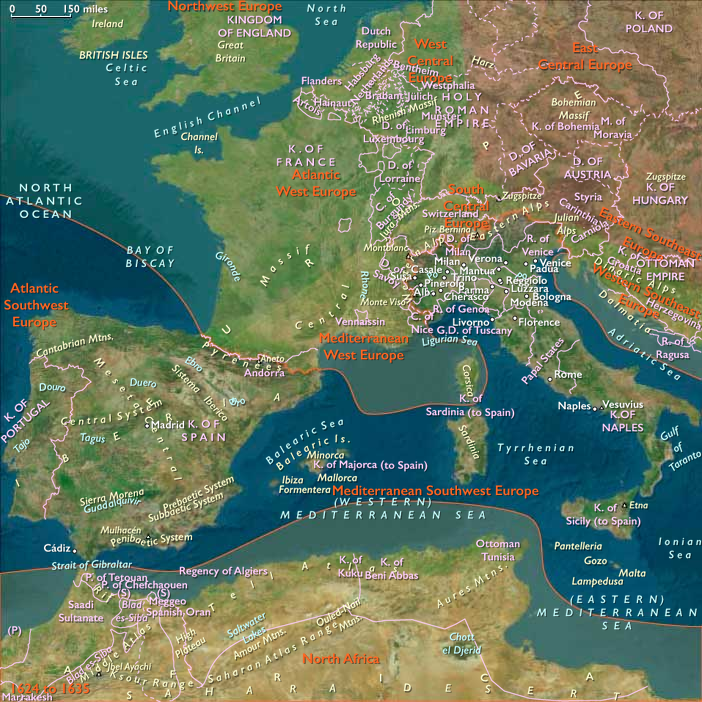
Subregions
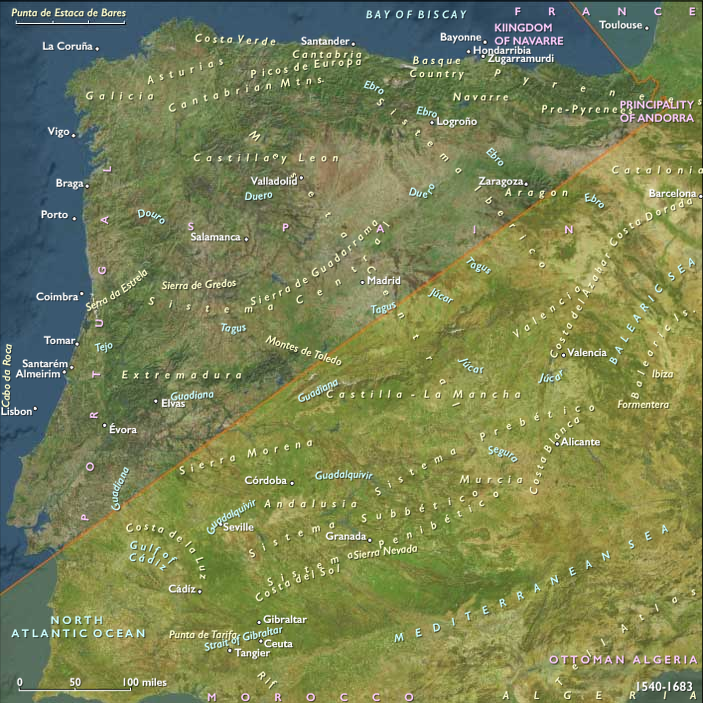
Years: 1624 - 1635
People
Groups
- Galicia, Kingdom of
- Portuguese people
- Basque people
- Christians, Roman Catholic
- Galicians
- Portugal, Avizan (Joannine) Kingdom of
- Asturias, Principality of
- Portuguese Empire
- Ottoman Empire
- Portuguese Gold Coast
- Inquisition, Spanish
- England, (Tudor) Kingdom of
- Christians, New
- Marranos
- Portuguese Mozambique
- Portuguese Malacca
- Spaniards (Latins)
- Spain, Habsburg Kingdom of
- Protestantism
- Inquisition, Portuguese
- Morocco, Sa'di Sharifate of
- Brazil, Colonial
- Spain, Habsburg Kingdom of
- Iberian Union
Topics
- Colonization of the Americas, Portuguese
- Renaissance, Portuguese
- Renaissance, Spanish
- Colonization of the Americas, Spanish
- Colonization of Asia, Portuguese
- Colonization of Asia, Spanish
- Counter-Reformation (also Catholic Reformation or Catholic Revival)
- Eighty Years War (Netherlands, or Dutch, War of Independence)
- Thirty Years' War
Commodoties
Subjects
Regions
Subregions