Atlantic Southwest Europe (1768–1779): Reform, Recovery, and…
1768 CE to 1779 CE
Atlantic Southwest Europe (1768–1779): Reform, Recovery, and Enlightened Ambitions
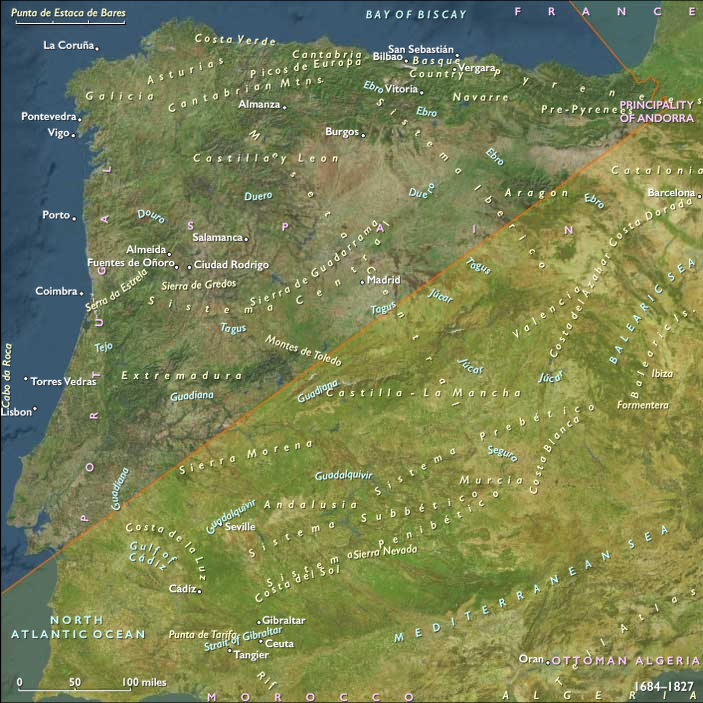
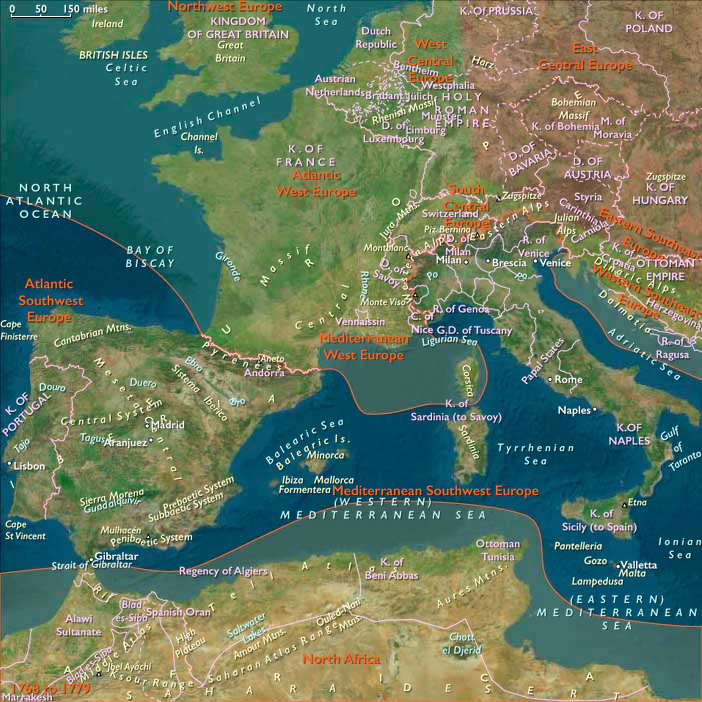
From 1768 to 1779, Atlantic Southwest Europe—including northern and central Portugal (with Lisbon), Galicia, Asturias, Cantabria, northern León and Castile, northern Navarre, northern Rioja, and the Basque Country—underwent notable recovery and transformation. This era saw the profound influence of Enlightenment reforms, significant economic revitalization, infrastructural advancements, and a growing assertion of regional identities within the broader context of Iberian politics. The legacies of the catastrophic Lisbon earthquake continued to shape Portuguese governance, while Spain implemented ambitious reforms under enlightened monarchs, fostering economic expansion and cultural renewal.
Political and Military Developments
Portuguese Recovery and Pombaline Reforms
-
Under King José I (r.1750–1777), Portugal continued to recover from the devastating 1755 earthquake. The influential minister, Sebastião José de Carvalho e Melo (Marquis of Pombal), extended his centralized reforms, promoting commercial modernization, administrative efficiency, and urban reconstruction, especially evident in Lisbon’s ongoing revitalization.
-
Pombal’s rigorous administrative and economic policies greatly enhanced royal authority but sparked opposition among traditional elites and clergy, tensions especially pronounced in northern cities such as Porto and Braga.
Spain under Enlightened Despotism
-
Under King Charles III (r.1759–1788), Spain pursued enlightened absolutist reforms aimed at modernization. Northern Spanish provinces such as Galicia, Asturias, Cantabria, and the Basque territories benefited from improved infrastructure, increased trade freedoms, and the reform of outdated institutions.
-
The Basque Country and northern Navarre continued to preserve local autonomy through fueros, carefully balancing their traditional privileges with selective cooperation in royal reform initiatives.
Economic Developments: Commercial Revival and Expansion
Portuguese Commercial Revitalization
-
Lisbon and Porto recovered significantly from earlier disruptions, supported by enhanced trade networks, especially with Brazil and British markets. Port wine exports surged, bolstering prosperity in the Douro Valley and Porto.
-
Pombaline economic policies fostered new manufacturing initiatives, including textiles, ceramics, and glass production, aimed at reducing dependence on imported goods, especially from Britain.
Basque and Cantabrian Economic Strength
-
Bilbao’s maritime commerce and iron industry continued to expand, driven by strong European demand. Basque shipyards produced high-quality vessels, contributing significantly to Spain’s naval capabilities and Atlantic commerce.
-
Cantabria, particularly Santander, experienced commercial prosperity through maritime trade, fisheries, and expanded trade routes connecting northern Iberia with European and American markets.
Galician and Asturian Rural Recovery
-
Galicia and Asturias saw renewed investment in agriculture, fishing, and localized manufacturing, notably textiles and food processing, improving rural livelihoods and slowing outmigration from these areas.
Religious and Cultural Developments
Enlightenment and Education
-
Enlightenment ideals profoundly influenced educational reform, with the University of Coimbra (Portugal) and Spanish institutions in Valladolid and Santiago de Compostela expanding scientific, philosophical, and secular studies, although carefully balanced with continued Catholic orthodoxy.
-
Jesuit expulsions (from Portugal in 1759 and Spain in 1767) transformed education and religious life significantly, as their absence altered intellectual networks, reshaped local education, and intensified state control over cultural and religious affairs.
Baroque to Neoclassical Cultural Transition
-
Architectural and artistic expressions transitioned from Baroque to Neoclassicism, prominently evident in Lisbon’s reconstruction projects and regional urban planning in Porto, Santander, and Bilbao.
-
In northern Spain, neoclassical aesthetics emerged in civic and religious architecture, aligning with Enlightenment values emphasizing rationalism, symmetry, and civic virtue.
Social and Urban Developments
Urban Renewal and Infrastructure
-
Lisbon continued ambitious reconstruction efforts, exemplified by the Baixa Pombalina, an urban layout symbolizing Enlightenment rationality and state control.
-
Porto’s infrastructure significantly improved, marked by better streets, public buildings, and enhanced port facilities, reflecting increased commerce and administrative efficiency.
-
Bilbao and Santander witnessed extensive urban development projects, including new docks, warehouses, public squares, and civic institutions, transforming their urban landscapes into dynamic commercial hubs.
Regional Identities and Social Tensions
-
Tensions between centralized royal authorities and regional autonomy persisted, particularly in the Basque provinces and northern Navarre, where fueros provided a crucial institutional framework resisting excessive centralization.
-
In northern Portugal, social tensions emerged due to Pombal’s reformist policies, as traditional rural and urban elites, particularly the aristocracy and clergy, opposed his centralizing and secularizing measures.
Legacy and Significance
The period 1768–1779 profoundly shaped Atlantic Southwest Europe through enlightened governance, economic revitalization, and cultural modernization. Portugal’s recovery under Pombal’s reforms fostered administrative efficiency and commercial expansion, despite ongoing resistance. Spain's enlightened reforms under Charles III significantly improved regional infrastructure and trade networks, enhancing economic prosperity. Regional identities and local autonomy remained strong forces, contributing to ongoing tensions but also preserving distinctive regional traditions and governance structures. Overall, this era set the foundation for significant political, social, and economic developments, influencing the trajectory of Atlantic Southwest Europe toward modernity.
People
Groups
Topics
Commodities
Subjects
Regions
Southwest Europe
View →Subregions