Atlantic Southwest Europe (40–51 CE): Provincial Flourishing,…
40 CE to 51 CE
Atlantic Southwest Europe (40–51 CE): Provincial Flourishing, Economic Expansion, and Cultural Integration
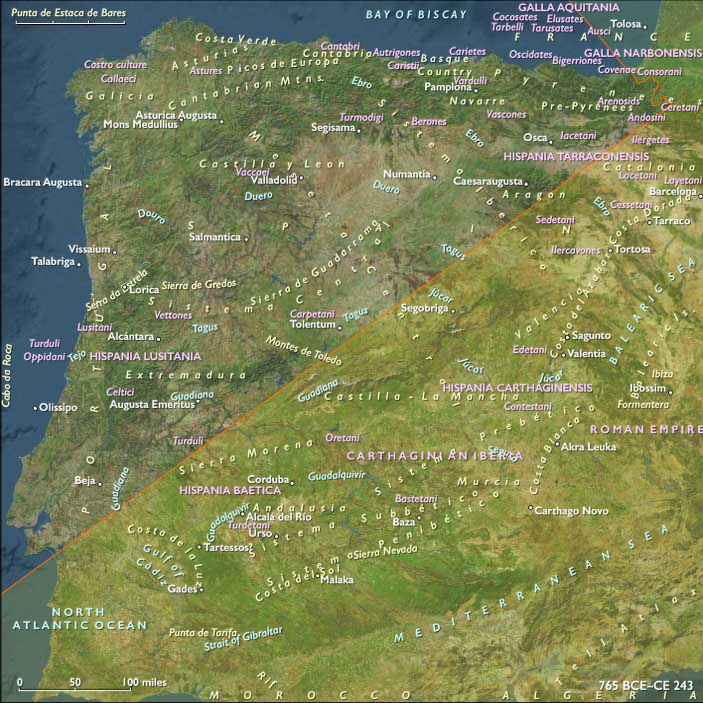
Between 40 and 51 CE, Atlantic Southwest Europe—covering northern and central Portugal, Galicia, Asturias, Cantabria, and northern Spain south of the Franco-Spanish border (43.05548° N, 1.22924° W)—experienced sustained political stability, economic expansion, and cultural integration under Roman imperial rule. During the reigns of Caligula and Claudius, the region further integrated into Mediterranean economic networks, deepened its reliance on slavery, and witnessed significant cultural synthesis between indigenous traditions and Roman influences. Local tribal identities remained robust, adapting creatively within a firmly established provincial framework.
Political and Military Developments
Stability under Established Roman Provincial Administration
-
Under emperors Caligula and Claudius, Atlantic Southwest Europe enjoyed continued stability and prosperity due to well-established provincial governance structures. Effective administration supported by permanent military garrisons, fortified towns, and robust infrastructure maintained peace, facilitating economic growth and social cohesion.
-
Local tribal elites remained deeply integrated into the provincial administrative system, actively supporting Roman governance and ensuring internal stability.
Further Integration and Stability of Northern Tribes
-
Northern tribes, particularly the Gallaeci, Astures, and Cantabri, maintained peaceful relations with Rome, fully integrated into provincial governance and benefiting economically and socially from cooperation.
-
The Vascones continued their successful diplomatic neutrality, effectively preserving territorial autonomy, cultural distinctiveness, and internal stability within the provincial framework.
Economic and Technological Developments
Peak Economic Prosperity and Mediterranean Trade Integration
-
The regional economy experienced significant expansion and prosperity through deepened integration into Mediterranean trade networks. Atlantic Southwest Europe supplied metals (silver, copper, tin), agricultural goods, timber, salt, livestock products, textiles, and especially slaves to Mediterranean markets. Imports of luxury items, fine ceramics, wine, olive oil, and advanced iron products further stimulated regional prosperity.
-
Provincial elites and urban centers economically benefited substantially, reinforcing regional social stratification, economic specialization, and dependency on Mediterranean commerce.
Continued Centrality of Slavery
-
Slavery remained fundamental to regional economies, extensively employed in mining operations, agriculture, artisanal crafts, domestic services, and urban construction projects. The robust slave trade further embedded slavery within regional economic structures, profoundly influencing social hierarchies.
Ongoing Technological Advancements and Infrastructure Expansion
-
Continued advancements in metallurgy, especially ironworking, significantly enhanced agricultural productivity, military capability, and artisanal production. Skilled local artisans produced sophisticated weapons, armor, agricultural implements, and decorative objects, blending local traditions with Roman technological influences.
-
Roman infrastructure, including expansive road networks, aqueducts, fortified towns, urban centers, and bridges, facilitated further economic growth, administrative efficiency, and regional stability.
Cultural and Religious Developments
Cultural Resilience and Artistic Integration
-
Material culture exhibited continued integration of indigenous Iberian traditions, Celtic influences, and strong Roman artistic styles. Elaborate metalwork, jewelry, pottery, ceremonial artifacts, and household objects demonstrated ongoing cultural vitality and regional pride.
-
Despite firm Roman provincial authority, local tribal cultures—particularly among Lusitanians, Gallaeci, Astures, Cantabri, and Vascones—remained robust, creatively adapting within the integrated Roman context.
Ritual Continuity and Religious Adaptations
-
Ritual practices persisted, integrating indigenous Iberian, Celtic, and Roman traditions. Prominent sacred sites, sanctuaries, and communal ceremonies continued actively, reinforcing communal cohesion, cultural continuity, and tribal identities.
-
Traditional ancestral rites, warrior ceremonies, and local festivals continued actively, preserving regional solidarity, identity, and cultural resilience under stable Roman administration.
Notable Tribal Groups and Settlements
-
Lusitanians: Continued benefiting economically and culturally under stable Roman provincial administration, with sustained local prosperity and internal stability.
-
Vettones and Vaccaei: Maintained local autonomy, economic prosperity, and territorial integrity through strategic diplomatic cooperation with Roman authorities.
-
Gallaeci, Astures, Cantabri: Fully integrated into provincial governance, maintaining local traditions, cultural identities, and economic prosperity.
-
Vascones: Effectively preserved diplomatic neutrality, territorial autonomy, cultural distinctiveness, and internal stability within provincial administration.
Long-Term Significance and Legacy
Between 40 and 51 CE, Atlantic Southwest Europe:
-
Reinforced sustained Roman provincial stability, ensuring enduring political, economic, and social prosperity throughout the region.
-
Achieved peak economic integration with Mediterranean trade networks, solidifying the role of slavery as a foundational economic institution.
-
Demonstrated resilient cultural identities and traditions, dynamically adapting indigenous cultures within the stable, integrated Roman provincial framework.
This period further solidified Atlantic Southwest Europe's position as a thriving, economically prosperous, culturally resilient region, significantly shaping its historical trajectory within the broader Roman Empire.
People
Groups
Commodities
Subjects
Regions
Southwest Europe
View →Subregions