
Atlantic Southwest Europe (177–166 BCE): Growing Roman …
Years: 177BCE - 166BCE
Atlantic Southwest Europe (177–166 BCE): Growing Roman Pressure, Tribal Resistance, and Economic Integration
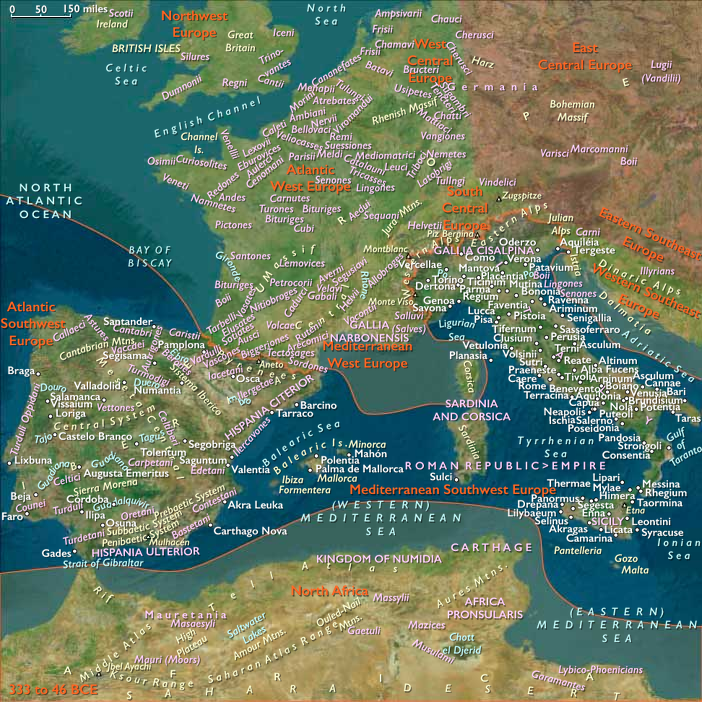
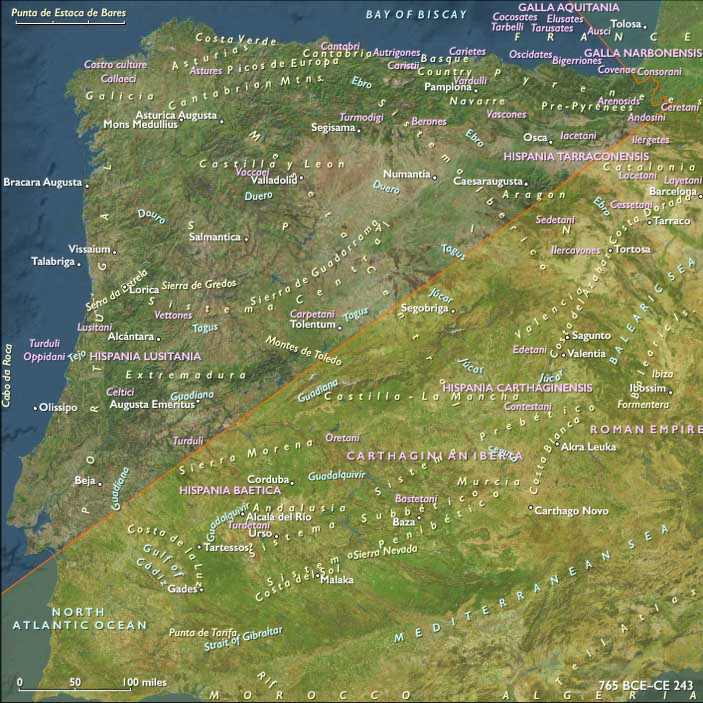
Between 177 and 166 BCE, Atlantic Southwest Europe—comprising northern and central Portugal, Galicia, Asturias, Cantabria, and northern Spain (south of the Franco-Spanish border at 43.05548° N, 1.22924° W)—experienced intensified Roman diplomatic and military pressures, increasing local tribal resistance, deeper economic integration into Mediterranean trade networks, and continued reliance on slavery within tribal economies. These dynamics heightened tensions, accelerated societal complexity, and clearly foreshadowed the region’s eventual incorporation into the expanding Roman sphere.
Political and Military Developments
Increased Roman Pressure and Diplomatic Influence
-
Rome continued consolidating territorial control in southern and eastern Iberia (Hispania Citerior and Ulterior), placing diplomatic and economic pressure on Atlantic Southwest European tribes.
-
Roman diplomatic missions sought alliances or treaties with border tribes, aiming to secure peaceful relations, expand trade, and isolate resistant groups such as the Lusitanians and Vettones.
Tribal Resistance and Militarization
-
Tribes like the Lusitanians, Gallaeci, Astures, Cantabri, and interior tribes like the Vettones and Vaccaei strengthened military defenses and social organization in anticipation of potential Roman incursions.
-
The Vascones reinforced territorial autonomy, maintaining a strategic stance toward Roman diplomacy and preserving their distinct cultural identity.
Economic and Technological Developments
Deepening Mediterranean Economic Integration
-
Mediterranean trade significantly expanded, driven by growing Roman economic interests. Tribes actively exchanged metals (silver, copper, tin), salt, grain, wool, timber, and particularly captive slaves with Mediterranean merchants, importing wine, oil, iron products, ceramics, and luxury goods.
-
Tribal elites notably profited from these exchanges, increasing social stratification and wealth concentration.
Slave Economy and Labor Specialization
-
Slavery remained integral to tribal economies, increasingly institutionalized and employed extensively in agriculture, mining operations, domestic service, and artisanal production.
-
Tribes intensified participation in Mediterranean slave markets, reinforcing local economic structures and trade dependencies.
Advances in Iron Metallurgy
-
Technological progress in ironworking continued, significantly enhancing agriculture, artisanal craft, and warfare, facilitating regional economic growth and defensive preparedness.
-
Metallurgical expertise among tribes such as the Lusitanians, Gallaeci, and Vascones produced sophisticated weapons and decorative objects, reflecting indigenous styles alongside Roman and Mediterranean influences.
Cultural and Religious Developments
Cultural Fusion and Distinctiveness
-
Artistic and material culture further synthesized Celtic, indigenous Iberian, and emerging Roman influences, evident in metalwork, pottery designs, ceremonial artifacts, and decorative jewelry, underscoring cultural interactions and complexities.
-
Distinct tribal identities intensified, clearly defining groups such as the Lusitanians, Gallaeci, Vascones, Astures, and Cantabri.
Elaborate Ritual Practices and Religious Structures
-
Tribal religious practices evolved with growing complexity, blending indigenous traditions, Celtic influences, and elements derived from increasing Mediterranean contacts.
-
Major ceremonial sites, hilltop sanctuaries, and sacred landscapes became central to reinforcing tribal cohesion and spiritual identity, particularly among the Lusitanians, Vascones, and Gallaeci.
Notable Tribal Groups and Settlements
-
Lusitanians: Continued consolidating fortified settlements and military strength, preparing actively against potential Roman expansion.
-
Vascones: Maintained distinctive cultural autonomy and territorial integrity near the Pyrenees, actively navigating emerging Roman diplomatic pressures.
-
Gallaeci, Astures, Cantabri: Enhanced military capabilities and regional influence, fortifying settlements against anticipated Roman encroachment.
-
Vettones and Vaccaei: Expanded strategic alliances, enhancing regional economic strength and tribal solidarity, anticipating conflicts with Roman-allied groups.
Long-Term Significance and Legacy
Between 177 and 166 BCE, Atlantic Southwest Europe:
-
Experienced deepening regional tensions resulting from increasing Roman diplomatic, economic, and military pressures, setting the stage for future armed conflicts and confrontations.
-
Strengthened local resistance, social cohesion, and tribal militarization, particularly among Lusitanians, Gallaeci, and Vascones.
-
Became economically intertwined with the Mediterranean world, significantly reinforcing trade networks and social structures reliant upon extensive slave labor.
This era critically shaped regional trajectories, laying foundations for complex tribal-Roman interactions, future resistance movements, and eventual integration into Roman Hispania.
Groups
- Polytheism (“paganism”)
- Iberians
- Sicily, classical
- Celts
- Carthage, Kingdom of
- Lusitanians, or Lusitani
- Celtiberians
- Roman Republic
- La Tène culture
- Vettones
- Caristii
- Gallaeci
- Vaccaei
- Cantabri (Celtic tribe)
- Astures (Celtic tribe)
- Autrigones
- Berones
- Varduli
- Turmodigi
- Turduli Oppidani
- Celtici
- Sicilia (Roman province)
- Hispania Citerior (region of Hispania)
- Hispania Ulterior (region of Hispania)
Topics
Commodoties
- Weapons
- Domestic animals
- Oils, gums, resins, and waxes
- Grains and produce
- Fibers
- Ceramics
- Strategic metals
- Salt
- Slaves
- Beer, wine, and spirits
- Lumber
Subjects
- Commerce
- Language
- Labor and Service
- Decorative arts
- Conflict
- Faith
- Government
- Custom and Law
- Technology
Regions
Subregions
Related Events
Showing 10 events out of 63293 total
Years: 177BCE - 166BCE
Groups
- Polytheism (“paganism”)
- Iberians
- Sicily, classical
- Celts
- Carthage, Kingdom of
- Lusitanians, or Lusitani
- Celtiberians
- Roman Republic
- La Tène culture
- Vettones
- Caristii
- Gallaeci
- Vaccaei
- Cantabri (Celtic tribe)
- Astures (Celtic tribe)
- Autrigones
- Berones
- Varduli
- Turmodigi
- Turduli Oppidani
- Celtici
- Sicilia (Roman province)
- Hispania Citerior (region of Hispania)
- Hispania Ulterior (region of Hispania)
Topics
Commodoties
- Weapons
- Domestic animals
- Oils, gums, resins, and waxes
- Grains and produce
- Fibers
- Ceramics
- Strategic metals
- Salt
- Slaves
- Beer, wine, and spirits
- Lumber
Subjects
- Commerce
- Language
- Labor and Service
- Decorative arts
- Conflict
- Faith
- Government
- Custom and Law
- Technology
Regions
Subregions