Atlantic West Europe: 112–123 The period from…
112 CE to 123 CE
Atlantic West Europe: 112–123
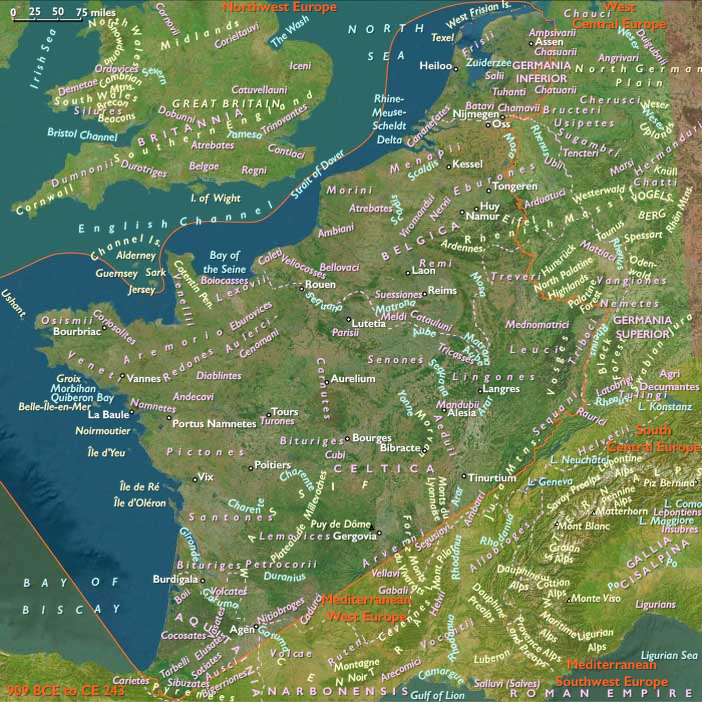
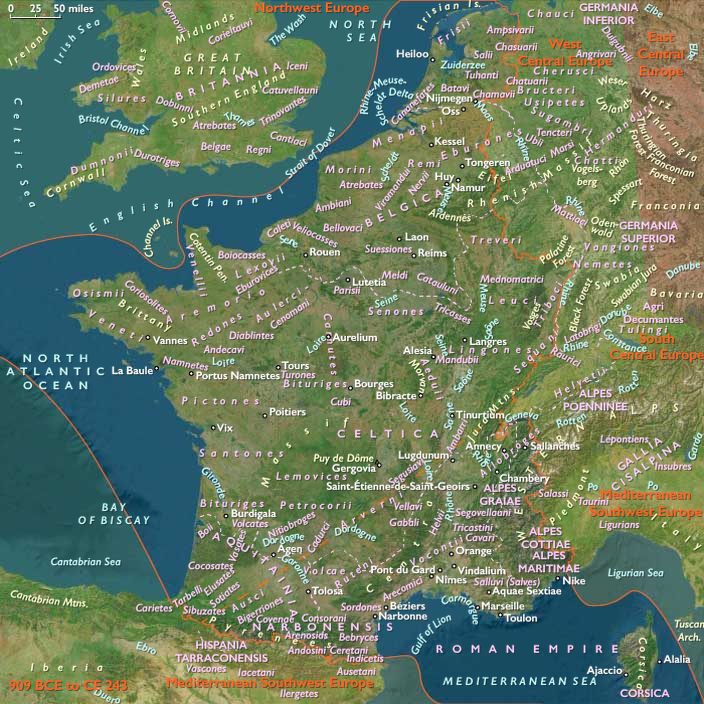
The period from 112 to 123 CE in Atlantic West Europe—covering Roman Gaul from Aquitaine and the Atlantic and Channel coasts through central France, Alsace, and the Low Countries—was marked by continued economic prosperity, urban expansion, and peaceful governance under the later years of Emperor Trajan (r. 98–117) and the early rule of his successor, Hadrian (r. 117–138).
Political and Military Developments
-
Trajan’s rule concluded in 117 CE, transitioning smoothly to Hadrian, who maintained a stable and effective imperial administration.
-
Atlantic West Europe remained peaceful and secure, with no significant military disruptions or rebellions recorded during this period.
-
Under Hadrian, emphasis shifted from territorial expansion toward consolidating and fortifying existing frontiers, indirectly benefiting Gaul through continued stability.
Economic Developments
-
Economic prosperity was sustained, supported by stable governance, effective infrastructure, and secure trade routes.
-
Trade in wine, grain, pottery, textiles, and precious metals continued to flourish, bolstering wealth in urban centers like Bordeaux (Burdigala), Lyon (Lugdunum), and Autun (Augustodunum).
-
Improved and maintained Roman roads facilitated trade and transportation networks, connecting Atlantic West Europe efficiently to Rome and the broader Mediterranean region.
Urbanization and Infrastructure
-
Cities expanded in size and population, fostering vibrant urban life. Notable developments included improvements to amphitheaters, temples, and baths.
-
Under Hadrian’s policies, increased focus on infrastructure maintenance rather than new conquest meant existing civic amenities and public buildings were enhanced and renovated, contributing to long-term urban sustainability.
Cultural and Religious Life
-
Continued cultural integration with Rome; Latin and Roman customs firmly entrenched in urban life, administration, and education.
-
Religious practices maintained a synthesis of Roman and native Celtic traditions, reflecting regional diversity yet common allegiance to Roman authority.
Long-term Significance
This period cemented the prosperity and urban stability of Atlantic West Europe. Hadrian's governance prioritized internal stability and infrastructure development, reinforcing the economic, cultural, and political foundations laid in preceding decades. These continued developments underpinned the region’s long-term integration into the Roman imperial system.
People
Groups
Commodities
Regions
West Europe
View →Subregions